




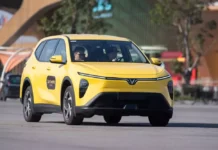
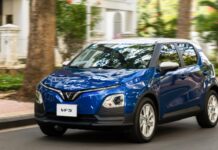
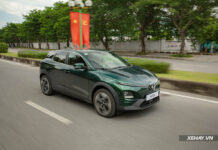
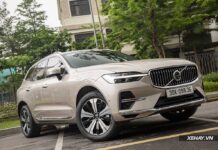












The Czech automotive brand is positioning Vietnam as a new regional manufacturing hub, particularly in the electric vehicle (EV) sector, which is projected to boom in the coming decade.
Electric Vehicle Assembly Starting in 2026
According to the Ministry of Industry and Trade, the Skoda plant, owned by Volkswagen Group, officially commenced operations in Q1 2025. Initially, the Quang Ninh facility focuses on assembling internal combustion engine vehicles. However, Asia Nikkei reports that Skoda is preparing to invest in an EV production line and EV component manufacturing from 2026, aiming to increase localization to reduce reliance on imported parts.
During a recent visit, Minister Nguyen Hong Dien and the Lao Minister of Industry and Trade praised Skoda’s expansion plans. This highlights that the Vietnam plant will not only serve domestic demand but also act as an export gateway to markets like Laos and neighboring countries.
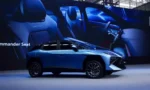
Skoda representatives stated that the company is evaluating the production and launch of two EV models, Enyaq and Elroq, in Vietnam from 2026. While the timeline remains unconfirmed, the plant expansion underscores Skoda’s long-term vision for Vietnam’s rapidly growing EV market.
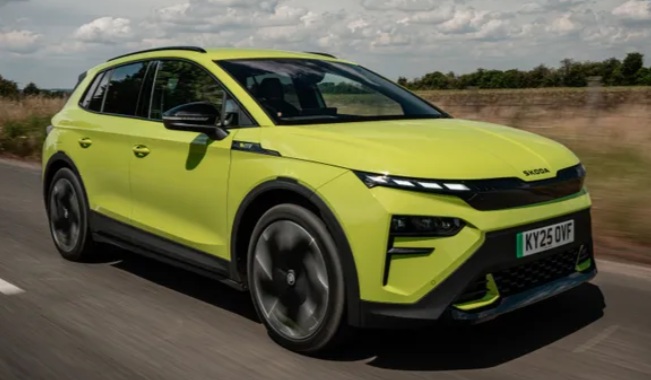
Currently, only a few foreign brands, such as BYD and Chery, have announced EV production plans in Vietnam. Skoda’s early move could give it a competitive edge, especially as VinFast dominates the market and drives significant EV demand.
In the first nine months of 2025, VinFast sold 103,884 electric vehicles, far outpacing brands like Toyota, Hyundai, Ford, and KIA. This indicates a faster-than-expected market shift, pressuring international automakers to act decisively.
Vietnam: A New Link in Volkswagen’s Supply Chain
Experts attribute Skoda and Volkswagen’s choice of Vietnam to three factors: lower production costs compared to hubs like Thailand and Indonesia; robust tax and land incentives; and a strategic location for exporting to Laos, Cambodia, Myanmar, and other ASEAN markets.
The Skoda plant in Quang Ninh benefits from significant investment incentives, including reduced import taxes, sales taxes, and related levies. These advantages make Vietnam an attractive destination for foreign manufacturers.
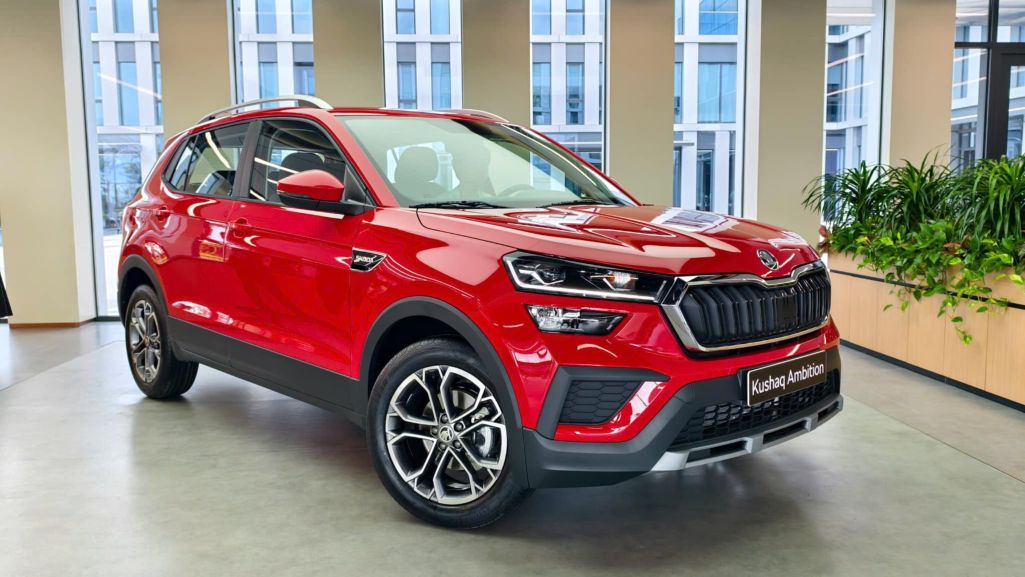
In Vietnam, Skoda currently assembles two gasoline models, Slavia and Kushaq, for the domestic market and plans to expand to neighboring countries. The 2026 EV production line will diversify its portfolio, reducing dependence on gasoline vehicles amid the global green transition.
This move also enhances Skoda’s component autonomy, mitigating risks like chip shortages or supply chain disruptions, which plagued the industry post-COVID.
Alongside Skoda, Chinese brands are ramping up EV production in Vietnam. The Chery-Geleximco joint venture has secured an $800 million investment approval for an EV plant in Hung Yen, with production lines for Omoda and Jaecoo underway.
Skoda’s entry presents both opportunities and challenges, as competition in the EV manufacturing sector intensifies. With Volkswagen’s backing, Vietnam is poised to become a critical link in the regional and global EV production network.
TH (Tuoitrethudo)
Volkswagen Eyes Southeast Asian Market with China-Made Vehicles
This information was confirmed by Thomas Ulbrich, Chief Technology Officer of Volkswagen Group China, in an interview with the Financial Times.
Omoda O4 Launching in Vietnam: Lamborghini Urus-Inspired Design, Four Engine Options
The Omoda O4 is set to dominate the Vietnamese market as a versatile C-segment SUV, offering four distinct variants: petrol, hybrid, plug-in hybrid, and fully electric.
“Coffee King” Đặng Lê Nguyên Vũ Hits the Streets in Vintage Toyota Celica

“Coffee King” Dang Le Nguyen Vu recently turned heads as he cruised the streets in a classic Toyota Celica. This iconic 2-door coupe is considered a rare gem in Vietnam, adding to the intrigue of his high-profile appearance.
Volkswagen Unveils Khanh Hoi Urban Store: A Global Standard Dealership in Ho Chi Minh City

Volkswagen Vietnam has officially launched its new dealership, Volkswagen Khanh Hoi, located at 384 Hoang Dieu Street, Khanh Hoi Ward, Ho Chi Minh City.
Unbelievable Deal: Premium License Plate 51B-888.88 Now Available for Just 3.26 Billion VND

At 3:30 PM on November 17th, the prestigious five-digit license plate 51B-888.88 from Ho Chi Minh City was listed for online auction by Vietnam Partnership Auction Company (VPA).