


















The Ministry of Industry and Trade has issued Circular 50/2025/TT-BCT, outlining a roadmap for blending biofuels with traditional petroleum fuels.
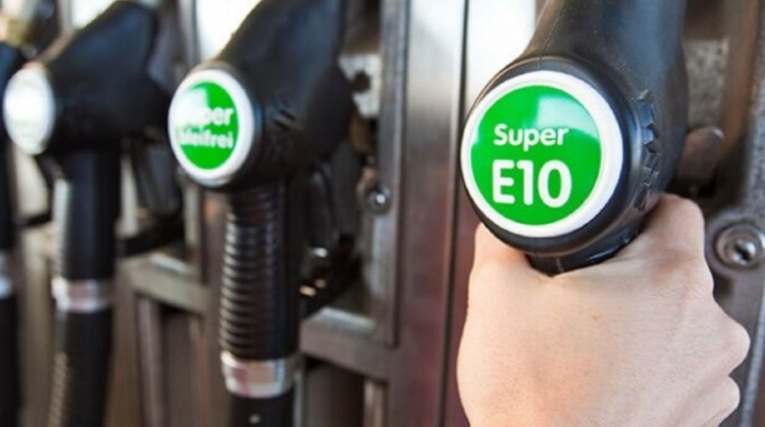
Effective June 1, 2026, all lead-free gasoline distributed in the market must be blended into E10 gasoline before being used nationwide.
Alongside E10, E5 RON92 gasoline will continue to be produced and sold until December 31, 2030. This marks a significant step in expanding biofuel usage, aiming to reduce emissions and enhance energy security.
Circular 50 details the blending ratios of biofuels with traditional fuels, along with the implementation timeline and usage guidelines for biofuel-powered gasoline engines. It applies to petroleum traders, organizations, and individuals involved in producing, importing, blending, and trading biofuels and bio-gasoline, as well as other relevant domestic entities.
According to the Circular, biofuels include fuel ethanol (E100), both denatured and undenatured, and biodiesel (B100). Traditional fuels encompass lead-free gasoline such as RON92, RON95, and other base gasolines, as well as diesel (DO) meeting technical standards.
Bio-gasoline is a blend of fuel ethanol and base gasoline, including E5 RON92 and E10. Blending bio-gasoline involves adding E100 to base gasoline at various ratios using in-tank, in-line, or other suitable methods.
Diesel B10 is a mixture of diesel and B100, containing 9% to 10% B100 by volume. Blending biodiesel involves adding B100 to diesel at various ratios using in-tank, in-line, or other suitable methods.
The Ministry of Industry and Trade stated that, based on economic, technical, price, and market demand fluctuations, the Minister may adjust blending ratios or introduce new gasoline types to ensure emission reduction, environmental protection, and energy security.