



























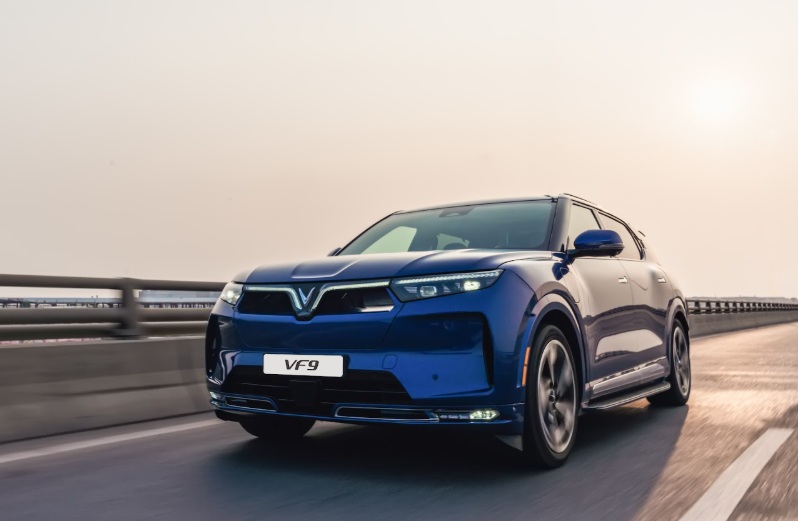
According to Reuters, VinFast is considering the addition of Range-Extended Electric Vehicle (REEV) technology to some of its models.
This solution utilizes a small gasoline engine to charge the battery, extending the vehicle’s range and reducing reliance on charging infrastructure.
A flexible approach to the “all-electric” strategy
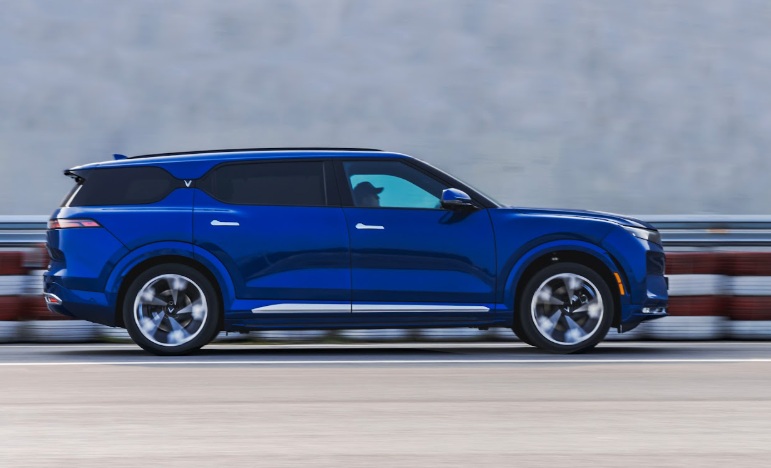
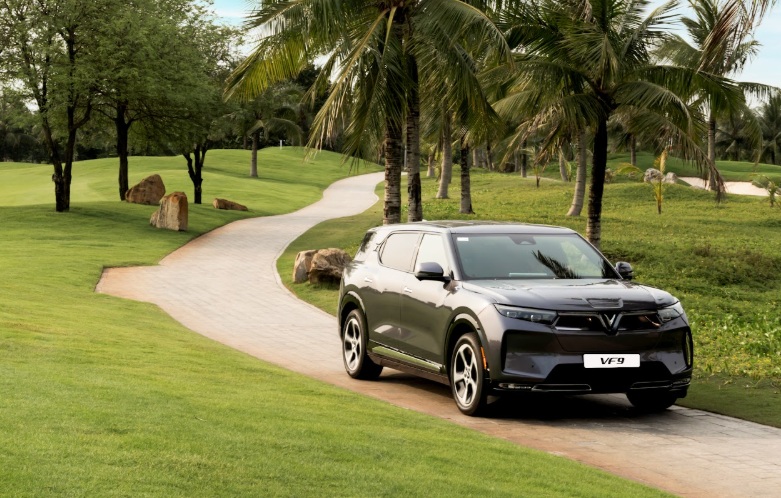
A dedicated team has been tasked since November with exploring the possibility of converting the large SUV VF 9 to a REEV configuration. Specifically, the vehicle would still operate on an electric motor but include a small gasoline engine acting solely as a generator to charge the battery when needed.
If implemented, this approach would make the VF 9 more suitable for markets with underdeveloped charging networks, addressing the common consumer concern of “range anxiety.” This remains one of the most significant barriers to electric vehicle adoption. Sources emphasize that the plan is still in the preliminary research phase.
Reuters noted that in November, VinFast posted at least three job listings on LinkedIn for REEV technology experts. This move indicates the Vietnamese automaker’s proactive search for technical solutions to diversify its product lineup, aiming to improve sales in international markets where pure electric vehicles face challenges due to inadequate infrastructure.
In response to Reuters’ report, a Vingroup representative stated that the company does not overlook any opportunity to research new products that meet market demands. However, they affirmed that the overall strategy remains unchanged, and any decisions will be announced only after thorough evaluation.
REEV – A global automotive industry trend
Range-Extended Electric Vehicles are becoming a trend during the transition period between gasoline and pure electric vehicles.
In China, companies like Li Auto and Leapmotor have commercialized several REEV models, achieving significant sales growth. Many traditional European and American automakers are also researching similar variants to maintain market share as pure electric vehicle sales plateau.
While REEVs are not entirely emission-free, their emissions are significantly lower than those of gasoline or plug-in hybrid vehicles (PHEVs). Many experts view this as a “reasonable stepping stone” for the green transition in markets where charging infrastructure is not yet fully developed.
Analysts suggest that VinFast’s consideration of REEVs reflects a more pragmatic approach, aimed at expanding customer options and enhancing market penetration in international markets with stringent technology and infrastructure requirements.
VinFast ceased gasoline vehicle production in 2022 and aims to sell only emission-free vehicles in key markets by 2035. If realized, the development of REEVs would be seen as a balanced solution between environmental commitments and commercial demands during the automotive industry’s transition phase.
VinFast Registers Copyright for Three New Vehicle Models

VinFast has officially filed registration documents for three new vehicle models with the Vietnam Intellectual Property Office, including one sedan and two SUVs, according to recently released data.
VinFast Sets New Record: Delivers Over 20,000 Vehicles in October 2025

On November 12, 2025, VinFast shattered domestic automotive records once again, delivering an impressive 20,380 electric vehicles (EVs) in October 2025 alone. This remarkable feat brings the total number of VinFast EVs sold nationwide to 124,264 units in the first 10 months of the year.
Win a VF 7 with Your VinFast Electric Motorbike Purchase

Experience the future of electric mobility with VinFast’s unprecedented customer appreciation program. Combined with irresistible financial incentives, VinFast is making its premium electric motorbikes more accessible than ever before.
VinFast Launches 350th Service Workshop – Now Boasting Vietnam’s Largest After-Sales Network

On November 29, 2025, VinFast proudly inaugurated its 350th automotive service and maintenance center in Tu Son, Bac Ninh.
VinFast on Track for Global Expansion, Reports CleanTechnica

Writing for CleanTechnica, journalist Raymond G. Tribdino observes that VinFast is undergoing a comprehensive transformation, marked by strategic investments and a shift in management mindset. The company is consistently raising standards and refining processes to drive its evolution forward.