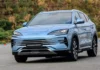


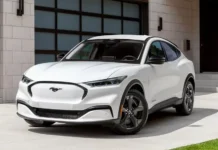
















Europe’s automotive market is witnessing a dramatic shift as BYD records remarkable growth in October 2025, starkly contrasting Tesla’s steep decline.
BYD Surges Ahead, Tesla Struggles
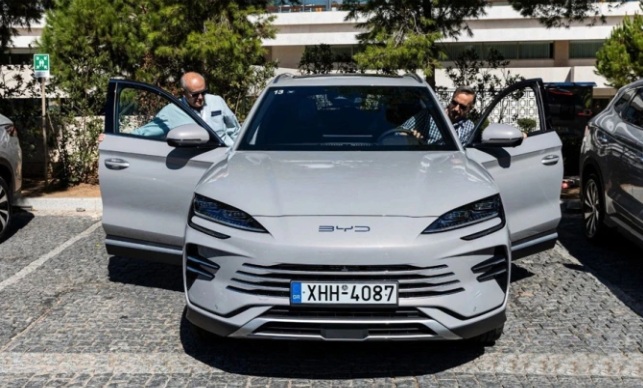
According to data from the European Automobile Manufacturers Association (ACEA), BYD delivered a total of 17,470 new vehicles in October 2025, marking a 206.8% increase compared to the same period last year. This growth is the most significant among all brands operating in the region.
In contrast, Tesla sold only 6,964 units in October 2025, a 48.5% drop from 2024. This performance places Tesla behind Porsche, which, despite a 26% sales decline, still managed to sell 7,653 units in the same month.
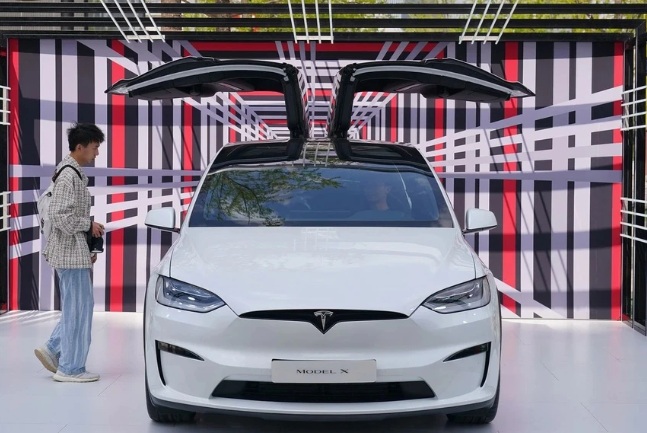
Tesla’s challenges aren’t limited to Europe; its U.S. sales in the first ten months of 2025 also dropped by 29.6%, totaling just 180,688 units. This trend highlights Tesla’s mounting pressure in its two key markets.
BYD’s sales nearly tripling those of Tesla in October signify a pivotal moment in Europe’s electric vehicle (EV) race. The gap between the two companies, representing distinct EV development strategies, is becoming increasingly pronounced.
Factors Driving BYD’s Growth
BYD’s success stems from a strategy tailored to European market demands. The company employs multiple synchronized approaches, creating a clear competitive edge.
Firstly, BYD offers a more diverse product portfolio than its competitors. Ranging from pure electric vehicles (BEVs) to hybrids (HEVs) and plug-in hybrids (PHEVs), this flexibility allows BYD to cater to a broader spectrum of customers with varying needs and budgets. Tesla, focusing solely on BEVs, has a narrower market reach.
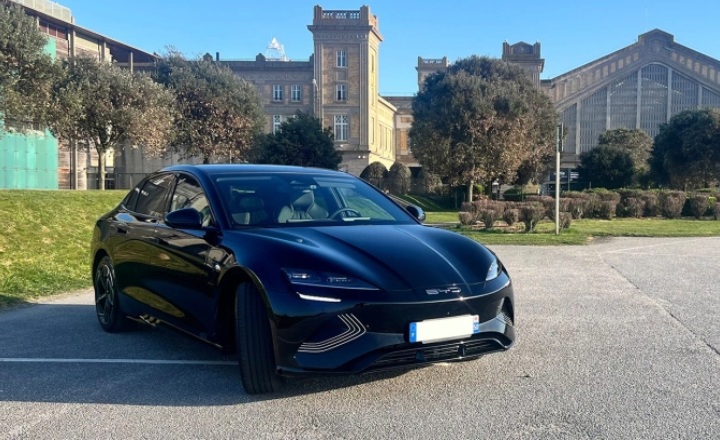
Additionally, BYD’s competitive pricing is a significant advantage. Amid rising living costs in Europe, BYD’s affordability, coupled with robust features, positions it favorably against Western competitors.
The company is also expanding its European network aggressively. Increasing dealerships, showrooms, and advancing factory construction plans reduce transportation costs and enhance market presence.
Market trends favor BYD as well. ACEA reports continued growth in BEV, HEV, and PHEV sales in October. Chinese brands account for approximately 6.8% of total new car sales, indicating strong demand for affordable models.
Tesla’s Struggles: Slow Innovation and Competitive Pressure
Tesla faces setbacks due to slowed product innovation. The Model 3 and Model Y, while still top sellers, no longer generate the excitement they did between 2020 and 2022.
Tesla’s pricing strategy has also lost its edge. Despite multiple price cuts, its vehicles remain more expensive than some Chinese competitors. Meanwhile, BYD and others continuously introduce new models with competitive pricing and configurations.

Tesla faces additional pressure from European and Korean automakers expanding their mid-range EV and hybrid offerings. Volkswagen, Hyundai, Kia, and Toyota are launching models tailored to mass-market needs—a segment Tesla has yet to enter.
These factors contribute to Tesla’s declining market share and weakened appeal in Europe during 2025.
Emerging Trends in Europe: Intensifying Competition
Europe’s market is entering a fiercely competitive phase among EV and hybrid manufacturers. Consumers prioritize low operating costs, reasonable pricing, and compatibility with the region’s uneven charging infrastructure.
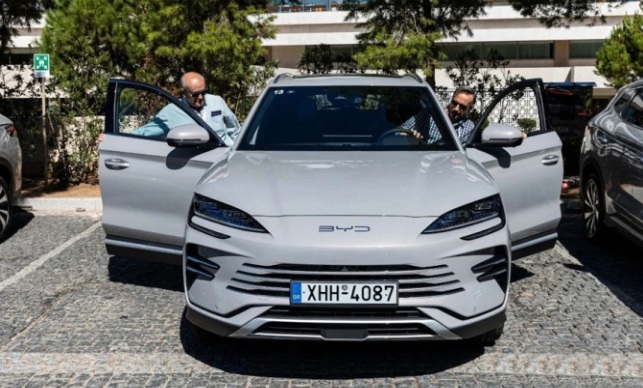
Pricing has become the most critical factor in vehicle selection. Brands with aggressive pricing strategies, like BYD, hold a significant advantage.
The rise of Chinese brands underscores a new reality: they are no longer market newcomers but direct competitors to established brands and prominent EV players like Tesla.
If this trend continues, Europe’s market will witness increasingly fierce competition, where advantages stem not only from technology but also from pricing, product diversity, and market adaptability.
BYD Reaches Milestone: 70,000th Vehicle Rolls Off the Assembly Line in Thailand

BYD’s manufacturing plant in Rayong, Thailand, has reached a significant milestone by rolling out its 70,000th vehicle, just over a year since its operations began.
“90-Degree Rotating Screen: A Gimmick Feature Set to Disappear from BYD Vehicles”

BYD’s decision to discontinue the rotating screen in its vehicles marks a pivotal shift toward a more streamlined and seamless interior technology experience.
BYD Officially Bids Farewell to the 90-Degree Rotating Screen

Recently, BYD confirmed the removal of the rotating feature from its central infotainment screen.
Indian Media: VinFast Wins Over Practical Consumers, Outshines Tesla in Competitive Edge

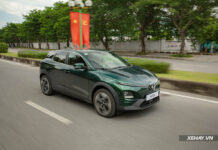
Indian media outlets attribute VinFast’s rise to its localized strategy and competitive pricing in India, contrasting with Tesla’s slower progress in one of the world’s fastest-growing electric vehicle markets.
BYD Surpasses Hyundai in Global Sales for the First Time
At this pace, BYD is poised to surpass Ford before the end of 2025, securing its place among the world’s top three automotive brands.