


















Vietnam stands at a pivotal crossroads in its transportation sector. Electric vehicles (EVs), once considered a distant future, have now become an urgent and tangible reality.
The year 2025 marks a significant leap in EV sales, setting new expectations for the automotive industry. However, rapid growth does not guarantee a smooth path ahead.
Market Overview: Strong Growth but Limited Adoption
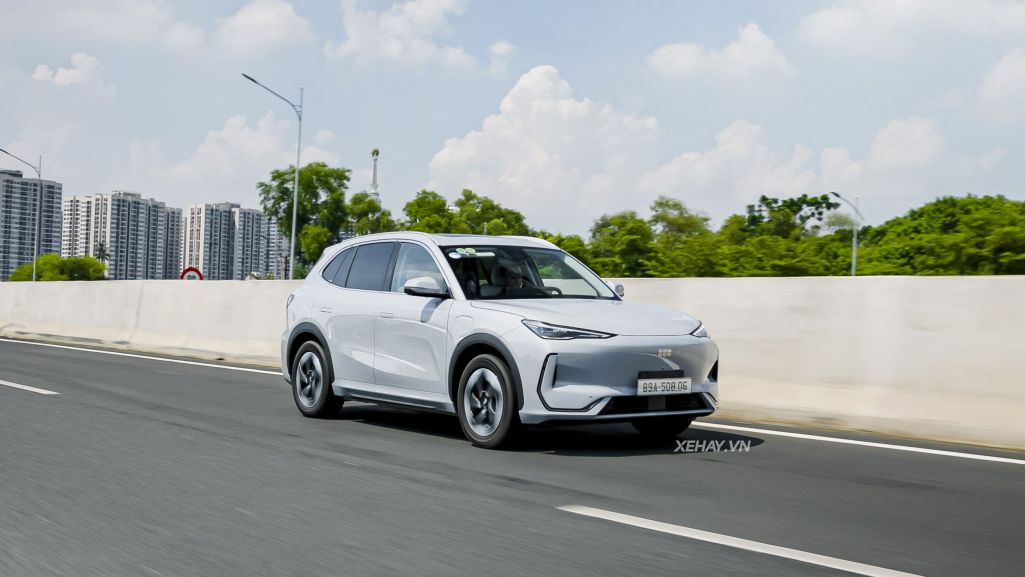
According to the latest reports, Vietnam’s electric vehicle market in 2025 is estimated at $3.12 billion, projected to reach $7.41 billion by 2030, maintaining a compound annual growth rate of nearly 19%.
Simultaneously, in the first eight months of 2025, Vietnam emerged as Southeast Asia’s second-largest EV market. Yet, EVs accounted for only 4.5% of total car sales in 2024. In the two-wheeler and commercial vehicle segments, growth is noticeable but insufficient to challenge the dominance of traditional vehicles.
VinFast – Leading the EV Wave
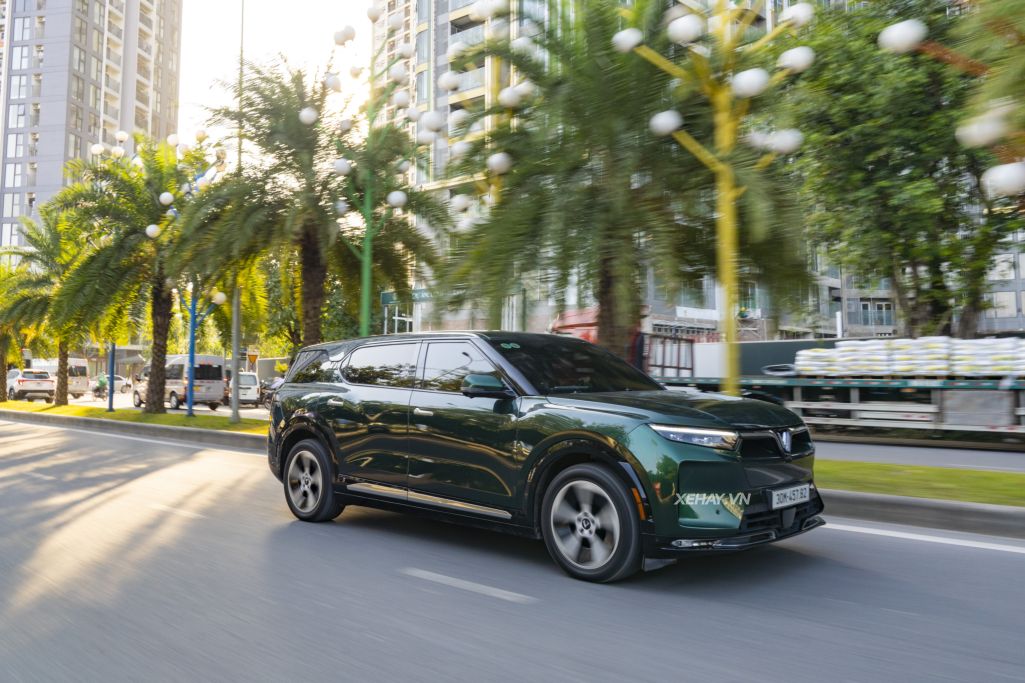
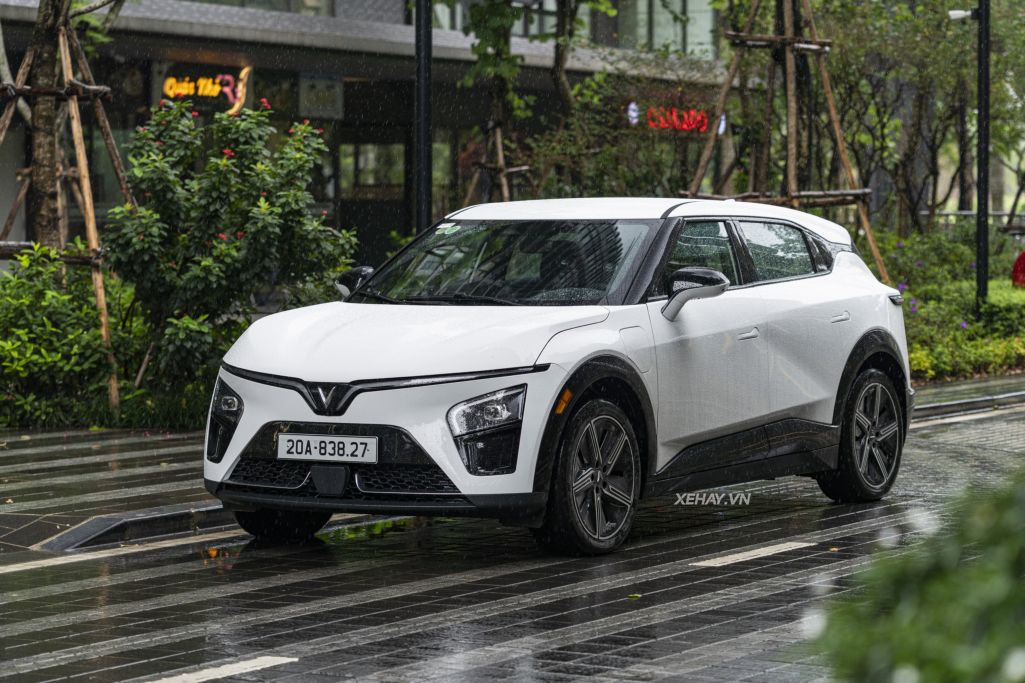
In October 2025, VinFast delivered 20,380 electric vehicles to customers. Since the beginning of the year, EV sales have surpassed 124,000 units. Compact models like the VF 3 and VF 5 are driving this momentum, catering to urban consumers seeking affordable personal transportation.
Government incentives, including tax breaks and emission reduction policies, have fueled EV market growth. Additionally, the prospect of restricting or banning gasoline vehicles in major cities has prompted consumers to switch to EVs to mitigate risks.
Forecast 2026 – 2030: Balancing Ambition with Reality
If current growth trends continue, Vietnam’s EV market could reach $7.4 billion by 2030, with EVs potentially accounting for over 20% of personal vehicles by the end of the decade.
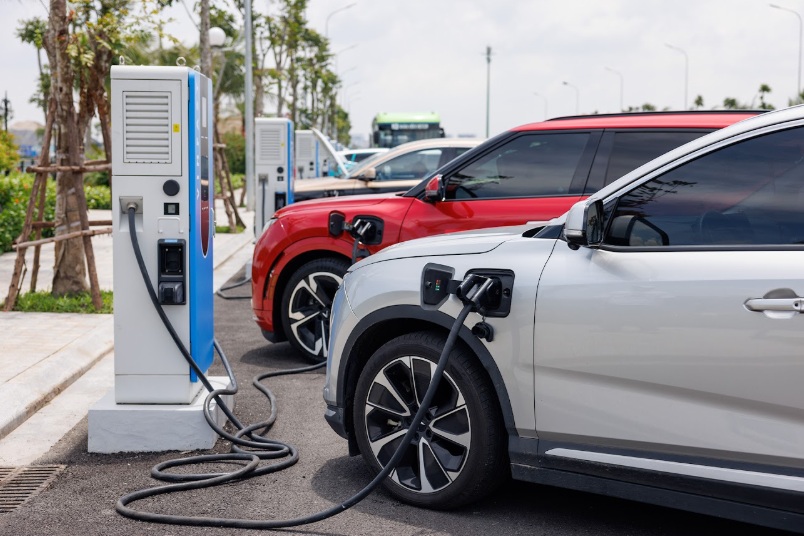
However, for EVs to achieve 20-30% of new car sales by 2030, a more comprehensive ecosystem is required. This includes rapid development of public and inter-provincial charging networks, standardization of charging technology, and reducing EV prices to align with the average Vietnamese income, making EVs a viable option for the majority.
Consumer trust is equally critical. The market needs transparent battery warranties, clear recycling systems, reliable after-sales service, and a well-organized second-hand EV market. A competitive landscape with multiple brands, rather than reliance on a single major player, will foster healthy competition, offering consumers more choices and better pricing.
If these conditions are met in the coming years, EVs capturing 30-35% of car sales by 2030 is achievable. Conversely, without addressing infrastructure, cost, and psychological barriers, EVs will grow but fall short of becoming the backbone of Vietnam’s automotive industry.
Will EVs Revolutionize or Remain a Trend?
The rise of electric vehicles in Vietnam reflects a broader shift in transportation, industry, and consumer behavior, not just a “green” trend.
For EVs to become mainstream and sustainable, the market needs more than impressive sales figures. Infrastructure, policies, technology, and consumer confidence must evolve in tandem. If these elements align, EVs could become the cornerstone of Vietnam’s future transportation. Otherwise, they may remain a niche trend rather than an integral part of daily life, as seen in developed nations.
Mitsubishi Destinator Surpasses 2,000 Orders in Just One Week of Launch in Vietnam

Just one week after its launch in Vietnam, the Mitsubishi Destinator has already garnered over 2,000 orders nationwide, proving its instant appeal and strong market demand.
Top Plug-in Hybrid Electric Vehicles (PHEVs) Available in Vietnam Today

In the transition to greener transportation, plug-in hybrid electric vehicles (PHEVs) are emerging as a balanced solution between traditional gasoline cars and fully electric vehicles.
Year-End Car Deals: Which Manufacturer’s Promotions Offer the Best Value for Buyers?

Toyota emerges as a formidable contender in the promotional race, unwavering in its commitment to solidify its position as Vietnam’s best-selling foreign car brand.
Toyota Hilux 2026 Launching in Vietnam Early Next Year, Starting at 596 Million VND

The 2026 Toyota Hilux has officially arrived in Australia, offering a diverse range of configurations priced from AUD 22,564 to AUD 71,990.
VinFast Limo Green to Debut New Name Upon International Launch

Having established a strong presence in Vietnam, VinFast is now expanding its reach internationally, with Indonesia as the first destination for its Limo Green model.