




















Two years ago, on November 30th, Tesla delivered the first 10 Cybertrucks to a select group of customers—primarily influencers, celebrities, and billionaires. The move was designed to generate buzz, and it succeeded.
Within a short period, Tesla received over 1 million pre-orders, leading Elon Musk to optimistically predict sales of 500,000 units annually. For a newly launched vehicle with a polarizing design, that expectation was sky-high.
Tesla Marks Two Years of Cybertruck, But Will It Survive to Year Three?
Admittedly, the excitement was palpable at launch, especially with Tesla promising remarkable performance and capabilities at a price comparable to the Model 3. It was Tesla’s most affordable vehicle. In November 2019, the Model 3 SR was priced at $39,490, while Tesla promised the Cybertruck RWD would only be $500 more. The dual-motor Model 3 LR AWD cost $48,490, compared to the Cybertruck AWD’s $49,900.
Despite these competitive prices, even Musk had second thoughts after the launch. In August 2020, he told Automotive News that if the Cybertruck’s design wasn’t well-received, he’d take the blame and build a conventional pickup truck instead.
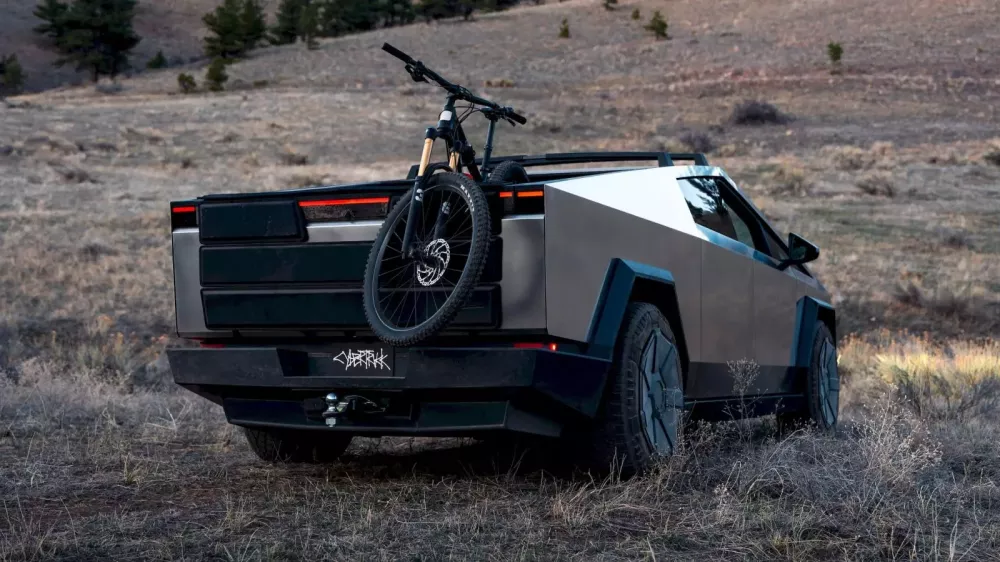
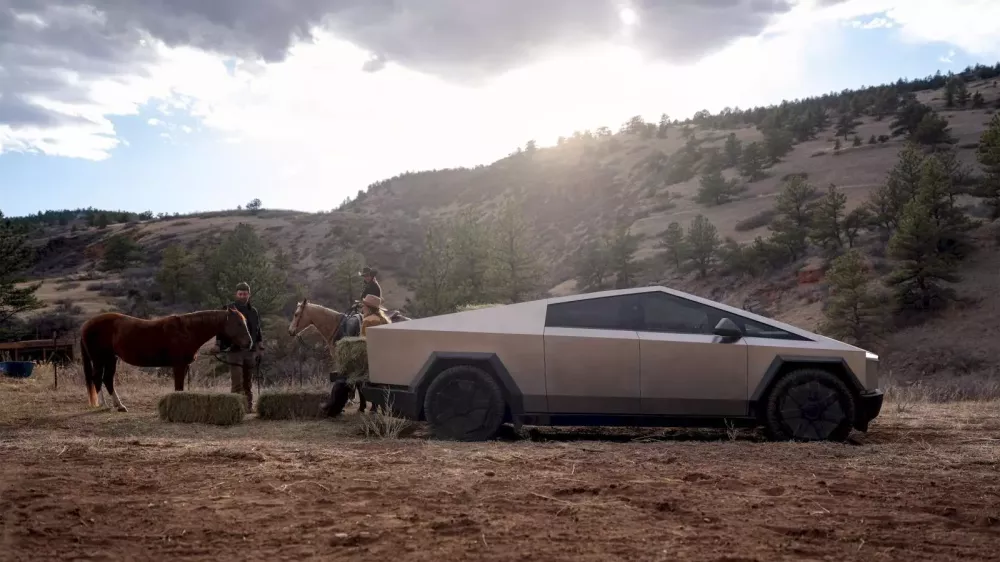
The ability to pre-order a Cybertruck for just $100—fully refundable—likely skewed Tesla’s calculations significantly. Additionally, the triangular pickup launched on November 30, 2023, with specs far inferior to what was promised and at double the price.
This is why, instead of extending delivery timelines into the future, Cybertruck inventory was depleted in less than a year. By November 2024, Tesla not only halted production of the Foundation Series but also allowed new buyers to place orders with immediate delivery. In just one year, the Cybertruck went from a backlog of 1 million units to virtually no demand.
This clearly indicates that “nobody wants to buy a pickup truck that looks weird.” But will Elon Musk consider redesigning the Cybertruck as he once promised? There’s no sign of that, as there’s no indication Tesla is interested in designing any new models. Even the best-selling Model Y isn’t getting a full redesign, so why would the Cybertruck?
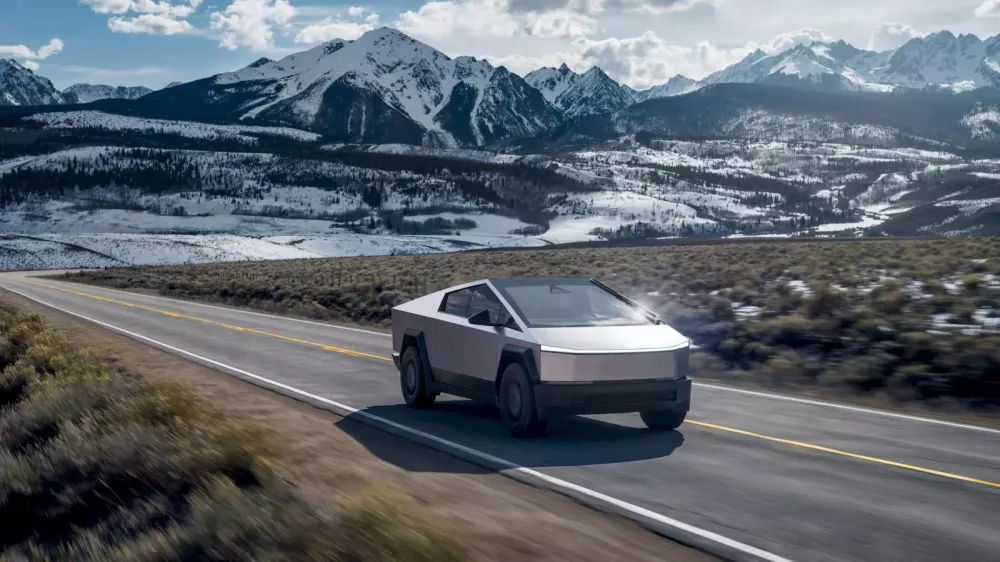
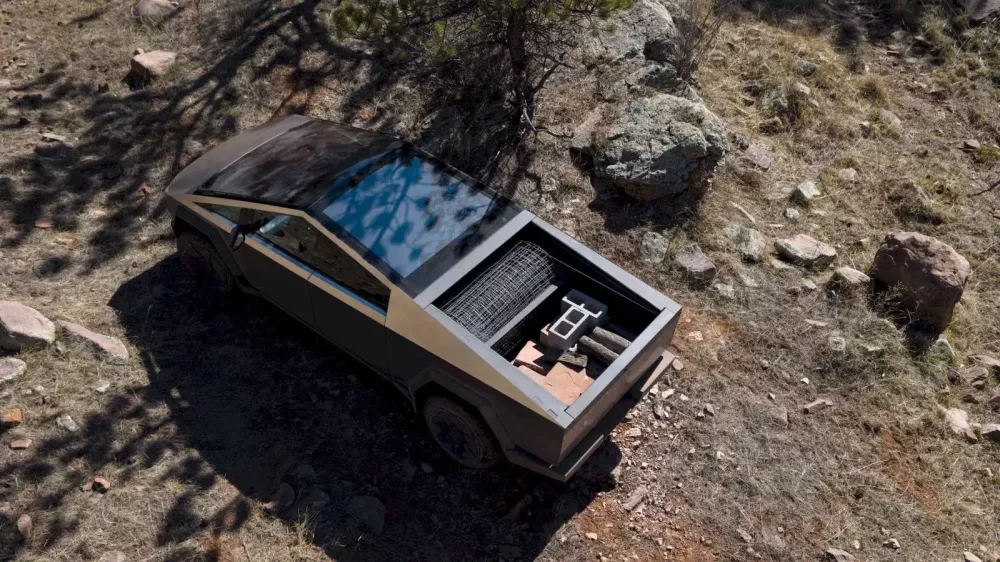
Tesla’s chief designer, Franz von Holzhausen, whose role now primarily involves designing new light bars and headlights for older Tesla models, has hinted that the Cybertruck’s design will remain unchanged. Instead of considering a more conventional shape for the electric pickup, von Holzhausen suggests Tesla is doubling down on the Cyber design language with a potential Cyber-SUV in development.
There are multiple reasons why the Cybertruck has failed the market test. High pricing and underwhelming performance are certainly at the top of the list. However, many believe Elon Musk’s foray into politics has alienated Tesla customers, with only his most die-hard fans willing to overlook his extreme political views.
For much of the past year, Tesla has struggled to find new customers for its controversial pickup. While complaints have centered on high prices or unappealing specs, Tesla has shown no willingness to address these issues. Instead, the company has resorted to other sales tactics to artificially boost demand for the struggling truck.
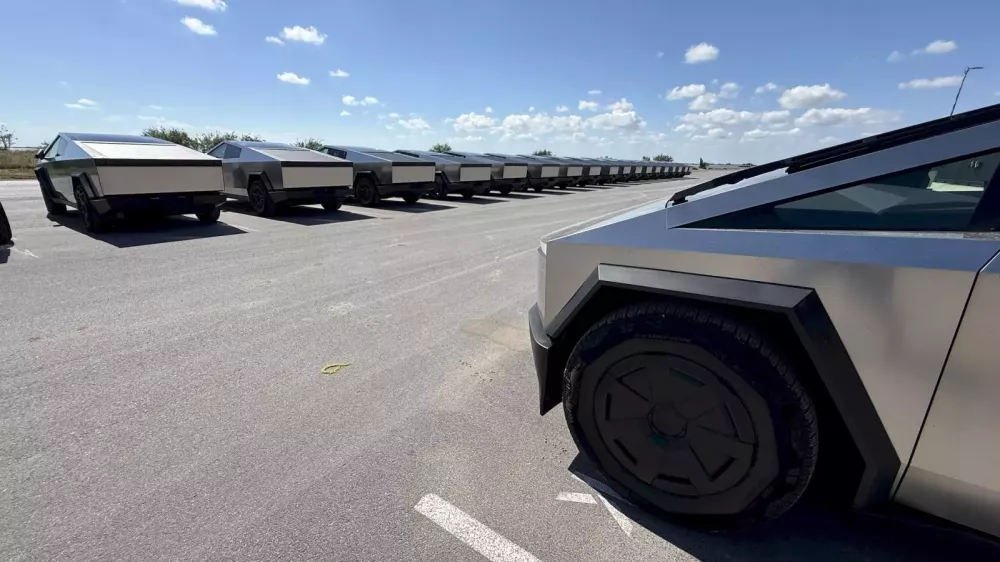
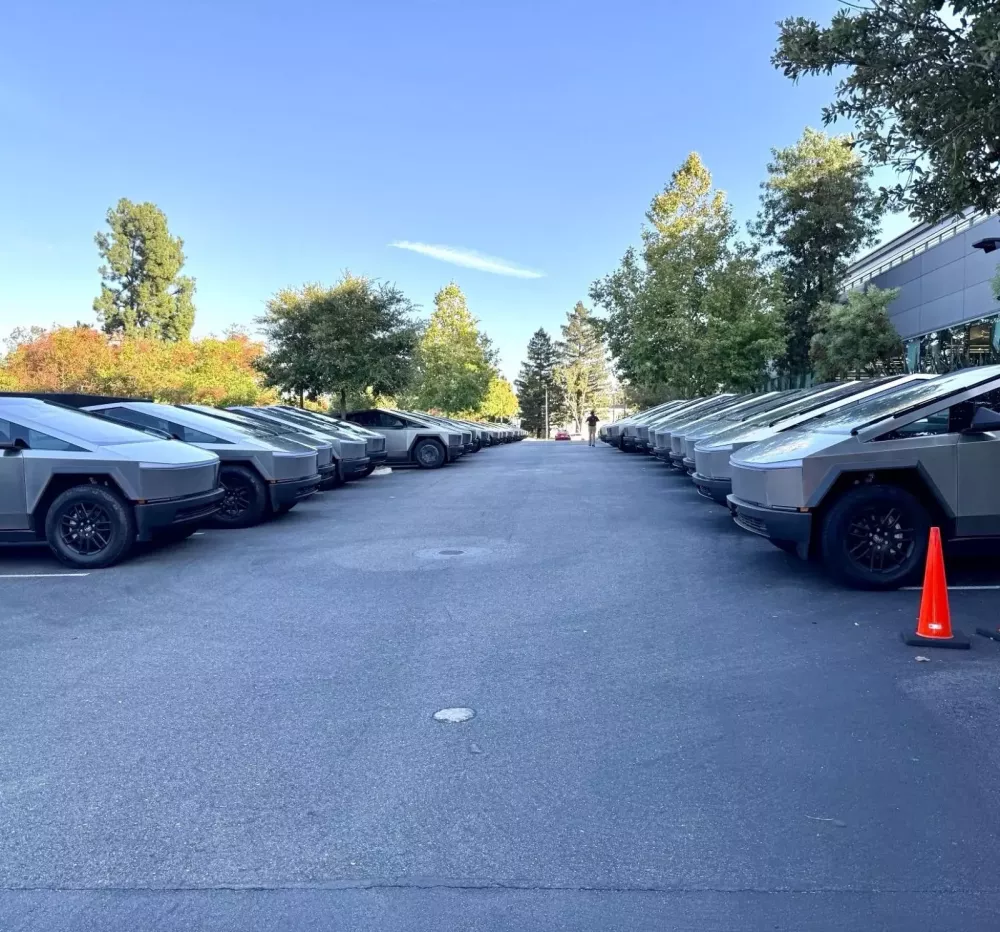
In a bizarre move unlikely to turn the tide, Musk purchased thousands of Cybertrucks for his own companies. The entire fleet has been left idle in SpaceX and xAI parking lots, while The Boring Company has also pledged to use Cybertrucks in its tunnels. Unless these companies can buy 100,000 pickups annually, the Cybertruck production line will remain largely dormant.
Recently, Tesla has found new markets for the Cybertruck, though this doesn’t mean the electric pickup will be more popular in these regions than in North America. These new markets include South Korea, the United Arab Emirates, and potentially Australia and New Zealand.
To date, Tesla has sold fewer than 50,000 Cybertrucks since deliveries began on November 30, 2023. Sales have essentially plateaued over the past two quarters, with Cox Automotive estimating only about 5,400 units sold in Q3.
It remains unclear whether launching in more markets will significantly boost sales to justify the effort. If not, this two-year anniversary may well be followed by a farewell party, rather than a third birthday celebration.
Elon Musk Receives a Whopping $33.7 Billion in Payouts as Tesla’s Sole Remaining CEO.

According to Reuters, Tesla has just approved a “temporary bonus” of 96 million shares worth of stock options for Elon Musk.
“Trump Parts Ways With Tesla: Former President Sells His Model S Amidst Musk Feud”
Let me know if you would like me to continue refining or provide additional variations.

Recent rumors suggest that former US President Donald Trump is considering selling or giving away his cherry-red Tesla Model S, purchased earlier in March this year.
The All-New GAC Pickup 01: A Global Ambition Unveiled

Although the Tesla Cybertruck remains an undisputed, unique offering in the market, a potential rival has emerged from Chinese automaker GAC in the form of the Pickup 01.
The Electric Carmaker’s European Disaster
Electric vehicle sales in Europe are booming, but Tesla’s sales have slumped by almost 50%. Is the electric car giant really faltering on the old continent?
What’s the Outlook for the Kia Pickup in the US Market?

The US market has long been considered a stronghold of pickup trucks, but is it the “dream destination” for Kia’s new model? With a sleek design and innovative features, Kia is ready to challenge the perception that the US is solely a domain of rugged pickups.