











According to The Times, the European Union (EU) has agreed to postpone the mandatory transition to fully electric vehicle sales from 2035.
The original 2035 deadline, once seen as the end of internal combustion engine vehicles, may now be extended to 2040. This reconsideration stems from significant pressure from automakers, labor unions, and concerns that the electrification process is moving too rapidly, posing risks to costs and employment.
Previously, the EU aimed for all new vehicles sold in the region to be zero-emission by 2035, mirroring initiatives in California (USA) and other countries. However, growing opposition from businesses has compelled the European Commission to reevaluate. The Times reports that the bloc has agreed to a five-year extension, allowing internal combustion engine vehicles to remain on sale until 2040.
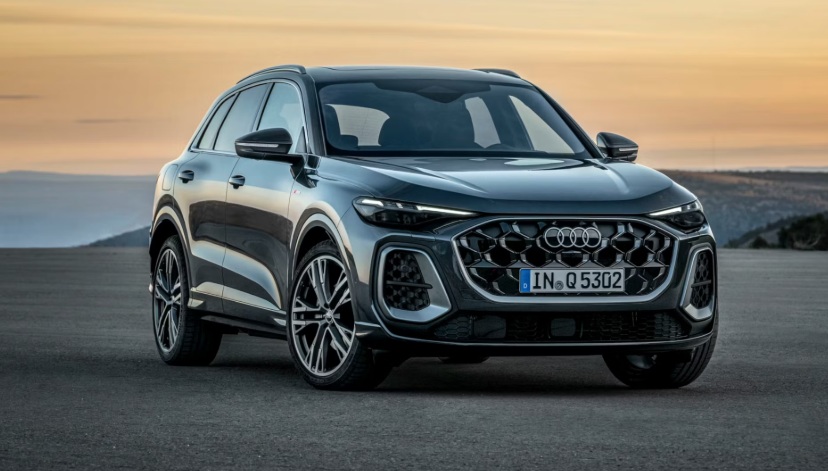
The EU has yet to clarify how electrified vehicles, such as plug-in hybrids (PHEVs) or range-extender electric vehicles (EREVs), will be treated under the new regulations. The official announcement date for these changes remains undetermined.
Industry insiders explain that most automakers have recently invested heavily in new gasoline and hybrid engine technologies, meaning a 2035 deadline could force early closures of many plants. Stellantis Chairman John Elkann and other top executives have lobbied intensively to ease cost pressures they deem “unabsorbable” in the current climate.
Politically, German Chancellor Friedrich Merz reportedly urged European Commission President Ursula von der Leyen to reconsider the ban on gasoline vehicles. He warned that a rigid timeline could disrupt industries and lead to job losses. In a letter dated November 28, Merz called for more flexible CO₂ regulations, leveraging diverse technologies to meet climate goals without undermining European businesses’ competitiveness.
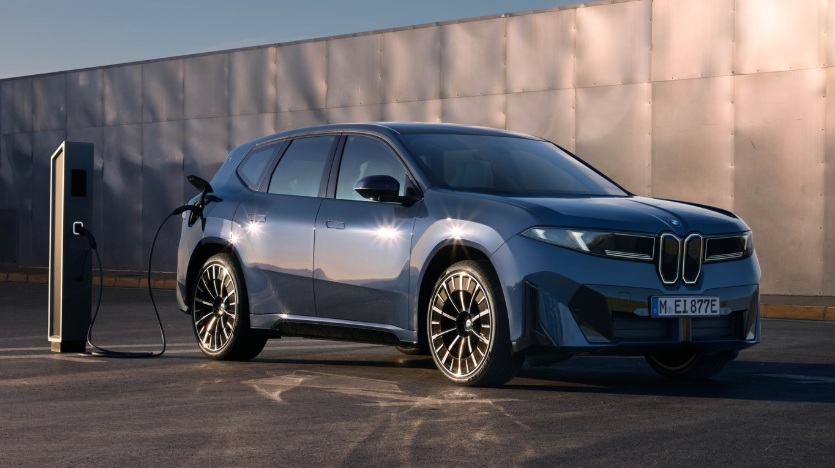
The EU is expected to unveil revised emission regulations on December 17. Many anticipate relaxed requirements for plug-in hybrid vehicles (PHEVs), similar to past adjustments made under pressure from the automotive industry. While final details remain unconfirmed, the overall trend is clear: the deadline for European dealerships to sell only electric vehicles will be delayed beyond 2035.
Porsche Appoints Michael Leiters as New CEO

After months of internal pressure and mounting dissatisfaction from investors, Porsche AG has officially announced a leadership change at the helm.
Porsche Unveils New Gas-Powered SUV: A Worthy Macan Successor?
The all-new model is a doppelganger of Porsche’s beloved Macan, but with a new name.
The All-New Mercedes-Benz CLA 2025: Storm of Sales After Its Grand Debut
Despite the ongoing SUV craze, the new Mercedes-Benz CLA has defied expectations and carved its own path to success. With an impressive number of orders flooding in just three months after its launch, this sleek and stylish sedan has proven its allure and cemented its place in the hearts of drivers worldwide.
The Future of Luxury: Mercedes Unveils the Vision for its Iconic S-Class
The German automaker will retain the internal combustion engine for its S-Class line until the end of 2040.
Porsche discontinues petrol-powered Macan production from 2024: Impact on Vietnam?

To comply with the stringent regulations of the European Union (EU), Porsche has announced its plan to cease production of petrol-powered Macan by 2024.