
















According to The Times, the European Union (EU) has agreed to postpone the mandatory transition to fully electric vehicle sales from 2035.
The original 2035 deadline, once seen as the end of internal combustion engine vehicles, may now be extended to 2040. This reconsideration stems from significant pressure from automakers, trade unions, and concerns that the electrification process is moving too rapidly, posing risks to costs and employment.
Previously, the EU aimed for all new vehicles sold in the region to be zero-emission by 2035, mirroring the timeline adopted by California and other nations. However, growing opposition from businesses has compelled the European Commission to reassess. The Times reports that the bloc has agreed to a five-year extension, allowing internal combustion engine vehicles to remain on sale until 2040.
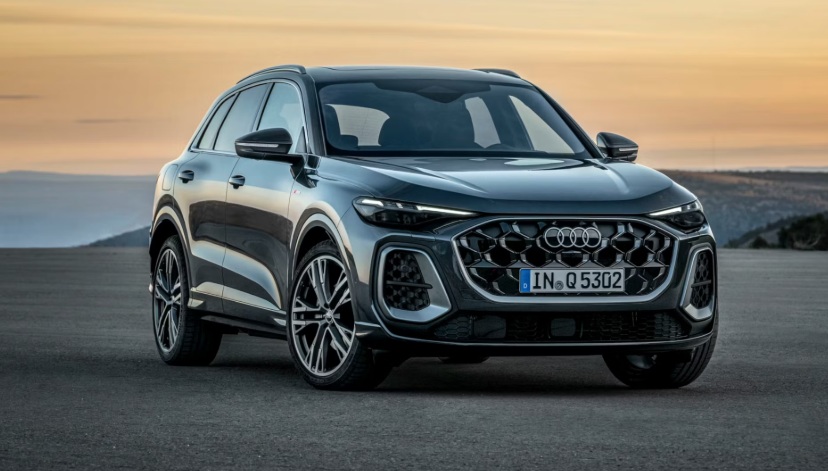
The EU has yet to clarify how electrified vehicles, such as plug-in hybrids (PHEVs) or range extenders (EREVs), will be treated under the new regulations. The official announcement date for these changes remains undetermined.
Industry insiders explain that many automakers have recently invested heavily in new gasoline and hybrid engine technologies, meaning a 2035 deadline could force early closures of several plants. Stellantis Chairman John Elkann and other top executives have lobbied intensively to ease cost pressures they deem “unabsorbable” at this stage.
Politically, German Chancellor Friedrich Merz reportedly urged European Commission President Ursula von der Leyen to reconsider the ban on gasoline vehicles. He warned that a rigid timeline could disrupt industries and threaten jobs. In a letter dated November 28, Merz called for more flexible CO₂ regulations, incorporating diverse technologies to balance climate goals with European businesses’ competitiveness.
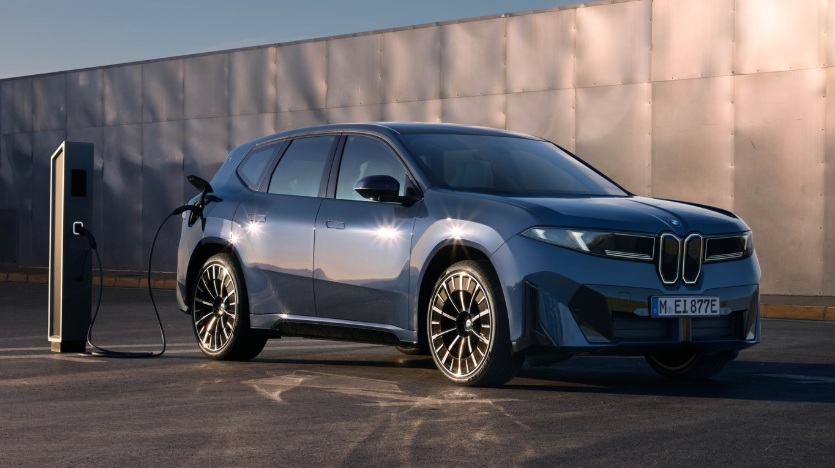
The EU is expected to unveil revised emission rules on December 17. Many anticipate relaxed requirements for plug-in hybrids (PHEVs), similar to past adjustments made under automotive industry pressure. While final details remain unconfirmed, the overall trend is clear: European dealerships will likely sell internal combustion vehicles beyond 2035.