











Global car buyers are returning to internal combustion engine vehicles due to policy shifts, trade tensions, and growing skepticism about the infrastructure and costs of electric vehicles. This trend was highlighted in a study released by professional services firm EY on December 9, 2025.
In a bid to boost gasoline vehicle sales, U.S. President Donald Trump proposed rolling back fuel efficiency standards in early December 2025. Meanwhile, the European Union (EU) may soon unveil a more relaxed version of its plan to phase out internal combustion engines by 2035.

Constantin M. Gall, EY’s global leader for Aerospace, Defense, and Mobility, noted that these policy changes stem from the slower-than-expected transition to electric vehicles.
He also observed that while Chinese consumers are buying more electric vehicles, they are less concerned about the type of engine and more focused on the vehicle’s integration with their digital lifestyles.
Why This Matters
As automakers push for a slowdown in the phase-out of fossil fuels as a lifeline for the industry, green transport advocates argue for a rapid shift to electric vehicles to curb CO₂ emissions.
Western policymakers have implemented measures like import taxes to shield domestic markets from subsidized Chinese electric vehicles. However, U.S. and European automakers also face competition from Chinese gasoline vehicles in the global market.
Key Statistics
According to EY’s report, half of global car buyers plan to purchase new or used internal combustion engine vehicles in the next 24 months, a 13% increase from 2024. Preference for pure battery-electric and hybrid vehicles dropped by 10% and 5%, respectively, to 14% and 16%.
Among those considering electric vehicles, 36% are reconsidering or delaying their decision due to geopolitical developments, EY reported.
Electric Vehicles Dominate Domestic Market as Chinese Gasoline Cars Flood Overseas
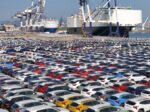
The electric vehicle revolution has completely transformed China’s automotive landscape, relegating once-dominant gasoline cars to the periphery of the industry.
Electric Car “Frozen” by Water in Trunk: Repair Costs Rival Price of Used Toyota Corolla

A mere splash of water caused a Lucid electric vehicle to experience a critical malfunction, triggering a cascade of alerts, yet the manufacturer refuses to cover the repair costs.
VinFast Delivers 23,186 Electric Vehicles in November 2025
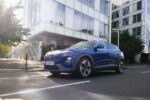
VinFast announced the delivery of 23,186 vehicles in November 2025, setting yet another record for monthly sales.
November 2025’s Top 10 Best-Selling Cars: Limo Green Takes the Lead in a Surprising Upset

According to the latest report from the Vietnam Automobile Manufacturers’ Association (VAMA), November saw the highest monthly sales volume in the market since the beginning of 2025.
Upcoming Discontinuations: SUV Models Ending Production by 2026
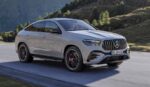
The SUV segment, long the shining star of the automotive market, is now entering a period of dramatic transformation.