























The Ministry of Industry and Trade has officially issued Circular 60/2025, detailing the calculation of electricity prices for various purposes.
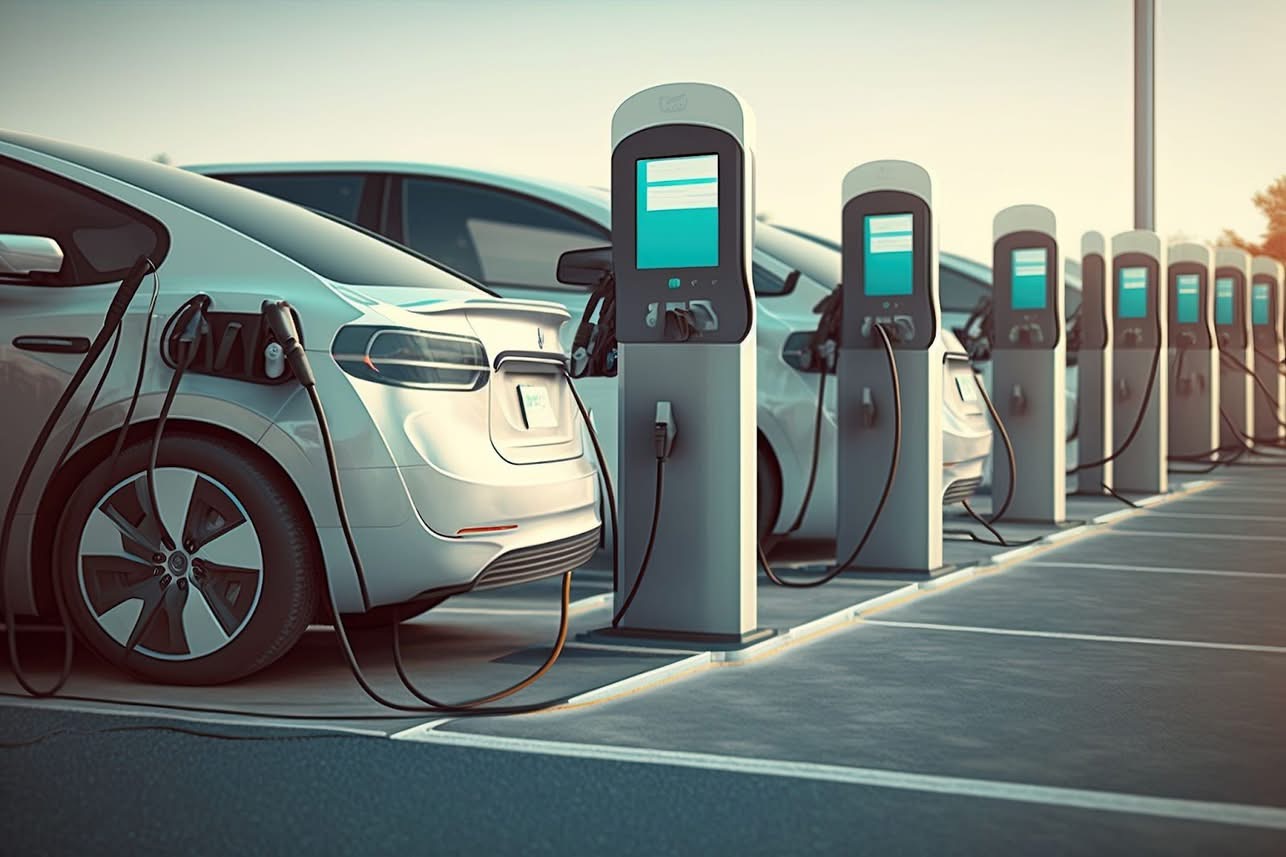
A notable update is the introduction of a specific pricing mechanism for electric vehicle charging.
According to the Circular, commercial charging facilities such as charging stations, charging poles, and battery swap stations must install separate meters and apply pricing based on electric vehicle charging purposes. Households using residential electricity for home charging will continue to pay residential rates. For customers with non-residential electricity usage and separate meters for charging equipment, pricing will be determined by the corresponding usage group.
The requirement for separate metering is due to the high electricity consumption of electric vehicle charging systems, especially during peak hours, which can strain the power grid if not managed properly.
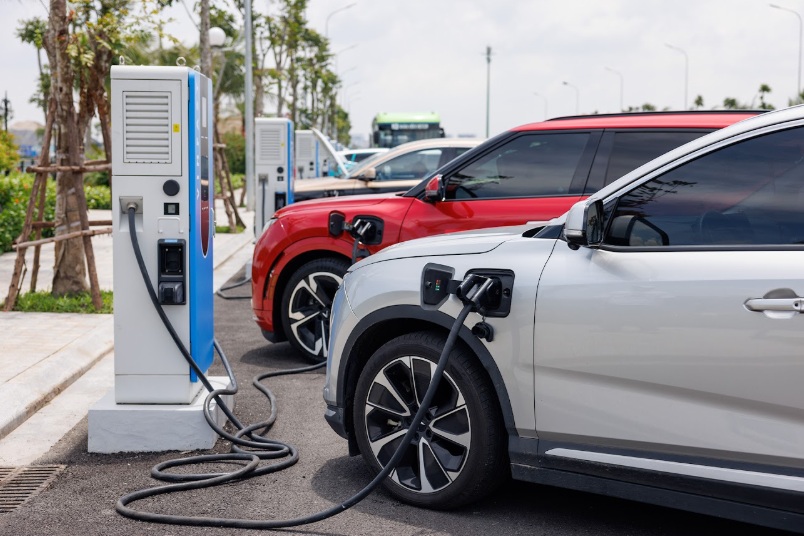
Prior to the Circular’s issuance, the Ministry proposed two scenarios. The first scenario mandated separate metering only for commercial charging points, while households with charging poles would remain on residential rates. The second scenario was more detailed: if a separate meter was installed, pricing would align with the specific usage group. Without a separate meter, pricing would follow the existing electricity contract. For residential contracts used for vehicle charging, the entire consumption would be billed at residential rates.
Currently, electricity prices for electric vehicle charging are set by Decision 14/2025, ranging from 1,565 to 4,298 VND/kWh, depending on the time of use.
Circular 60/2025 also clarifies residential electricity allowances. Each electricity connection point is entitled to one allowance; for shared meters among multiple households, the allowance is multiplied by the number of households. Specific guidelines are provided for scenarios such as contract ownership changes, new electricity connections, and index reading discrepancies to ensure user rights.
Certain provisions of Circular 16/2014 will remain applicable during the transition period until the next adjustment of the average retail electricity price.
Photo: Khương Nguyễn Minh
Vietnam’s Largest Auto Distributor to Deploy Over 50 Fast-Charging Stations Nationwide by Early Next Year
As part of our strategic partnership, customers driving electric vehicles from brands distributed by Tasco Auto will enjoy an exclusive 35% discount on charging service fees compared to other brands.
“What to Do if You Break Down on the Highway: A Driver’s Guide”

When a breakdown occurs on the highway, it is imperative for drivers to place warning triangles or lights behind their vehicles at a minimum distance of 150 meters. This crucial step ensures the safety of other motorists and emergency responders by providing advanced visibility and allowing them to take necessary precautions.
The Future of Electric Vehicle Charging: Huawei Unveils its Smart Robotic Arm

Huawei has unveiled an innovative robotic arm that revolutionizes the electric vehicle charging experience. This cutting-edge technology eliminates the need for manual plug-in charging, as the robotic arm automatically charges your electric car, providing a seamless and convenient solution for EV owners.
“Vingroup and PV Power Collaborate to Develop Nationwide Electric Vehicle Charging Network”

On November 22, 2024, Vingroup and Vietnam Petroleum Power Corporation (PV Power) signed a cooperation agreement to develop a nationwide electric vehicle charging station system and promote the use of renewable energy through rooftop solar power systems.
The Green Energy Revolution: VinGroup and PV Power’s Sustainable Partnership
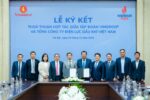
Vingroup and the Vietnam Petroleum Power Corporation (PV Power) have joined forces to accelerate the nationwide development of electric vehicle charging stations and promote the utilization of renewable energy through rooftop solar power systems. This strategic collaboration between the two industry leaders marks a significant step forward in Vietnam’s transition towards a more sustainable and environmentally conscious future.