





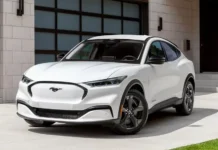



















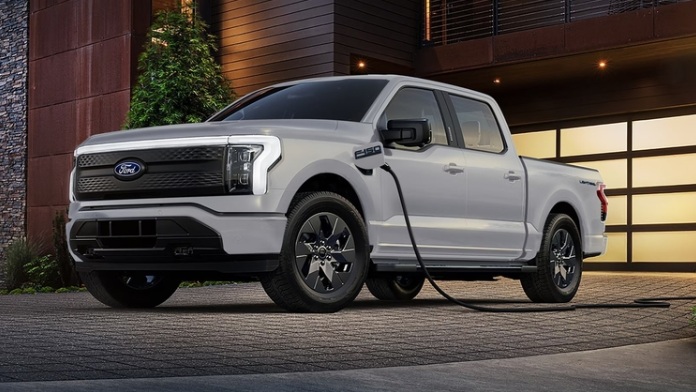
Recording a staggering $19.5 billion loss, Ford officially announces a comprehensive restructuring plan.
The company abandons its ambition for large-scale pure electric vehicles (BEV) and shifts focus to hybrid vehicles and battery storage technology.
The $19.5 Billion Shockwave and the End of Multiple Electric Vehicle Lines
The colossal loss underscores a high-stakes gamble that hasn’t paid off. Instead of continuing to pour money into large electric vehicles burdened by high production costs and low consumer demand, Ford has decided to terminate several flagship projects.
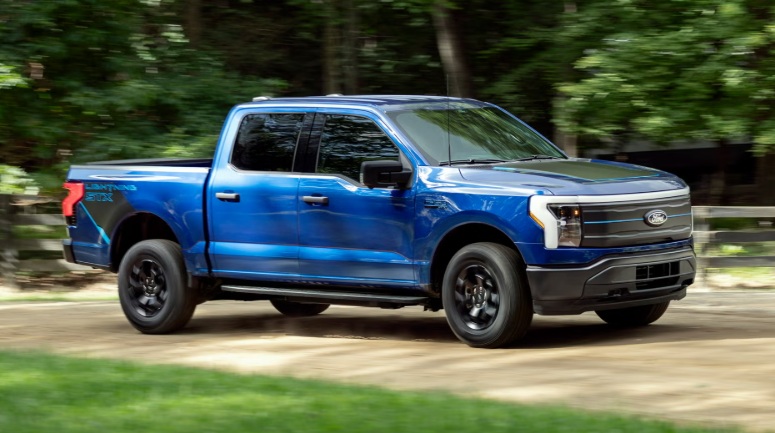
Most notably, the launch of a three-row electric SUV and commercial electric vans in both Europe and North America has been canceled. Even the flagship F-150 Lightning isn’t immune, as its future roadmap is being recalibrated to adopt extended-range electric vehicle (EREV) technology rather than remaining purely electric.
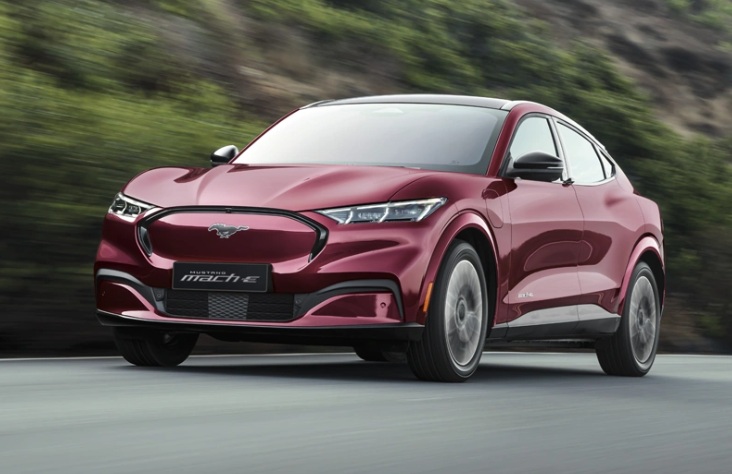
Ford will concentrate on compact, affordable vehicles (priced around $30,000, approximately 790 million VND) built on the new Universal EV platform starting in 2027.
New Focus: Hybrid and EREV as Revenue Drivers
Instead of betting everything on electric vehicles, Ford is pivoting toward flexible drivetrains. By 2030, the company aims for hybrids and EREVs to account for 50% of global sales (currently at 17%).
To achieve this, Ford is developing a more diverse hybrid portfolio than ever before. Each product line will be tailored to specific consumer needs: from fuel-efficient versions for everyday drivers to variants emphasizing performance and towing capacity. Additionally, hybrids capable of powering external devices—a feature popular in North America—will continue to expand.
In the extended-range electric vehicle (EREV) segment, Ford hints that the second-generation F-150 Lightning will offer this technology as an option. This move suggests the strategy won’t be limited to pickups but could extend to other large SUVs in Ford’s ecosystem, such as the Ford Expedition and Lincoln Navigator.
According to Ford, by the end of the decade, nearly its entire product lineup will be electrified to varying degrees—from hybrids and plug-in hybrids to multi-energy drivetrains. This foundational shift will enable Ford to adapt more flexibly to fluctuations in charging infrastructure, battery costs, and global consumer demand.
This transformation is so profound that Ford has renamed its Tennessee electric vehicle center to the Tennessee Truck Plant, which will focus on producing affordable gasoline-powered pickups starting in 2029.
Venturing into Energy Storage Solutions
TH (Tuoitrethudo)