




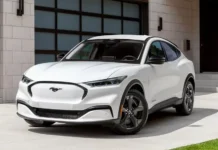

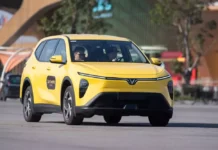


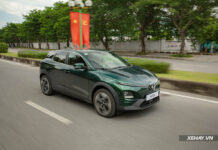
















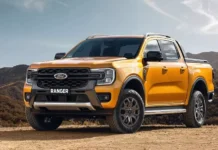
China is taking a significant step forward in tightening automotive safety standards, with plans to completely ban hidden door handles by 2027.
The new regulation comes in response to numerous severe accidents where occupants and rescuers were unable to open doors due to disabled electrical systems.
According to a draft standard released by China’s Ministry of Industry and Information Technology in mid-December, all passenger vehicles under 3.5 tons must be equipped with both interior and exterior mechanical door handles. The new rule mandates that these handles must function reliably in all scenarios, even during severe collisions or complete electrical system failure.
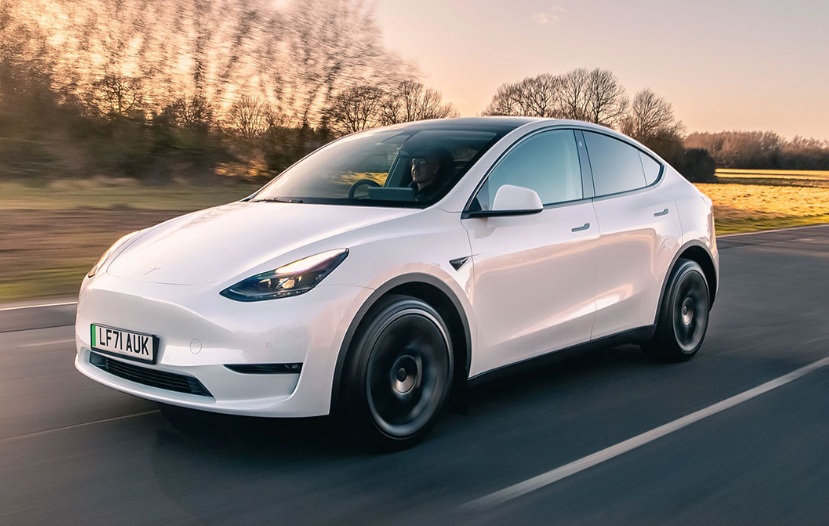
This decision is seen as a solution to the challenges faced by rescuers and consumers over the years. The hidden door handle design, a hallmark of modern electric vehicles like Tesla and Xiaomi, has been optimized for aerodynamics but has exposed critical flaws. In emergencies, when power is cut, these handles often jam, making external access to victims nearly impossible. Even breaking the glass, finding the discreet manual override becomes a race against time for rescuers.
Pressure on Chinese regulators intensified following horrific incidents in Chengdu and Tongling. Accidents involving newer models like the Xiaomi SU7 Ultra revealed a grim reality: electric door opening systems completely fail post-collision, leaving bystanders and rescuers helpless. Additionally, user feedback highlights frequent malfunctions or freezing of these handles in cold weather, causing daily inconvenience and safety risks.
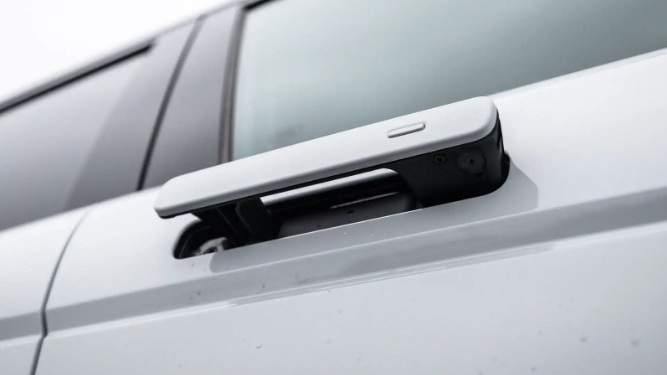
Experts argue that the trade-off between aesthetics, aerodynamic efficiency, and the hidden handles’ risks is unacceptable. Studies show electric retracting handles reduce drag coefficients by only 0.005 to 0.01, saving a negligible 0.6 kWh per 100 km. Sacrificing escape capabilities for such minimal gains clearly contradicts core automotive safety principles.
China’s stricter safety regulations are expected to influence global automotive standards. To maintain market share and streamline production, both domestic Chinese manufacturers and Western automakers will likely adapt their international models. The era of sleek but risky hidden handles may soon end, prioritizing fundamental safety and practicality.
TH (Tuoitrethudo)
Dog Triggers Automatic Trunk, Injuring Woman

A New Jersey woman has filed a lawsuit against Volvo, alleging the automaker is responsible for a head injury she sustained. The incident occurred when a dog accidentally triggered the vehicle’s automatic trunk sensor.
The Great Debate: Traditional vs. Modern Door Locks Ignited by Xiaomi SU7 Accident

A devastating accident involving a Xiaomi SU7 Ultra in Chengdu, Sichuan, China, has sparked intense debate over the safety and emergency escape capabilities of modern electric vehicles. The incident, which resulted in one fatality, raises critical questions about the reliability of these advanced vehicles in high-risk situations.
VinFast Launches Compact Cargo Vehicle Lineup, Starting at VND 285 Million

On May 13, 2025, VinFast unveiled its latest innovation: the EC Van, a compact electric cargo vehicle designed to spark a green revolution in the world of freight transportation.
The Ultimate Guide to Electric Vehicle Safety: Hyundai and Kia’s Revolutionary Battery Management System Unveiled

To alleviate consumer concerns about the safety of Electric Vehicles (EVs), Hyundai and Kia have unveiled their latest Battery Management System (BMS) technology, a significant advancement in their ongoing efforts to enhance the reliability and performance of electric vehicles.