



























We’re all familiar with routine car maintenance tasks like oil changes, tire pressure checks, and fluid top-ups. But when was the last time you inspected your windshield wiper blades? Chances are, it’s only when persistent streaks appear on the glass or when rain isn’t clearing as effectively as before. At best, grime on the windshield can be distracting. At worst, it can significantly reduce visibility, posing a serious safety hazard.
Unfortunately, there’s no definitive research on when to replace wiper blades. A study by Safelite AutoGlass found that about two-thirds of drivers replace their blades annually, while nearly a quarter delay this task for 2–3 years. Manufacturers typically recommend replacement every 12 months, but few drivers operate their vehicles under ideal conditions.
Harsh summer sun and heavy rainfall can accelerate blade deterioration. The rubber, initially effective, may degrade faster than expected. This raises the question: is annual replacement sufficient? Let’s explore why it might not be and how you can extend your wiper blades’ lifespan.
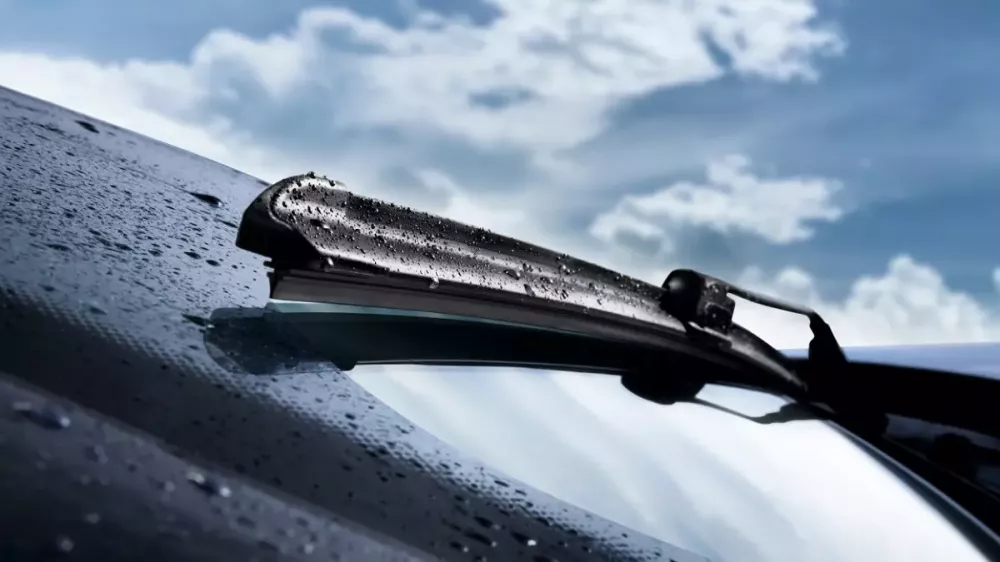
How Long Do Wiper Blades Last?
The 12-month mark is often cited as the standard for replacement, but some manufacturers suggest every 6 months. Whether this is sound advice or a sales tactic depends on your blades’ condition. If wiping leaves streaks, smears, or vertical lines, it’s time for a change.
Several factors shorten wiper blade lifespan. Exposure to ozone, UV rays, and temperature fluctuations causes rubber compounds to break down. Dust and debris on the windshield also wear down the blade edges, gradually eroding the rubber. For instance, a driver in Seattle (152 rainy days annually) will need replacements sooner than one in Los Angeles (36 rainy days). Additionally, materials like natural rubber and silicone age differently.
Once deterioration begins, the blade no longer makes full contact with the glass, leading to uneven wiping, bouncing, or streaking. This compromises safety by creating blind spots. Replacement shouldn’t be tied to a rigid schedule but rather to visible signs of wear.
Signs It’s Time to Replace Your Wiper Blades
You’ve likely noticed thin streaks, haze, or uncleaned patches on the glass—early signs of blade degradation. Other indicators include chattering, bouncing, or squeaking during operation. More severe wear may show as small cracks or chunks missing from the blade edge, all impairing performance.

Several signs indicate when to inspect and replace your wiper blades.
Regularly inspect your blades for surface damage preventing even contact with the glass. Ensure the blade assembly is securely attached to the arm. Maintenance is simple: occasionally wipe the blade edges with a soapy sponge or soft cloth dampened with glass cleaner.
Preventive measures include cleaning the windshield with a glass scraper before using the wipers and avoiding dry wiping. In winter, let ice melt before activating the blades to prevent tearing the frozen rubber. You can also lift the blades away from the glass during snowfall.
Replacement is straightforward and cost-effective. Premium silicone blades are pricier than basic rubber ones. Ensure compatibility with your vehicle by consulting the manual. Typically, lift the arm, press the release tab to remove the old blade, and click the new one into place until it locks.
“Common Pitfalls to Avoid When Getting Familiar With Your New Car”

“Mistakes made by new drivers are all too common and can have costly consequences. This is why hearing from experienced drivers is invaluable for new car owners. Their practical tips and insights can help new drivers avoid costly blunders and ensure a smoother ride towards achieving their dream of car ownership.”
“A Costly Mistake: Buying a Used Toyota for $5,000, Only to be Faced with a $9,000 Repair Bill”

The repair bill included a number of items deemed rather unusual, resulting in repair costs almost doubling the vehicle’s resale value.
The Road Home for Tet: A Driver’s Guide

In addition to checking off items on your car maintenance checklist, it’s crucial to keep the following tips in mind to ensure a safe journey and avoid hefty fines for violations.
Ford Explorer 2017: American-Made, Affordable and Reliable.

With six pre-owned cars under his belt, Mr. Binh’s advice is to steer clear of purchasing used Korean cars. He emphasizes the importance of conducting thorough research and arming yourself with knowledge and insights about the specific used car model and its previous owner, rather than solely relying on inspection workshops.
“GSM and Mekong Green Partner to Offer Nationwide Auto Repair and Maintenance Services”

“Green Smart Mobility Joint Stock Company (GSM) and Mekong Green Commerce Joint Stock Company have joined forces, signing a memorandum of understanding to establish Vietnam’s leading large-scale auto repair and maintenance service chain. “