





























Starting January 1, 2026, the Road Traffic Order and Safety Law will officially take effect, marking a comprehensive reform in Vietnam’s traffic management and operations.
This reform goes beyond adjusting fines; it aims to transform driving behavior. Key initiatives include enhanced child safety measures, transparent penalty procedures, and the introduction of a points-based driver’s license system.
Top Priority: Child Safety
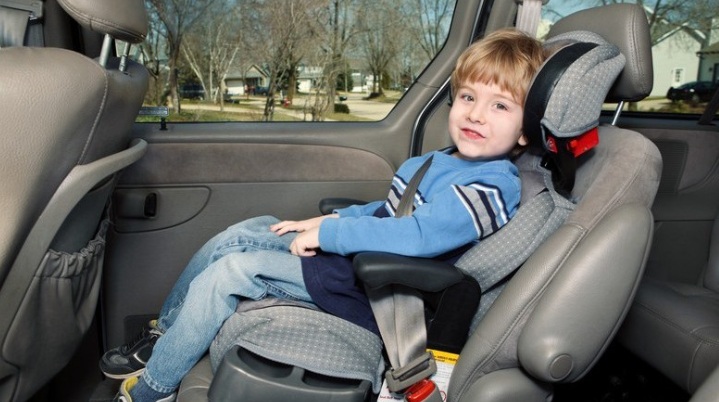
One of the most significant and humane changes is the mandatory use of child safety devices in vehicles. From 2026, children under 10 years old or shorter than 135 cm are strictly prohibited from sitting in the front seat. The law requires drivers to install certified safety equipment such as ISOFIX seats, booster seats, or rear-facing infant carriers. Violations will result in fines ranging from 800,000 to 1,000,000 VND starting July 1, 2026. However, this rule does not apply to commercial passenger vehicles to ensure feasibility.
Revolutionizing Management: New Driver’s Licenses and Points System
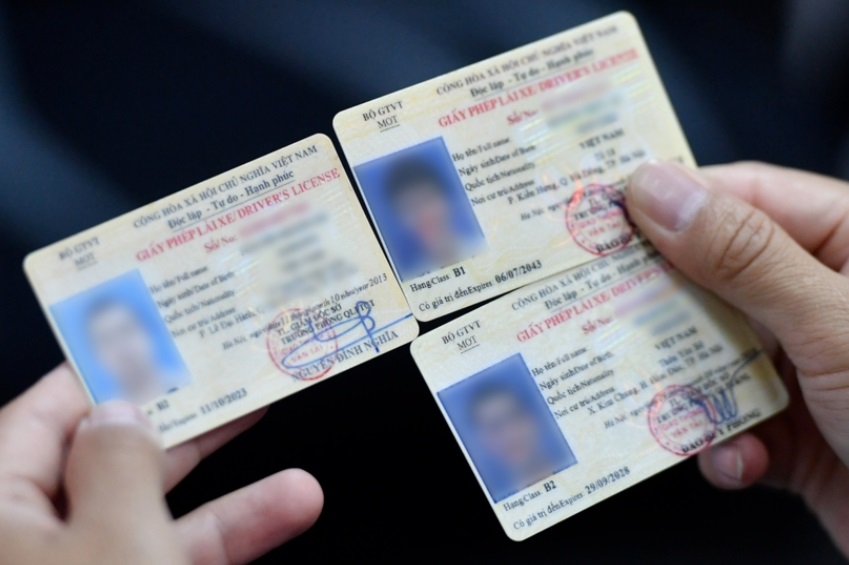
The familiar driver’s license will be redesigned using PET material with a pink hue, a blue background portrait, and a QR code for digital data synchronization. A new points-based system will be introduced, allocating 12 points annually to each driver. Violations will deduct points, and drivers who lose all 12 points will face a 6-month driving ban. To regain points, offenders must pass a legal knowledge re-examination. Drivers with no violations will automatically regain their maximum points after 12 months.
Additionally, license categories have been streamlined. Category A1 will cover vehicles under 125 cc or electric vehicles under 11 kW, while all passenger cars will be grouped under Category B with specific vehicle type annotations.
Transparent Penalties with Visual Evidence
From 2026, the Traffic Police Department mandates that all traffic violations must be supported by visual or electronic evidence. Officers must use body-worn cameras or fixed camera systems to document the entire enforcement process. This requirement applies to road, waterway, and railway traffic, ensuring transparency and protecting citizens’ legal rights.
Decentralized Registration Fee Authority
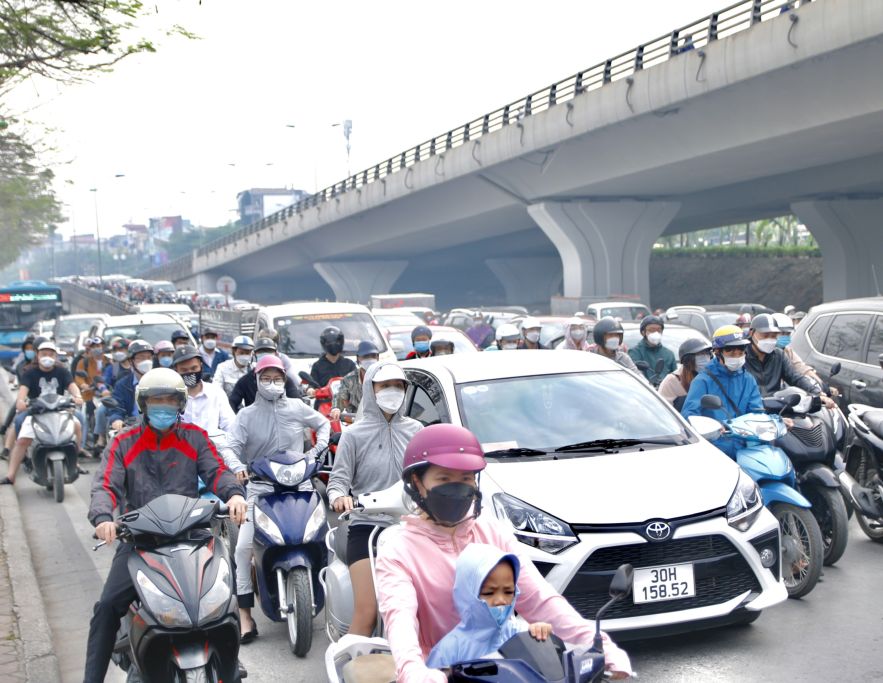
A significant economic change is the delegation of registration fee table authority to provincial and municipal People’s Committees. Instead of a uniform table from the Ministry of Finance, local governments will set fees based on regional market conditions. The base rate remains at 10% for vehicles under 9 seats, with a maximum 5% increase allowed. Pickup trucks and vans will be taxed at 60% of the passenger car rate.
These 2026 reforms promise a more disciplined, transparent, and safer traffic environment. Citizens should familiarize themselves with these regulations to avoid penalties and, more importantly, to ensure their safety and that of their families.
TH (Tuoitrethudo)