












The year 2025 marks a pivotal turning point for Vietnam’s automotive industry, driven not only by market fluctuations or the rise of electric vehicles but, more significantly, by the increasingly clear regulatory role of government policies.
For the first time, the automotive policy framework has shifted from a neutral stance to one with clear priorities: promoting green transportation, gradually phasing out high-emission vehicles, and restructuring the entire industry value chain.
When examining the policies introduced and implemented in 2025, a consistent narrative emerges: the rules of the game have changed, and businesses that fail to adapt risk being left behind.
Registration Fee Exemption for Electric Vehicles: The Biggest Lever of 2025
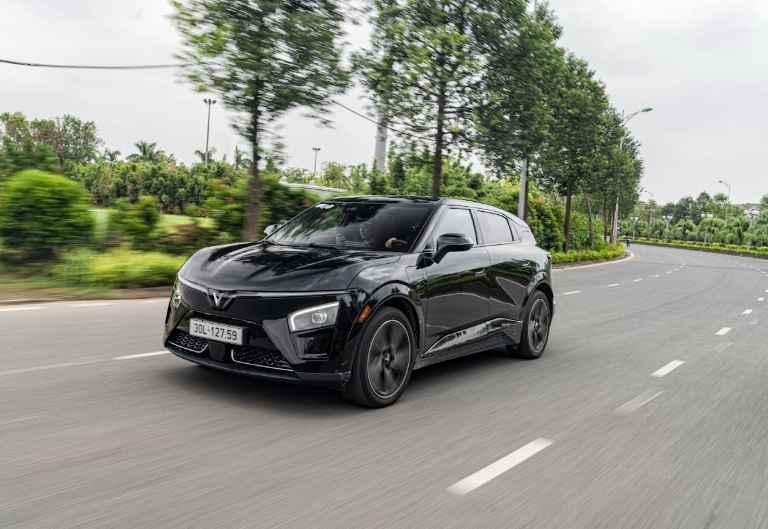
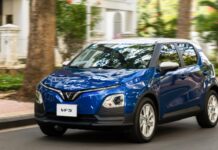
The most direct and impactful measure is the government’s extension of the 100% registration fee exemption for electric vehicles until February 2027. With typical registration fees ranging from 10% to 12%, this policy reduces the price of electric vehicles by tens to over a hundred million dong compared to their gasoline counterparts. More importantly, this long-term incentive provides stable pricing advantages, setting it apart from short-term promotional campaigns and bolstering consumer confidence.
Special Consumption Tax: A Purposeful Distinction
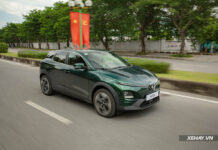
In parallel, the special consumption tax continues to serve as a deliberate regulatory tool. Electric vehicles are taxed at significantly lower rates than gasoline vehicles, while hybrids also enjoy relative benefits. This policy not only influences consumer behavior but also compels automakers to recalibrate their product strategies and seriously consider electrification roadmaps to maintain long-term competitiveness.
Tightening Emission Standards: A Persistent Underlying Pressure
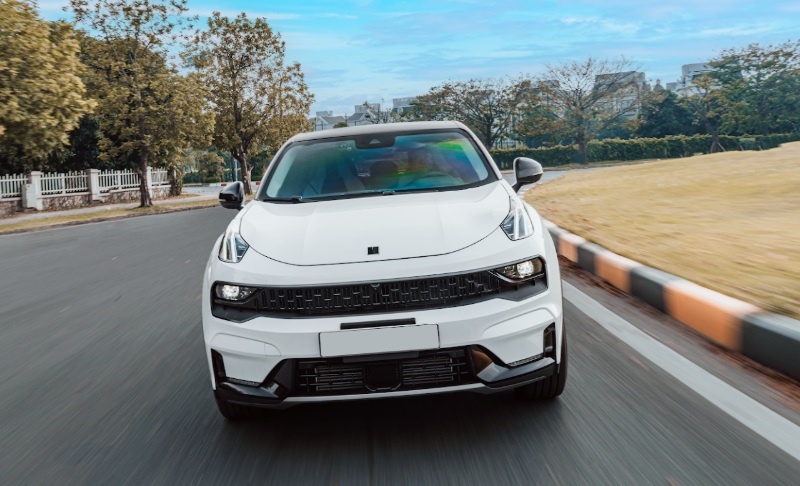
Another enduring pressure comes from stricter emission standards. According to the environmental authority’s roadmap, Euro 5 and eventually Euro 6 standards are being rigorously enforced for new vehicles. While not an immediate shock, this policy significantly increases technology and production costs for gasoline vehicles, making older, low-cost models increasingly unsustainable. Meanwhile, electric and hybrid vehicles indirectly benefit from their emission advantages.
Net Zero 2050 Commitment: The Foundation for All Policies
All these policies are underpinned by Vietnam’s commitment to achieve net-zero emissions by 2050. This pledge is no longer just a statement but a cornerstone of policy planning, with transportation and the automotive sector as key pillars. As this goal becomes more concrete, electrification shifts from an experimental choice to a long-term survival imperative for businesses.
Charging Infrastructure: Unlocking Market Confidence
A major hurdle for electric vehicles—charging infrastructure—has seen significant breakthroughs in 2025. Permitting and encouraging the installation of charging stations in apartment complexes, parking lots, and shopping centers not only addresses technical challenges but also eliminates consumer psychological barriers. As charging becomes more convenient and commonplace, electric vehicles are increasingly viewed as everyday transportation rather than experimental options.
No Extension of Incentives for Assembled Gasoline Vehicles: A Strategic Brake
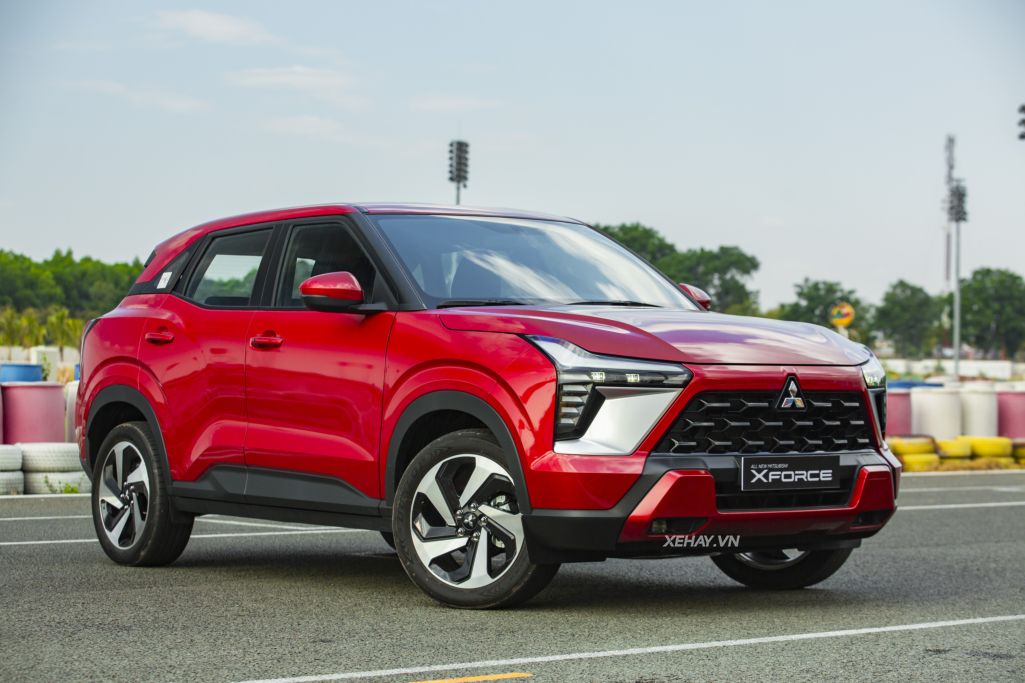
Conversely, the decision not to extend registration fee incentives for domestically assembled gasoline vehicles serves as a strategic brake. Amid rising production costs, CKD (Completely Knocked Down) vehicles must compete directly with imports and electric vehicles without policy advantages. This sends a clear signal that the government will not indefinitely protect internal combustion engine technology.
Policies for Commercial Transport: EVs Take the Lead
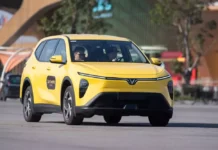
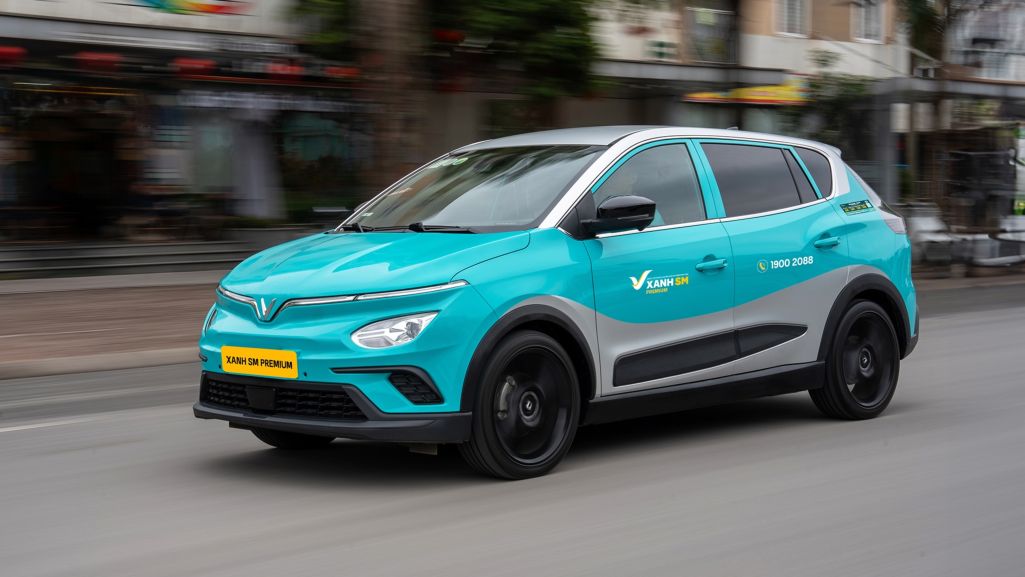
Policies for commercial transport also accelerate the shift. Many localities prioritize electric taxis and gradually restrict new gasoline vehicles in urban transport. While not an outright ban, this direction is strong enough to push transport companies toward electric vehicles—which offer lower operating costs and faster ROI—creating a ripple effect in the consumer market.
Promoting Localization and Supporting Industries
Policy focus is shifting toward localizing electronic components, batteries, and electric motors. If effectively implemented, this will position Vietnam’s automotive industry as a deeper participant in the global production network.
Green Credit: Selective Capital Flows
Financially, green credit has become an indirect but effective regulatory tool. Electric vehicle projects, battery production, and charging infrastructure receive preferential access to capital, while high-emission projects face increasingly stringent credit conditions. Capital flows are thus guided in alignment with policy objectives.
Urban Emission Management: Soft Advantages for EVs
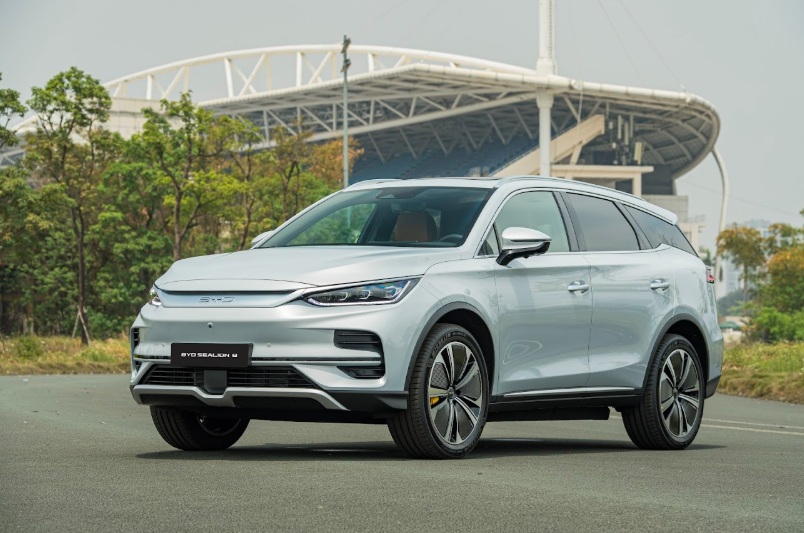
Urban emission management strategies provide soft advantages for electric vehicles, from access to restricted spaces to favorable traffic planning. Though not codified in rigid regulations, these factors solidify the long-term position of electric vehicles.
TH (Tuoitrethudo)
The Final Jaguar F-Pace SVR Rolls Off the Production Line
Jaguar, the iconic British luxury car brand, has reached a historic milestone as the final internal combustion engine (ICE) vehicle rolled off its production line, marking the end of an era.
Maximize Earnings, Minimize Costs: VinFast Green Empowers Drivers with Efficient Ride-Hailing Solutions

VinFast’s Green line vehicles, specifically designed for commercial use, are setting new standards in cost efficiency. With remarkably low fuel and maintenance expenses, these models empower drivers to optimize cash flow and significantly enhance long-term profitability.
Global Electric Vehicle Market: China Dominates, Tesla Reigns Supreme

In the first 10 months of 2025, electric vehicles accounted for nearly a quarter of all new car sales globally, solidifying their rapidly growing dominance in the automotive market.
Vingroup and Congo’s Capital City Join Forces to Revolutionize Green Transportation

Vingroup Group has signed a tripartite Memorandum of Understanding (MoU) with the City of Kinshasa (Democratic Republic of the Congo) and Exposure SARL, establishing a comprehensive framework for collaboration. This partnership aims to develop a sustainable, modern, and accessible urban transportation system in the City of Kinshasa.
Top 10 Best Car Brands of 2026: Underrated Vietnamese Favorite Takes the Lead

The latest data from *Consumer Reports* reveals significant shifts in the 2026 rankings of the top 10 automotive brands, with substantial gaps between manufacturers. This highlights both standout winners and struggling contenders in the industry.