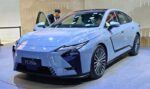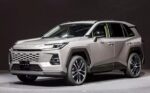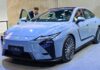















BYD has surpassed Tesla to become the world’s largest electric vehicle (EV) manufacturer. For the first time, Tesla has fallen to second place in annual EV sales. The United Kingdom stands as BYD’s largest market outside China, while Tesla heavily relies on its domestic market and China. Once again, it seems Elon Musk has overpromised and underdelivered.
This shift comes as Tesla’s sales dropped nearly 9% in 2025, totaling 1.64 million vehicles sold globally. This marks the second consecutive year of decline for the brand. Meanwhile, BYD saw a 28% increase in sales, reaching over 2.25 million units. The Chinese automaker sold a total of 4.6 million vehicles in 2025.
Surpassing Tesla, Chinese Automaker BYD Becomes the World’s Largest Electric Vehicle Manufacturer
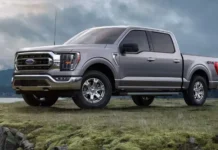
It’s been a challenging year for Tesla. The popularity of the Cybertruck has plummeted, and the model fails to meet safety regulations in two of the world’s largest markets outside the U.S.: China and Europe.
Lastly, the federal tax credit of up to $7,500 for purchasing new electric or plug-in hybrid vehicles expired on September 30, 2025. Discount campaigns for the upgraded Model 3 and Model Y were launched just weeks after the Trump administration eliminated the tax credit, but they failed to attract buyers.
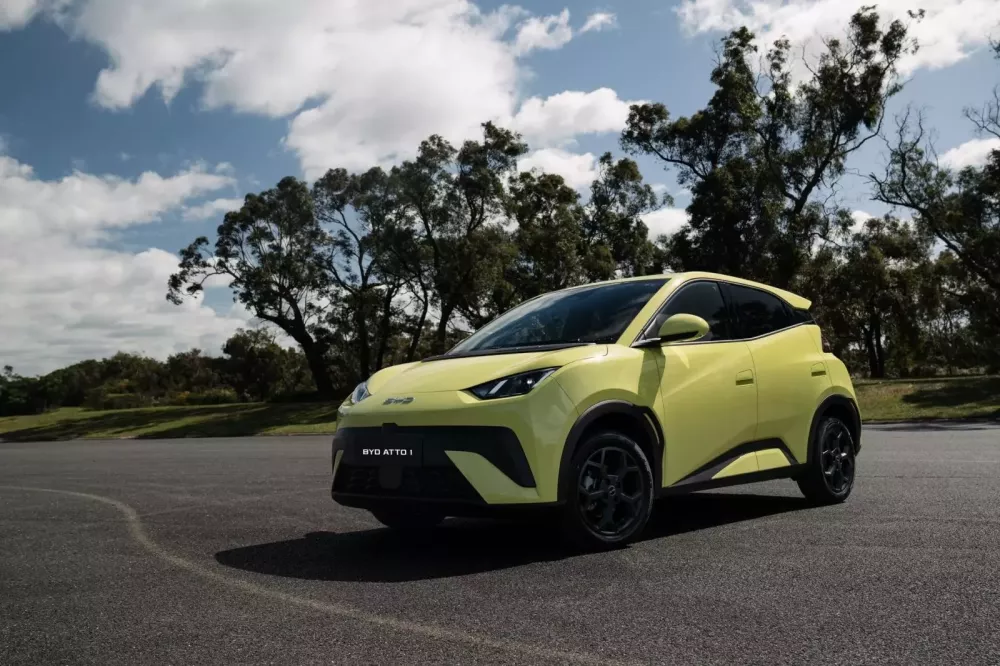
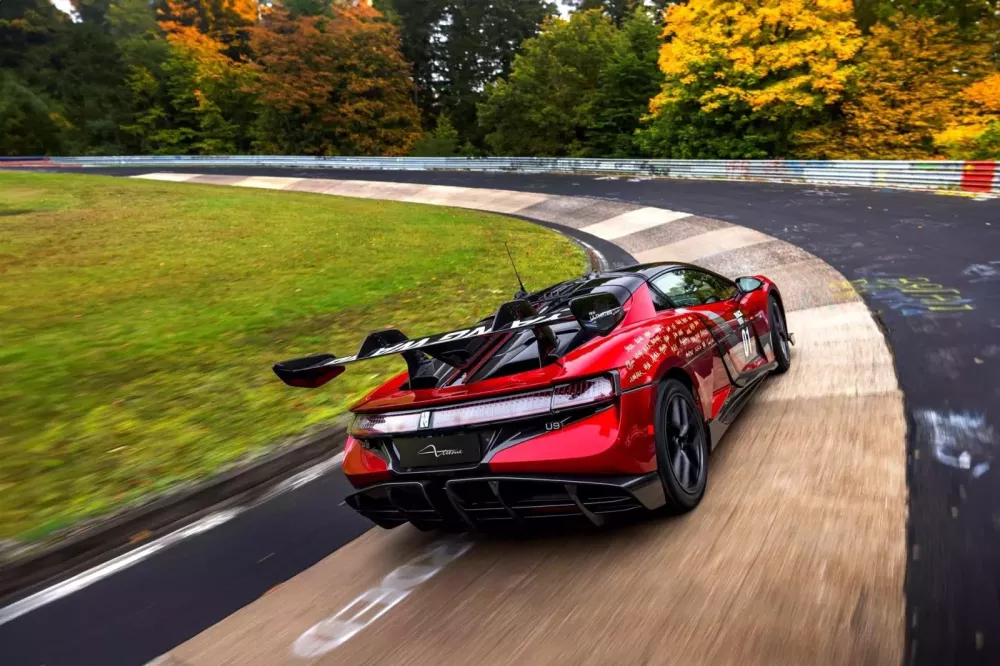
Meanwhile, automakers like Geely, MG, and especially BYD have gained significant ground in the sales race, with BYD overtaking its long-time rival Tesla. Broad product ranges and competitive pricing are key advantages for Chinese EV manufacturers.
BYD is steadily capturing market share by undercutting competitors on price. The Chinese automaker now sells vehicles in Europe, Southeast Asia, and Latin America, and was preparing to enter the U.S. market. However, the substantial tariffs imposed by Donald Trump on imports have altered those plans.
In October, BYD announced that the United Kingdom had become its largest market outside China, with sales surging 880% compared to the previous year. Meanwhile, industry giants like Ford, Stellantis, and General Motors have paused or entirely scrapped their EV expansion plans, focusing instead on hybrids and developing new internal combustion engine vehicles.
Forecast: Around 50 Chinese Electric Vehicle Brands to Downsize or Face Bankruptcy
The Chinese automotive industry is poised for a brutal “shakeout,” with a significant surge expected to unfold by 2026.
BYD Hits Sales Target, Poised to Overtake Tesla as the World’s Largest Electric Vehicle Manufacturer by 2025
BYD sold nearly identical volumes of battery electric vehicles (BEVs) and plug-in hybrid electric vehicles (PHEVs), with each category reaching approximately 2.26 million units.
Electric iCaur V23 SUV Launches in Southeast Asia: Bold Design, Starting at $29,000

The Southeast Asian electric vehicle market has welcomed a promising newcomer with the official launch of iCaur’s V23 SUV, marking the brand’s entry into the region.
Southeast Asia Emerges as the New Powerhouse in the Global Electric Vehicle Revolution
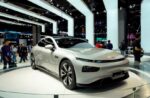
The global automotive market is witnessing a remarkable shift as emerging nations, particularly in Southeast Asia, are no longer mere followers but have emerged as leaders in the transportation electrification movement.
BYD’s October 2025 Sales Surge to Triple Tesla’s Premium Segment Performance
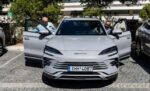
The European automotive market is undergoing a seismic shift as BYD reports remarkable growth in October 2025, starkly contrasting Tesla’s significant decline during the same period.