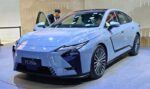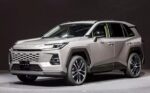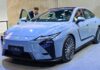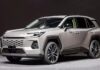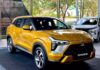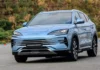

















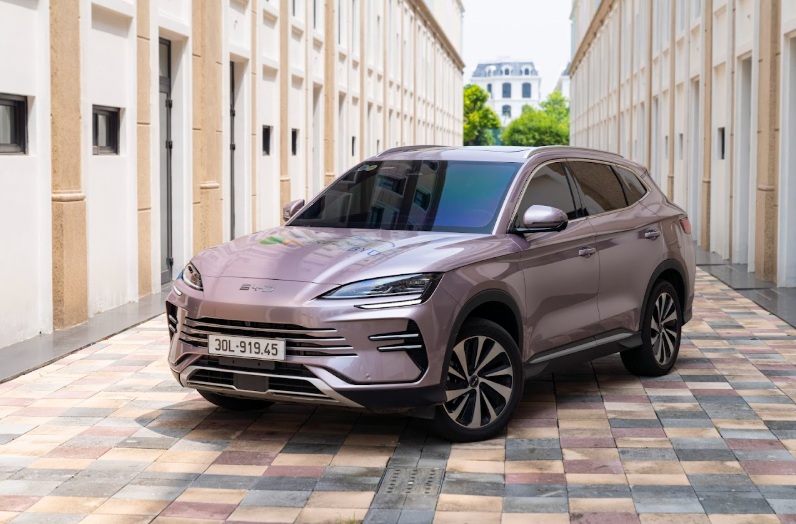
The global automotive market is on the brink of a historic shift as the long-standing power dynamics of the past two decades are set to be upended.
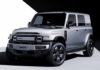
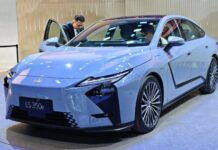
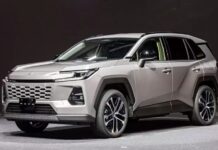
According to the latest report from Nikkei China, based on data compiled through November, Chinese automakers are projected to surpass their Japanese counterparts in global vehicle sales by 2025. If these forecasts are confirmed next month, it will mark the first time in automotive history that China overtakes Japan as the industry leader, ending the Land of the Rising Sun’s dominance of over 20 years.
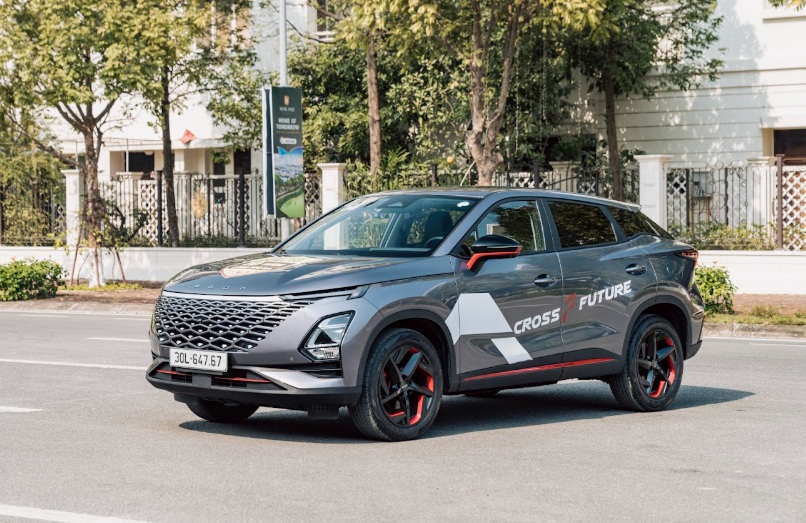
Data from automakers and S&P Global Mobility reveals that Chinese brands are expected to sell approximately 27 million vehicles in 2025, including both passenger and commercial vehicles in domestic and export markets. In contrast, Japanese automakers are forecasted to sell fewer than 25 million units, a significant drop from their peak of nearly 30 million in 2018. This calculation is based on corporate ownership and brand nationality, reflecting the rise of new industry giants.
The primary driver of this rapid ascent is the explosion of new energy vehicles (NEVs) in the domestic market, accounting for 70% of Chinese automakers’ total sales. Currently, pure electric and plug-in hybrid vehicles make up nearly 60% of passenger car sales in China. Brands like BYD and Geely have not only dominated their home market but have also secured spots among the top 10 global automakers. Meanwhile, Chery is emerging as a leading exporter, extending China’s automotive influence worldwide.
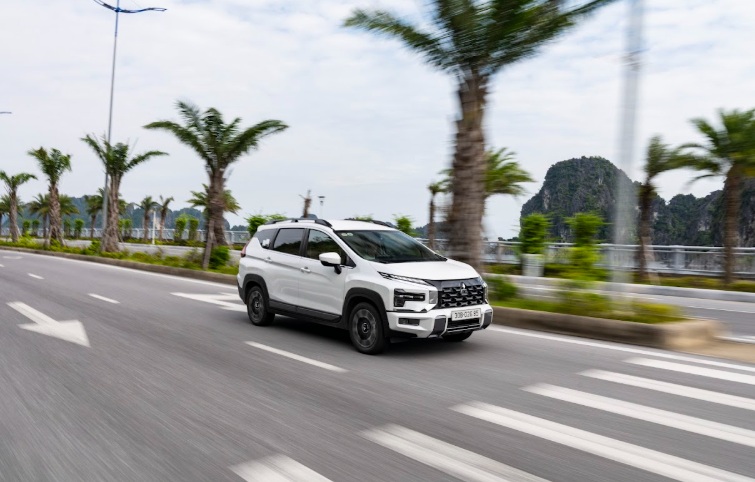
In export markets, Chinese automakers are directly challenging Japan’s dominance in traditional strongholds. In Southeast Asia, Chinese vehicles are expected to reach 500,000 units in sales this year. In Europe, the figure climbs to 2.3 million, despite tariff barriers, thanks to a strategic focus on PHEVs, which are exempt from additional taxes. Additionally, growth in emerging markets like Latin America and Africa has surpassed 30%, showcasing China’s comprehensive competitive edge.
Conversely, Japanese automakers are facing significant challenges, with shrinking market shares in key regions, including the U.S. and China. Their slow transition to electric vehicles and intense competition from local Chinese brands have led to a notable decline in sales. The 2025 global sales rankings are not just statistics but a testament to a new era in the automotive industry—one where electrification and adaptability redefine leadership.
TH (Tuoitrethudo)
Global Electric Vehicle Market: China Dominates, Tesla Reigns Supreme

In the first 10 months of 2025, electric vehicles accounted for nearly a quarter of all new car sales globally, solidifying their rapidly growing dominance in the automotive market.
Global Electric Vehicle Market 2025: China Dominates, Tesla Stands Alone as the Undisputed Leader

In the first 10 months of 2025, electric vehicles accounted for nearly a quarter of all new car sales globally, solidifying their rapidly growing dominance in the automotive market.
Japanese Automakers Accelerate Investment in India, Shifting Focus from China

Japanese automakers are making a significant pivot to India, pouring billions of dollars into factory expansions and ramping up export production.
What Does the Launch of Affordable Cars by Chinese Automakers Mean?

The Chinese automotive brand is introducing more affordable variants of its popular models, offering a simplified strategy to appeal to Vietnamese customers and increase its market diversity.
The Rise and Fall of Chinese Auto Brands in Vietnam: A Tale of Booming Launches and Silent Retirements
The influx of Chinese automobiles in Vietnam has presented Vietnamese consumers with an array of new choices. While this wave offers opportunities for all involved, not every car brand will emerge victorious.