













According to newly released data from the China Passenger Car Association (CPCA), the profit margin of China’s automotive industry from January to November 2025 stood at a mere 4.4%.
This marks the second-lowest level in the industry’s history, just 0.1 percentage points above the record low of 4.3% recorded in 2024. It underscores the mounting pressure on automakers’ profitability.
Revenue Growth Fails to Offset Rising Costs
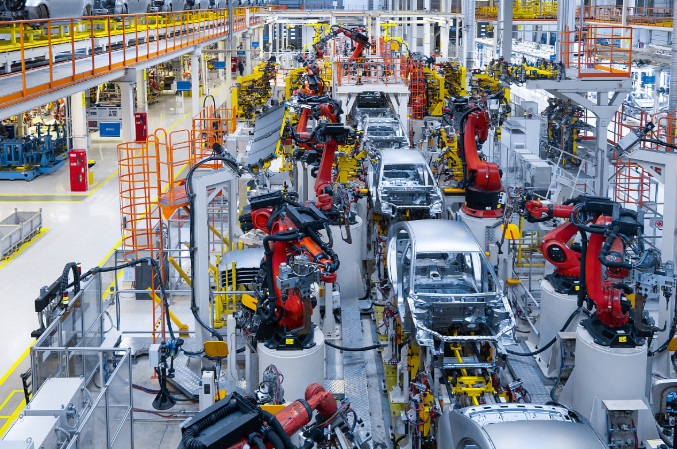
By the end of November 2025, the industry’s total revenue reached approximately $1.42 trillion, an 8.1% increase year-on-year. However, production costs surged at a faster rate of 9%, hitting $1.26 trillion. On average, each vehicle sold for around $45,800, yet automakers only pocketed a modest gross profit of $2,000 per unit.
This “thin profit” predicament stems from dual pressures. On one hand, volatile raw material prices for batteries and rising labor costs have driven production expenses to uncontrollable levels. On the other, a relentless price war between new energy vehicles (NEVs) and traditional gasoline cars has forced manufacturers to slash margins to stay competitive.
Over 70% of Models Sold Below Production Cost
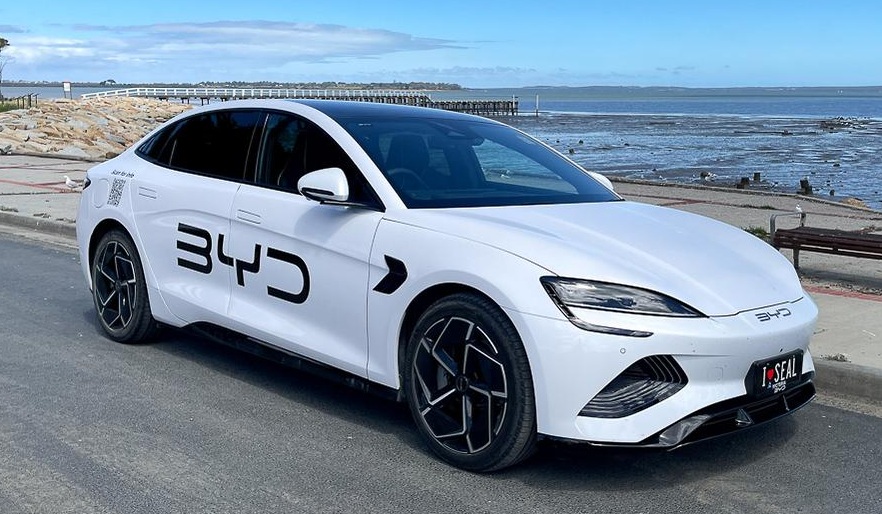
Financial strain is evident in reports from giants like Great Wall Motor (GWM), where net profit plummeted nearly 17% despite revenue growth. Alarmingly, Autohome data reveals that over half of China’s auto dealerships are operating at a loss. Worse, more than 70% of vehicle models are priced below their actual production costs.
Despite the grim overall picture, November 2025 showed localized improvements. Monthly profit margins rose to 4.4%, a significant uptick from 3.3% in the same period last year, reflecting companies’ year-end adjustment efforts.
New Energy Vehicles Dominate Market Share
In terms of production volume, China’s automotive industry maintained robust growth, manufacturing 31.09 million vehicles in the first 11 months—an 11% increase from 2024. The standout performer was the new energy vehicle (NEV) segment, which produced 14.53 million units, a remarkable 27% growth, pushing its market share to 47%. Meanwhile, traditional internal combustion engine vehicles stagnated, showing no growth compared to the previous year.
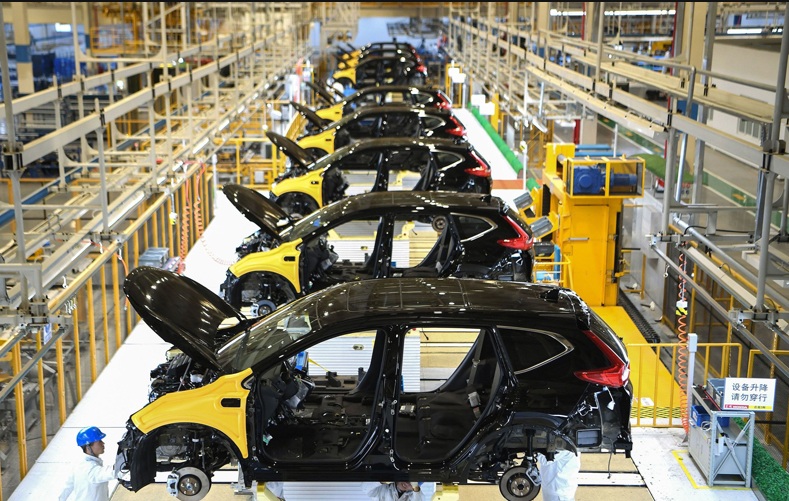
The surge in electric vehicles in China is undeniable, but the cost of maintaining this leadership is severely eroding industry profit margins. This presents a complex challenge for policymakers and businesses in balancing scale growth with sustainable economic efficiency.
Mitsubishi Motors Officially Exits the Chinese Automotive Market
Mitsubishi Motors has announced its departure from the Chinese market with the termination of its joint venture with Shenyang Aerospace Mitsubishi. This marks a significant shift as the Japanese automotive giant completely withdraws its presence from the country.
China Exports Nearly 3 Million Vehicles in First Five Months of 2025
The Chinese automotive industry is witnessing a distinct dichotomy between its export and import sectors.
The Great Electric Vehicle Race: China’s Price War and its Aftermath

“The race to become the world’s largest producer and consumer of electric vehicles has thrust China into a fierce competition, where short-term profits are sidelined in favor of long-term influence.”
The All-New Nissan X-Trail: Efficiently Crafted in Japan for Cost-Effective Excellence

According to recent reports, Nissan is considering shifting a larger portion of its X-Trail production back to Japan. This strategic move is aimed at reducing manufacturing costs for the popular SUV. Currently, the Nissan X-Trail is predominantly assembled in the United States and Japan, but this potential shift in production could see an increased focus on domestic manufacturing.
China Exports 2.45 Million Vehicles This Year
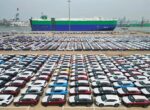
China’s record-breaking automotive export performance last year is likely to be surpassed.