






















Amid a fiercely competitive global automotive market, Ford Motor has boldly announced a strategic shift, streamlining its product lineup and ending its era of mass diversification.
Rather than striving to cover every segment, the American automaker is now focusing its efforts on high-profit vehicles, marking a significant business realignment to optimize long-term financial performance.
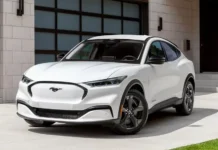
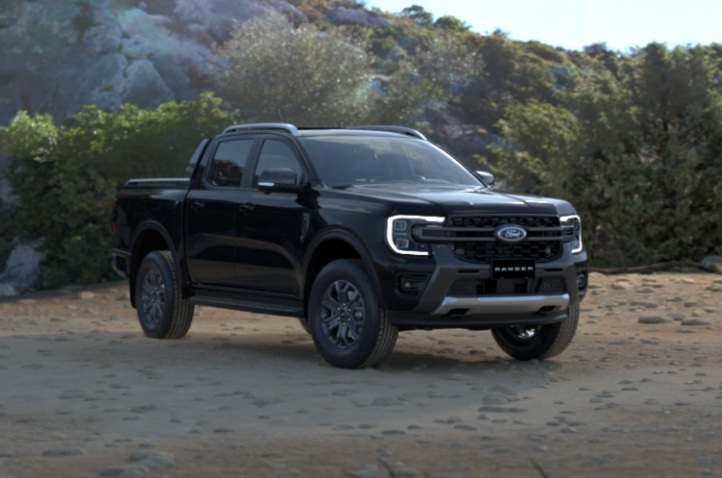
CEO Jim Farley candidly acknowledged that Ford has withdrawn from the fiercely contested affordable compact car segment, dominated by Asian rivals like Toyota and Hyundai. According to Farley, maintaining low-margin vehicles is no longer sustainable due to rising production costs and intense competition. Instead, the company will channel its resources into iconic, emotionally resonant models such as trucks, SUVs, and legendary brands like Mustang and Bronco. These vehicles not only boast strong brand equity but also deliver superior profit margins.

Historically, maintaining an overly broad product portfolio has burdened Ford with financial strain, hindering its ability to meet profit targets. The decision to discontinue underperforming mainstream models is part of a broader restructuring plan, balancing electric vehicle ambitions with the realities of internal combustion engine sales. Despite investing billions in electric vehicles, Ford recognizes the sector’s high capital requirements and extended payback periods. Sustaining steady revenue from high-profit traditional vehicles is essential for its survival and growth.
Ford’s move reflects a broader industry trend, as many major players shift focus to SUVs, trucks, and high-performance vehicles to engage loyal customers and elevate brand prestige. By exiting the low-cost segment, Ford is prioritizing capital efficiency, embracing a strategy of selling fewer but higher-quality vehicles to strengthen its position in a volatile global market.
Vingroup: Pioneering the Green Transportation Revolution in Vietnam

In alignment with the Politburo’s initiative to encourage private sector involvement in key economic areas, 2025 marks a pivotal year for Vingroup as it fully commits to a sustainable development roadmap.
Lotus and Zeekr Set to Enter Vietnam’s Market in 2026

At the Tasco Mobility Day 2025 event held on December 27th in Hanoi, Tasco Auto officially unveiled its ambitious plan to expand its product portfolio in the Vietnamese market for 2026.
VinFast Launches “0 Down Payment” Car Purchase Program with Installment Options Throughout 2026

“Drive into the future with VinFast’s groundbreaking ‘0 Dong Car Purchase’ policy. This revolutionary initiative empowers everyone to own a VinFast electric car or motorcycle with absolutely no initial capital required. Experience the freedom of sustainable mobility, made accessible for all.”
10 Transformative Policies Shaping Vietnam’s Automotive Industry by 2025

The year 2025 marks a pivotal moment for Vietnam’s automotive industry, driven not only by market volatility and the rapid rise of electric vehicles but, more significantly, by the increasingly influential role of government policies in shaping its trajectory.
VinFast Hai Phong Factory Rolls Out 200,000th Electric Vehicle in 2025

VinFast’s Hai Phong manufacturing complex has officially rolled out its 200,000th electric vehicle this year, solidifying its position as Vietnam’s top-selling car brand for over a year, with a significant lead over all other automotive competitors.