







China’s automotive industry is on the brink of a brutal “shakeout,” expected to peak in 2026.
After years of rapid growth fueled by massive government subsidies, the world’s largest electric vehicle market is beginning to show cracks due to overproduction and a prolonged price war. Observers predict that 2026 will not only test sales figures but also mark a true survival battle, forcing dozens of loss-making automakers to exit the market if they cannot stand on their own.
Economists forecast a 5% drop in new vehicle deliveries in China next year, the steepest decline since 2020. This is primarily due to the government’s phased reduction of direct subsidies and the lingering effects of past overproduction. Financial reports reveal that approximately 50 electric vehicle manufacturers are suffering heavy losses and face the risk of downsizing or declaring bankruptcy as capital dries up.
The entire Chinese automotive industry is now holding its breath, awaiting Beijing’s next policy moves, particularly the decision on extending the $2,900 (76.2 million VND) vehicle trade-in subsidy, expected to be announced in January 2026. Additionally, the special consumption tax exemption, which ends this year, will tighten to a 5% preferential rate in the next phase.
The fierce price war among domestic brands has made electric vehicles more accessible to consumers but has also become a double-edged sword, eroding profits. Excessive investment in research and development (R&D) and the race to launch new products have left only a handful of automakers in the black. According to AlixPartners, just 10% of Chinese electric vehicle brands are expected to maintain profitability in the coming years.
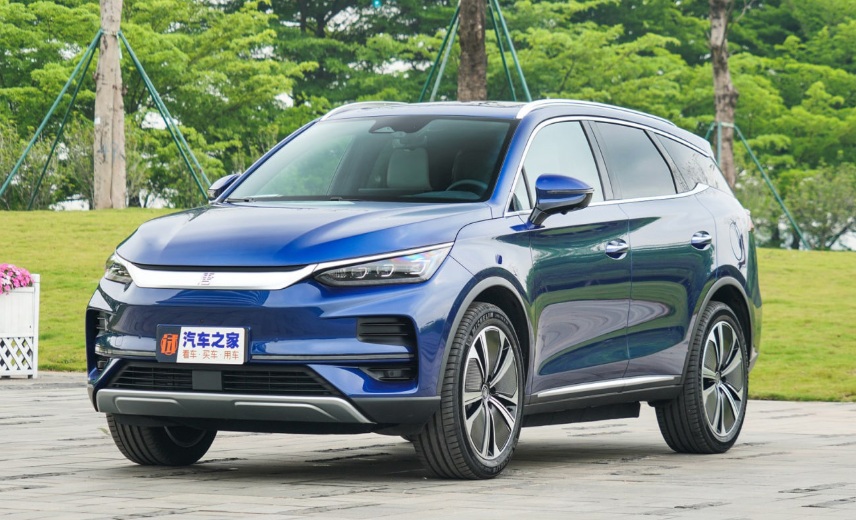
Amid this shakeout, the few profitable giants like BYD, Seres, and Li Auto are ramping up exports to seek new growth opportunities abroad. This strategy is seen as a lifeline and a way to expand their survival space as the domestic market becomes increasingly crowded and harsh. The era of easy capital raises is over, giving way to a harsh reality: only companies with optimized supply chains and breakthrough products stand a chance of surviving beyond 2026.
TH (Tuoitrethudo)
BYD Hits Sales Target, Poised to Overtake Tesla as the World’s Largest Electric Vehicle Manufacturer by 2025
BYD sold nearly identical volumes of battery electric vehicles (BEVs) and plug-in hybrid electric vehicles (PHEVs), with each category reaching approximately 2.26 million units.
Xiaomi Invests $16 Million in Dealer Bonuses Following Milestone of 500,000 Vehicle Production
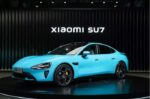
Xiaomi recently made headlines by allocating over 100 million Chinese yuan (approximately $14 million USD) in direct bonuses to its auto dealership network across China.
BYD’s October 2025 Sales Surge to Triple Tesla’s Premium Segment Performance
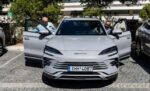
The European automotive market is undergoing a seismic shift as BYD reports remarkable growth in October 2025, starkly contrasting Tesla’s significant decline during the same period.
BYD Reaches Milestone: 70,000th Vehicle Rolls Off the Assembly Line in Thailand
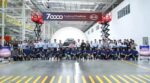
BYD’s manufacturing plant in Rayong, Thailand, has reached a significant milestone by rolling out its 70,000th vehicle, just over a year since its operations began.
“90-Degree Rotating Screen: A Gimmick Feature Set to Disappear from BYD Vehicles”

BYD’s decision to discontinue the rotating screen in its vehicles marks a pivotal shift toward a more streamlined and seamless interior technology experience.