











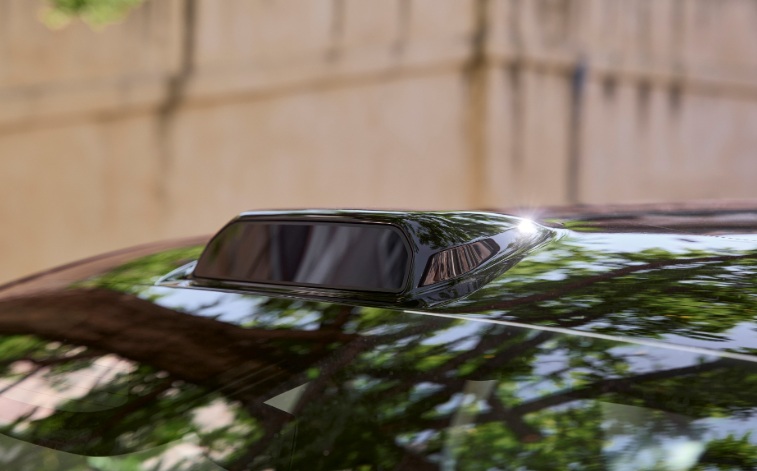
Just weeks after losing a critical supply contract with Volvo, Luminar, once a leader in the race to commercialize LiDAR technology for automobiles, has officially filed for bankruptcy protection.
This development underscores the challenges faced by tech companies in the automotive industry, where real-world adoption is slower than anticipated, and financial pressures continue to mount.
According to a statement from Luminar, the company has filed for Chapter 11 bankruptcy in the U.S. Bankruptcy Court for the Southern District of Texas. Legal filings reveal that the company’s total assets are estimated between $100 million and $500 million, while its liabilities range from $500 million to $1 billion. This move is seen as a comprehensive restructuring effort, given the company’s weakened cash flow and business prospects.
Notably, this event comes just seven months after founder Austin Russell stepped down as CEO and approximately five years after Luminar went public with a valuation surpassing $3 billion. As part of the restructuring plan, the company is seeking a buyer for its LiDAR business and has already agreed to sell its subsidiary, Luminar Semiconductor, for $110 million.
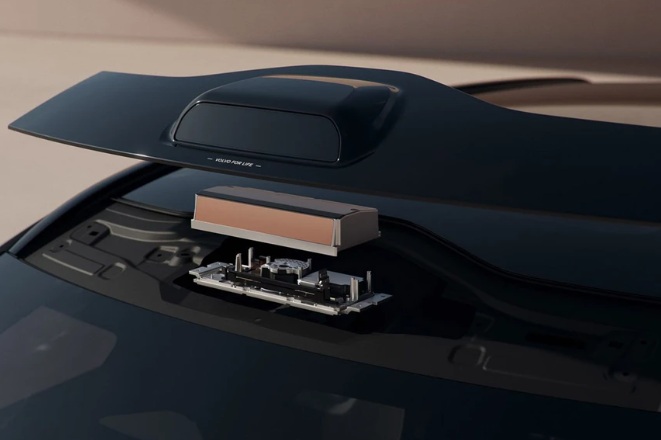
Paul Ricci, Luminar’s current CEO, stated that the leadership team explored all viable options before deciding to sell assets under court supervision. He emphasized that this approach is the best way to maximize remaining value for the company while ensuring product quality, reliability, and customer service throughout the restructuring process.
Despite filing for bankruptcy, Luminar assures that its business operations remain uninterrupted. The company continues to deliver LiDAR hardware and software to existing customers and maintains employee wages and benefits. However, Ricci acknowledged that over the past six months, despite tightening operational discipline and cutting costs, Luminar has been heavily burdened by accumulated debt and the slow market adoption of LiDAR technology.
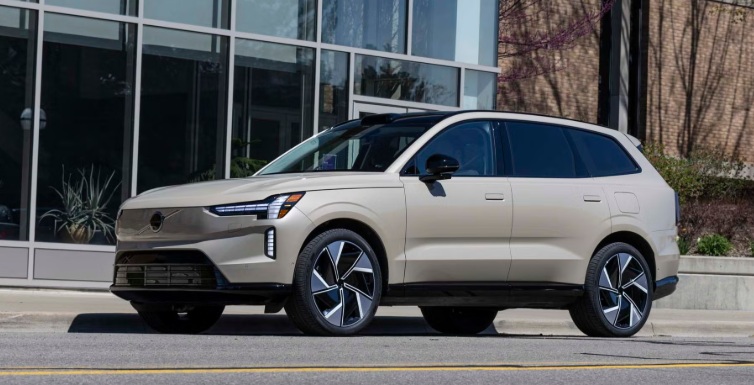
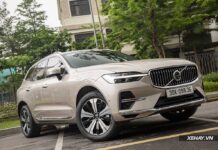
The direct cause of Luminar’s downfall is attributed to Volvo’s decision to withdraw its support. In November, the Swedish automaker announced it would eliminate LiDAR sensors from its flagship models, the 2026 ES90 and EX90, citing lower-than-expected market demand and Luminar’s failure to meet hardware supply commitments. Losing this key partnership from a leading luxury brand left Luminar in a state of financial distress.
The fall of a once-leading player like Luminar serves as a stark reminder of the fierce competition in the automotive technology sector. It highlights that even the most promising contenders can be ousted if they fail to adapt to the industry’s real-world commercialization pace.
Revolutionary Rectangular Steering Wheel: Peugeot’s Bold Innovation Set to Debut on the New 208

Peugeot is taking a significant leap forward by introducing its innovative Hypersquare rectangular steering wheel to commercial vehicle models.
BMW and Mercedes Dominate South Korea’s Imported Car Market

In the first eight months of 2025, BMW and Mercedes continued their dominance in South Korea’s imported car market.
Is the Physical Rotary Knob in Cars on the Verge of Disappearing?
The physical rotary dial, once hailed as the pinnacle of efficiency for interacting with in-car infotainment systems, is increasingly becoming a relic of the past in modern vehicles.
“The Armored SUV by Volvo”
From the outside, the armored XC60 and XC90 are indistinguishable from their regular counterparts.
A Man Claims Volvo’s Speaker Caused Permanent Hearing Loss
This man filed a lawsuit, alleging that the incident was due to a manufacturing defect that Volvo was aware of but failed to disclose or rectify for its customers.