





Mercedes-Benz attributes the issue to multiple factors, including early production challenges and external influences such as current voltage fluctuations in charging infrastructure. Essentially, the high-voltage batteries in question lack sufficient durability.
In the event of a thermal incident, a warning notification will flash on the dashboard. Thermal events can also occur while the vehicle is parked. MBAG began investigating the issue in 2023 after receiving reports of fires in other markets.
Mercedes-Benz Recalls EQB Models Due to Potential Internal Battery Faults
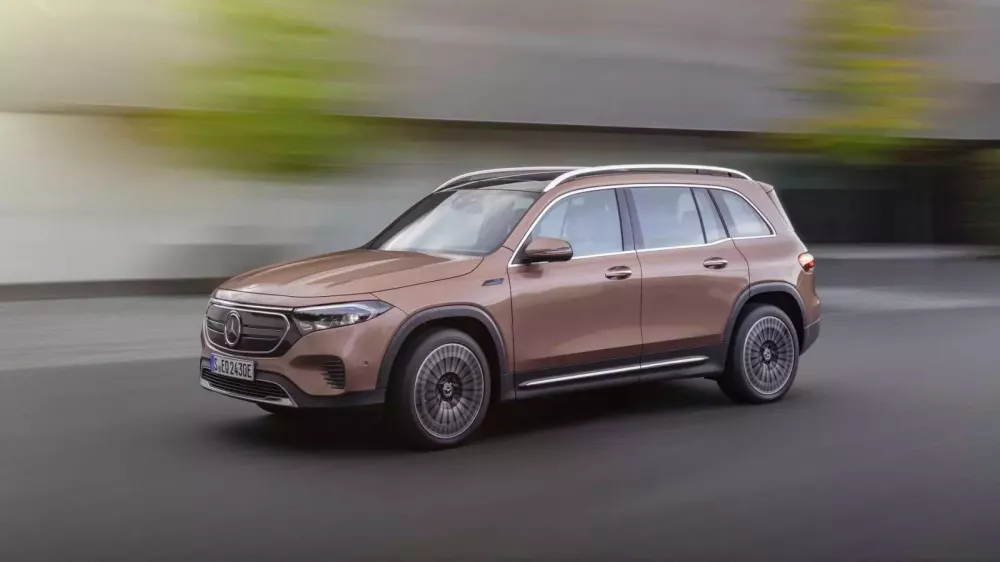
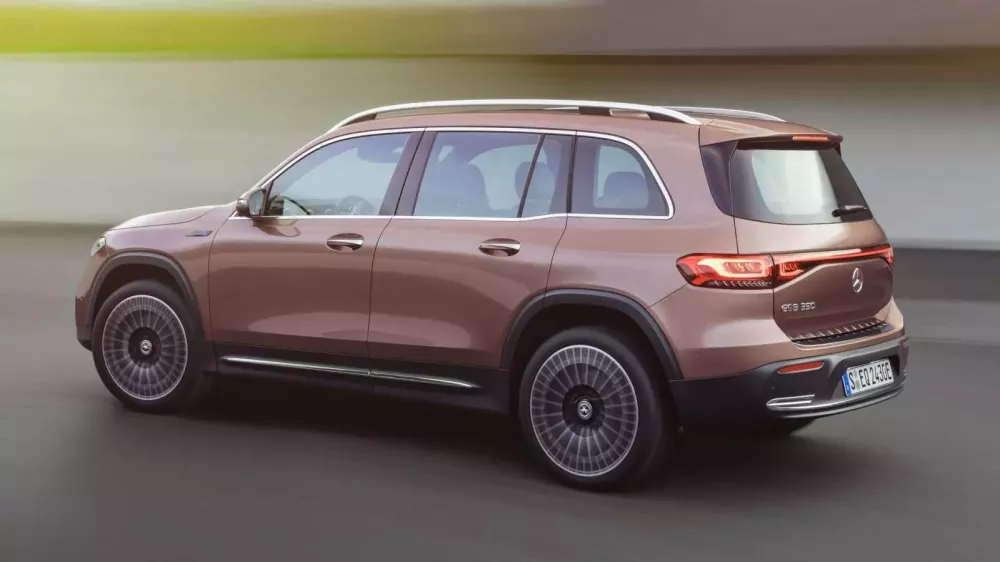
To date, Mercedes-Benz USA has received two recall reports in the U.S. market, dated January 16, 2025, and June 24, 2025. The total number of affected vehicles in this recall is 169. The impacted models include the base 250, mid-range 300 4MATIC, and top-tier 350 4MATIC variants.
These vehicles were manufactured between December 13, 2021, and January 23, 2024, at the Mercedes-Benz Kecskemet plant in Hungary. Meanwhile, the GLB models with internal combustion engines for the North American market are produced at the COMPAS plant in Mexico. The COMPAS assembly complex is expected to be sold to BYD or SAIC in the near future.
Mercedes claims that the supplier optimized the battery production process on July 31, 2024. However, instead of replacing the batteries, Mercedes dealers will update the battery management software. In the interim, customers are advised to charge their batteries to no more than 80% until the remedy is implemented.
It’s important to note that Mercedes-Benz’s official documentation for the 2022 and 2023 EQB models includes an 8-year warranty for the high-voltage battery. If the battery capacity drops more than 30% from its original capacity during the warranty period, the battery certificate will cover repair or replacement costs.
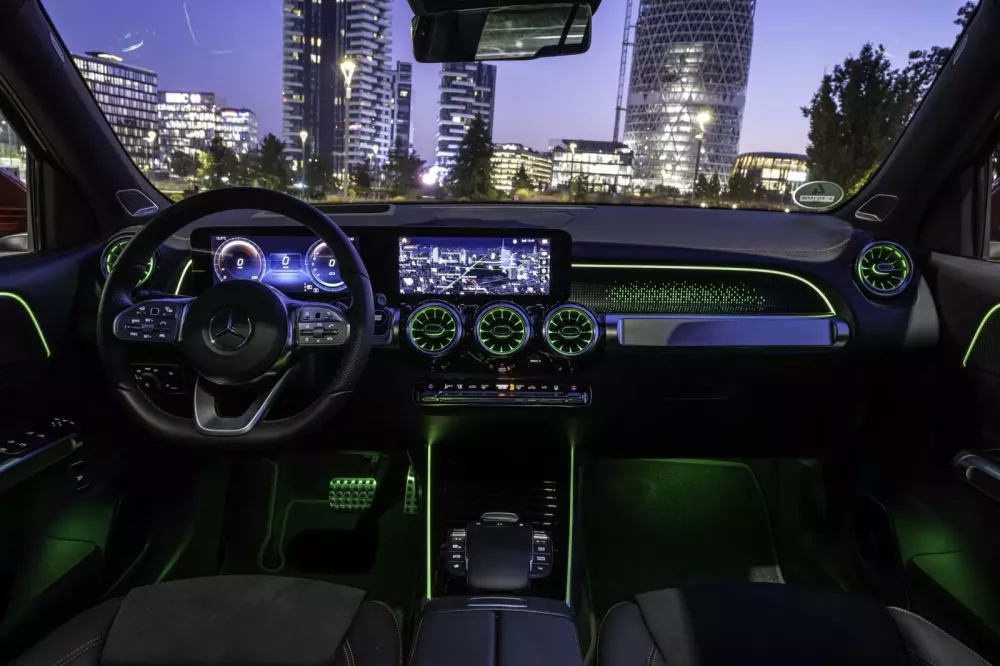
As a compact vehicle seating up to seven, the EQB is derived from the GLB and boasts a claimed range of up to 250 miles (402 km) in EPA testing, powered by a maximum capacity of 70.5 kilowatt-hours. Opting for the 300 4MATIC or 350 4MATIC variants results in a slightly reduced range.
The 250 variant starts at $53,050, excluding shipping and taxes, a price point close to the base model of the 2026 Kia EV9. Unlike the Mercedes, the EV9 is a midsize crossover offering ample legroom for second and third-row passengers.
The EQB will be replaced by an all-new GLB with EQ technology in 2027. The first units are expected to arrive at dealerships by late 2026.
China Bans Hidden Door Handles by 2027: A Costly Lesson in Electric Vehicle Safety
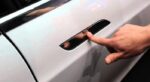
China is taking a significant step forward in enhancing automotive safety standards, with plans to completely ban hidden door handles by 2027.
Mercedes Unimog at 80: From Farm Workhorse to Ultra-Luxury SUV

To celebrate 80 years of market presence, Mercedes-Benz has unveiled an unprecedented, luxurious edition of the Unimog.
“Mini” Mercedes-Benz G-Class EQ 2027 Spotted on the Road for the First Time

Mercedes-Benz is crafting a more compact, city-friendly iteration of its iconic G-Class, designed to seamlessly navigate urban landscapes while retaining the legendary essence of the original.
The Great Debate: Traditional vs. Modern Door Locks Ignited by Xiaomi SU7 Accident

A devastating accident involving a Xiaomi SU7 Ultra in Chengdu, Sichuan, China, has sparked intense debate over the safety and emergency escape capabilities of modern electric vehicles. The incident, which resulted in one fatality, raises critical questions about the reliability of these advanced vehicles in high-risk situations.
BMW and Mercedes Dominate South Korea’s Imported Car Market
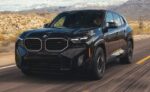
In the first eight months of 2025, BMW and Mercedes continued their dominance in South Korea’s imported car market.