

























BMW recently made headlines by filing a patent for a unique screw featuring the brand’s iconic logo as its head.
Instead of conventional hex or Phillips designs, this screw is divided into four sections with alternating recessed and flat surfaces, requiring specialized tools for installation and removal. This move has sparked concerns that the automaker is intentionally restricting DIY repairs and limiting access for independent service shops.
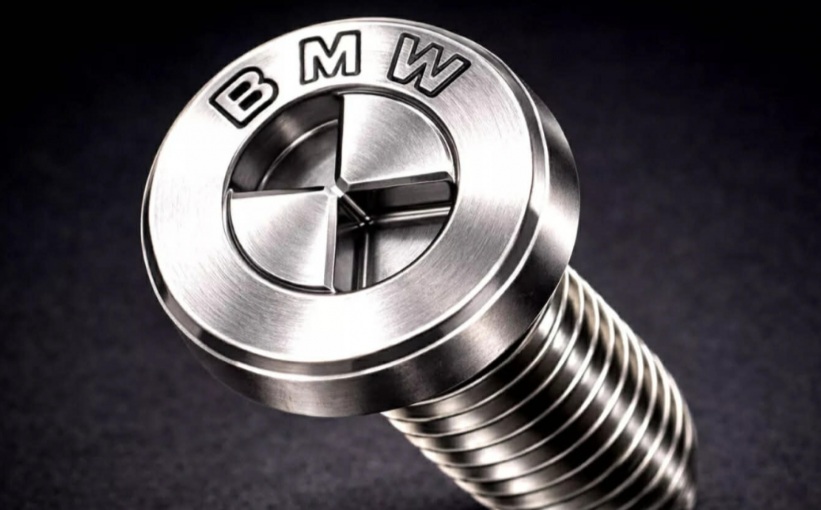
According to the patent filing, BMW plans to use these “proprietary” screws in critical structural and semi-structural locations, such as seat mounts and interior-to-body connections—areas frequently accessed during maintenance or upgrades. By introducing a proprietary fastener, BMW effectively forces vehicle owners and third-party technicians to rely on authorized dealerships for even minor technical tasks, as standard tools become incompatible.
The patent news quickly ignited debates across social media and automotive forums. Many expressed concerns that this design, if implemented, would increase dependency on official service networks, driving up repair costs. Others approached the issue with humor, predicting that aftermarket tools would soon surface on e-commerce platforms if BMW proceeds with the screw’s production.
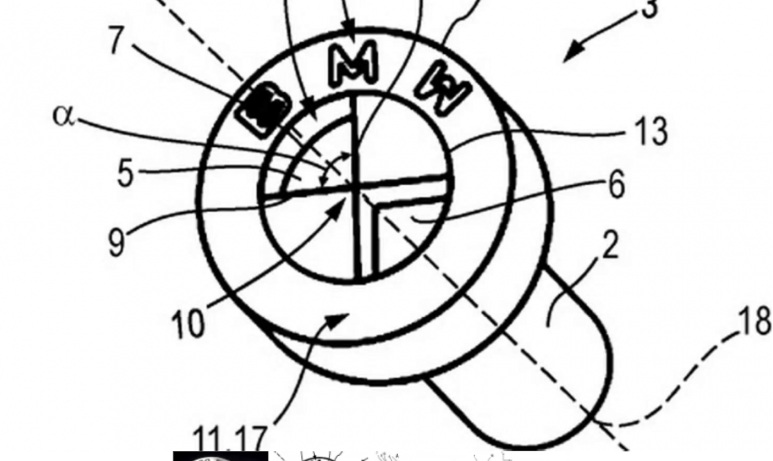
Industry experts caution, however, that patent filings do not guarantee real-world application. Numerous BMW patents have remained conceptual for decades without ever appearing on production vehicles. While this design could enhance aesthetics or security, its implementation would pose significant cost challenges for customers prioritizing at-home maintenance flexibility.
TH (Tuoitrethudo)
Unveiling the Studio Behind BMW’s Iconic Designs

Few realize that iconic models like the 8 Series (E31), 3 Series (E46), and X5 (E53) weren’t entirely born at BMW’s Munich headquarters.
Electric Car “Frozen” by Water in Trunk: Repair Costs Rival Price of Used Toyota Corolla

A mere splash of water caused a Lucid electric vehicle to experience a critical malfunction, triggering a cascade of alerts, yet the manufacturer refuses to cover the repair costs.
Bugatti Chiron Pur Sport Crashes, Repair Costs Leave Internet Users Stunned

The Bugatti Chiron Pur Sport stands as the pinnacle of high-performance engineering within the iconic Chiron hypercar lineage, unveiled by the renowned French marque in 2020.
BMW and Toyota Were Right: All-In Bet on Electric Vehicles Is a Mistake
While many automakers rush to declare the internal combustion engine obsolete, BMW and Toyota have steadfastly pursued their own path. Now, their unwavering strategy is paying dividends.
BMW and Mercedes Dominate South Korea’s Imported Car Market

In the first eight months of 2025, BMW and Mercedes continued their dominance in South Korea’s imported car market.