















The global electric vehicle market witnessed a historic turning point as Tesla released its 2025 business data, revealing significant declines.
Disappointing Q4 results painted a bleak financial picture for the year, causing Elon Musk’s automaker to lose its title as the world’s largest pure electric vehicle (BEV) manufacturer to Chinese rival BYD.
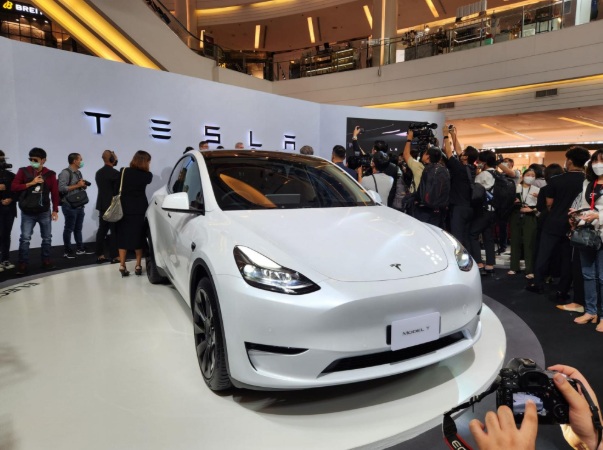
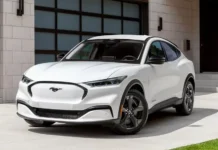
Specifically, in the final quarter of 2025, Tesla delivered only 418,227 vehicles, a 15.6% drop compared to the same period last year. This figure not only fell short of the 422,850 units predicted by analysts but also dragged the full-year total down to 1.63 million, an 8.6% decrease from the 1.79 million achieved in 2024. While Tesla has yet to comment in detail ahead of its full financial report on January 28th, observers attribute the decline to a “double blow” from federal tax credit reductions and fierce competition from emerging rivals.
Additionally, controversial statements by CEO Elon Musk are believed to have alienated some loyal customers.
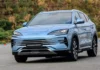
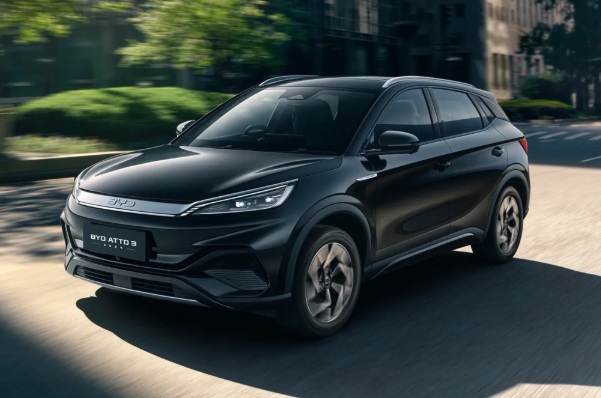
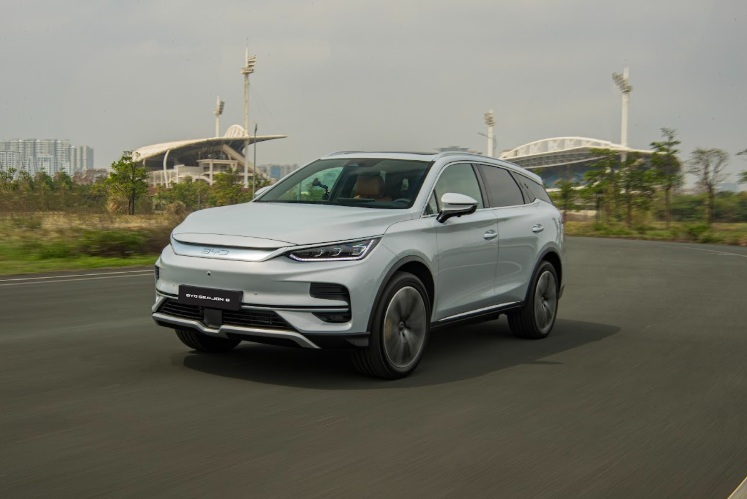
In stark contrast to Tesla’s downturn, BYD experienced a breakout year in 2025, delivering 2.26 million pure electric vehicles, a 28% increase year-over-year. BYD’s remarkable surge has established a new world order in the electric vehicle landscape. Including plug-in hybrids (PHEVs) and commercial vehicles, the Chinese automaker’s total volume reached a record 4.55 million units, far surpassing Tesla’s exclusive focus on pure electric vehicles.
Despite challenges in its core automotive business, Tesla found a bright spot in energy storage. In Q4 2025, the company achieved a record storage capacity of 14.2 GWh, contributing to a full-year total of 46.7 GWh, a significant increase from 31.4 GWh in 2024. However, this growth was insufficient to offset the disappointment from its flagship electric vehicle segment.
Tesla’s defeat by BYD is more than a numbers game; it reflects a shift in the global automotive industry’s power dynamics. While Western automakers grapple with cost and policy challenges, Chinese players like BYD are leveraging supply chain advantages to expand their influence, despite intense domestic competition.
TH (Tuoitrethudo)
BYD Surpasses Tesla to Become the World’s Largest Electric Vehicle Manufacturer
Tesla’s global sales dipped by nearly 9% in 2025, totaling 1.64 million vehicles. Meanwhile, BYD surged ahead with a 28% increase, delivering over 2.25 million units worldwide.
Forecast: Around 50 Chinese Electric Vehicle Brands to Downsize or Face Bankruptcy
The Chinese automotive industry is poised for a brutal “shakeout,” with a significant surge expected to unfold by 2026.
BYD Hits Sales Target, Poised to Overtake Tesla as the World’s Largest Electric Vehicle Manufacturer by 2025
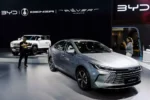
BYD sold nearly identical volumes of battery electric vehicles (BEVs) and plug-in hybrid electric vehicles (PHEVs), with each category reaching approximately 2.26 million units.
Xiaomi Invests $16 Million in Dealer Bonuses Following Milestone of 500,000 Vehicle Production
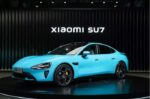
Xiaomi recently made headlines by allocating over 100 million Chinese yuan (approximately $14 million USD) in direct bonuses to its auto dealership network across China.
Tesla Marks Two Years Since Cybertruck Launch, but a Third Birthday May Not Be in the Cards

Tesla unveiled the Cybertruck in 2019 to thunderous applause, with thousands of pre-orders flooding in as soon as Musk left the stage. Yet, after two years, its sales have plummeted to such dismal levels that even the most optimistic supporters are left in disbelief.