




























Most people imagine car paint damage as dramatic incidents, like a shopping cart scrape leaving a deep gouge on the door or an inattentive driver bumping into the bumper while parking. However, in reality, there are numerous factors that can affect your car’s exterior paint in ways you might not expect.
Car paint rarely fails suddenly; instead, it fades, becomes dull, corrodes, and wears down due to everyday familiar agents that most of us overlook. Sunlight can dry out and oxidize the clear coat. Bird droppings dry into acidic patches. Tree sap hardens like cured resin. Even the seemingly harmless act of washing your car can cause significant damage if done incorrectly. Modern car paint is more advanced and durable than it was decades ago, but it’s also thinner and subject to more environmental regulations, which narrows its resilience.
Here are 10 silent threats to your car’s paint, from dirt and chemicals to weather conditions and maintenance habits, that gradually break down the finish. Understanding these risks will help you keep your car looking its best.
Sunlight and UV Rays
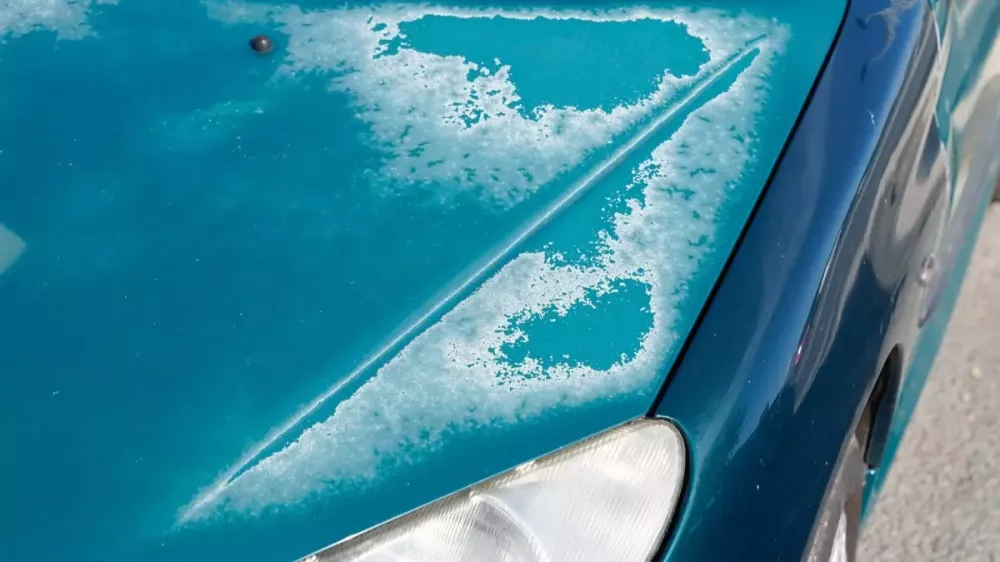
Direct sunlight is one of the most underestimated threats to car paint. UV rays break down the clear coat at a molecular level, making it brittle, chalky, and faded. This damage doesn’t happen suddenly, so it’s rarely noticed early. Instead, the surface gradually loses its gloss before becoming oxidized, turning dull and blotchy. Darker paint colors are more affected as they absorb more heat, but all surfaces degrade over time when exposed to prolonged sunlight. High temperatures accelerate this process, drawing moisture out of the paint and causing premature aging.
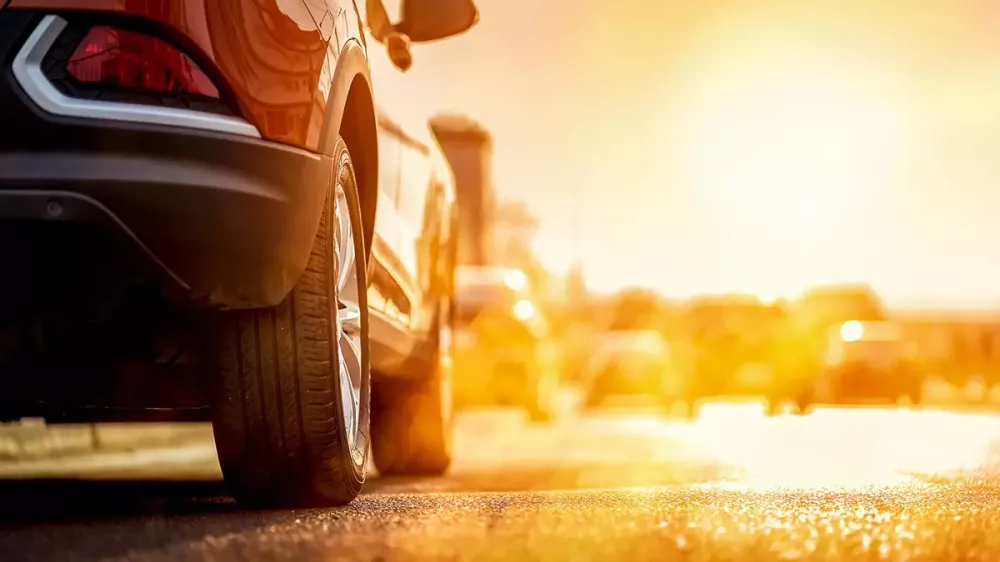
Parking outdoors in the sun for extended periods can damage your car’s paint.
Daily outdoor parking exacerbates the issue, especially in hot climates where car panels can reach extreme temperatures. Regular washing helps remove dirt that worsens UV damage. Meanwhile, wax or sealant creates a sacrificial barrier, slowing the process. Even parking in the shade significantly extends paint life. UV-induced paint wear is slow but irreversible once it occurs, often requiring professional polishing or intervention. Prevention is always easier than reversing the effects of faded paint.
Bird Droppings and Bug Splatter
Bird droppings and bug splatter are often seen as minor nuisances, but they are among the most aggressive natural enemies of car paint. Bird droppings contain uric acid strong enough to corrode the clear coat very quickly. When dried, they leave permanent stains in their original shape.
Bug splatter is similar. On long trips, the front of the car accumulates a lot of bug remains. The good news is they don’t cause damage immediately upon impact. Instead, harm occurs when left on the surface for too long after the trip. Many car owners worsen the situation by wiping them dry with a cloth, inadvertently grinding acid and debris into the clear coat. The safest method is to soften and lift the bugs using water or a specialized solution. Even well-maintained cars can develop blemishes if these substances remain on the surface for more than a few hours. Early removal prevents permanent damage.
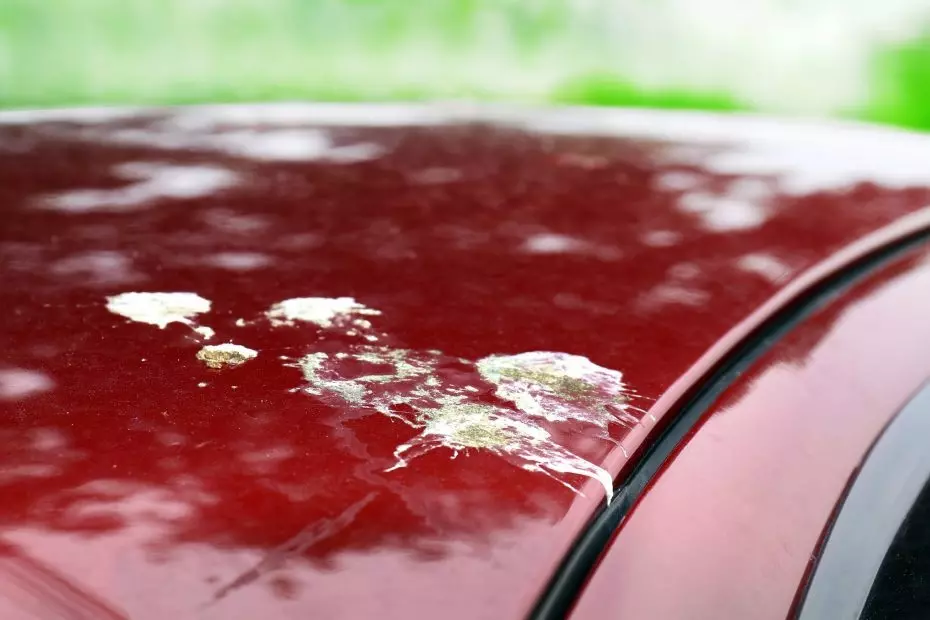
Bird droppings…
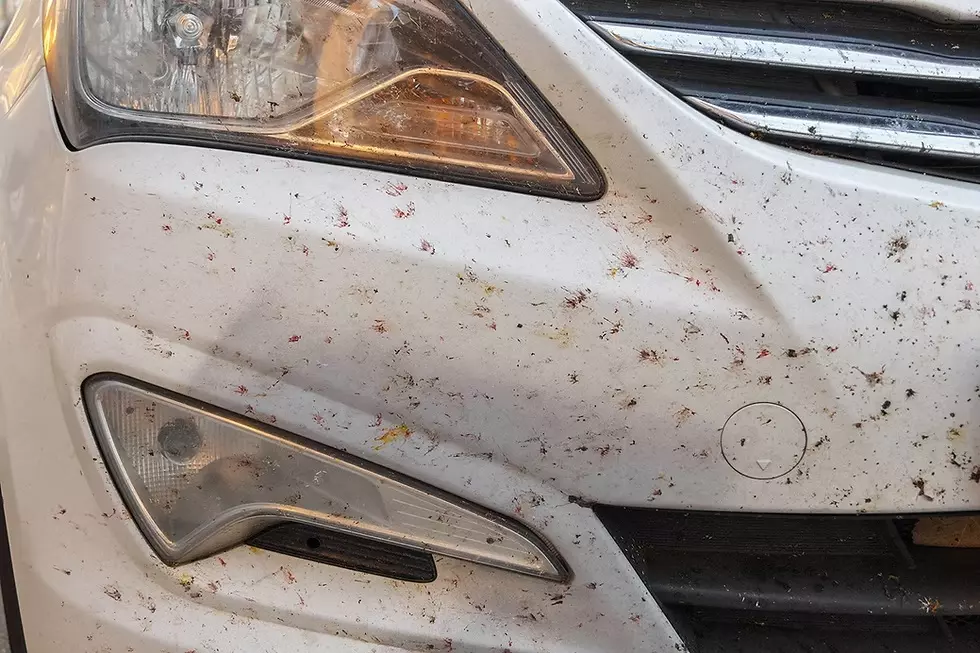
…and bug splatter are arch-enemies of car paint.
Hardened Tree Sap
Fresh tree sap is sticky, but when exposed to sunlight and air, it hardens like cured resin. Chemically, tree sap acts like glue, more stubborn and persistent than anything 3M has ever produced. Once fully hardened, removing it without damaging the paint is extremely difficult. Sap not only sits on the paint surface but also adheres tightly, trapping dirt underneath and creating a rough patch that affects the smoothness of the clear coat.
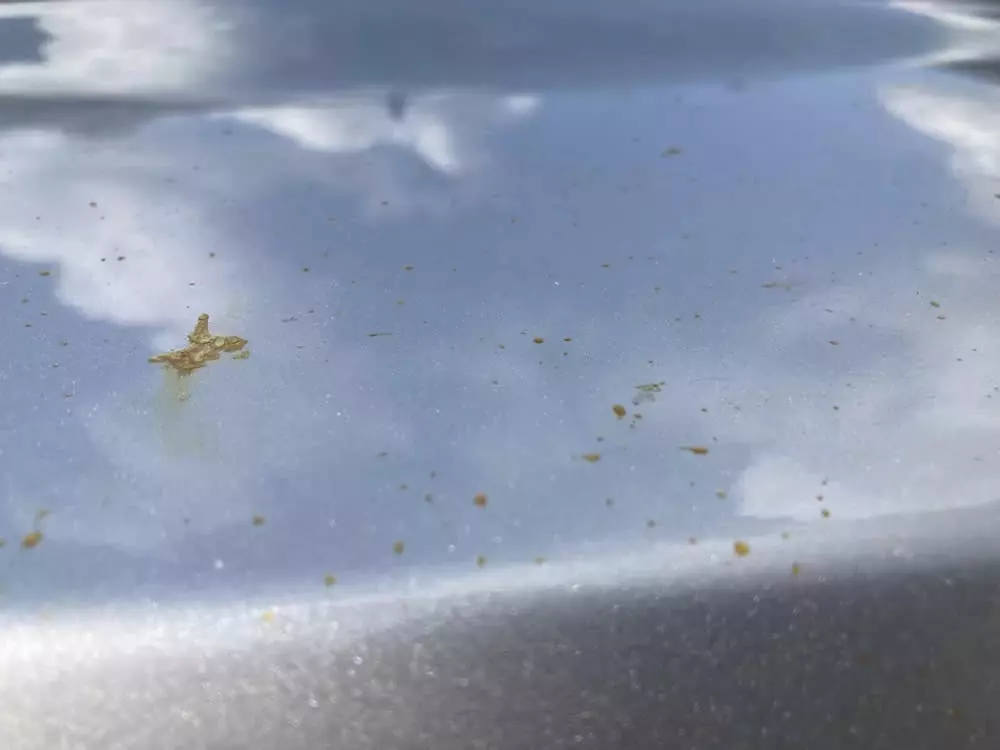
Hardened tree sap stubbornly clings to the paint surface, causing damage.
Scraping or rubbing hardened sap often leads to scratches or peeling because it pulls off the surrounding paint when removed. Thus, cars parked under pine or maple trees often have stubborn spots that are hard to wash. Even small droplets can leave permanent textures. The safe approach is to soften the sap with a recommended solution and patiently wait for it to break down before removal. Rushing almost always causes more harm. Severe cases may require professional polishing or repainting. Prevention is simple: avoid parking under sap-heavy trees.
Road Debris
When a pebble hits your car at high speed, the sound may be small, but the damage isn’t. Think of road debris as “projectiles” testing your paint’s durability at 80 mph. A chip can penetrate the clear coat and primer, exposing the underlying metal. When metal meets moisture and oxygen, oxidation begins, gradually forming rust. Initially, the scratch may be tiny but silently spreads under the surrounding paint, weakening the bond until the paint blisters or peels.
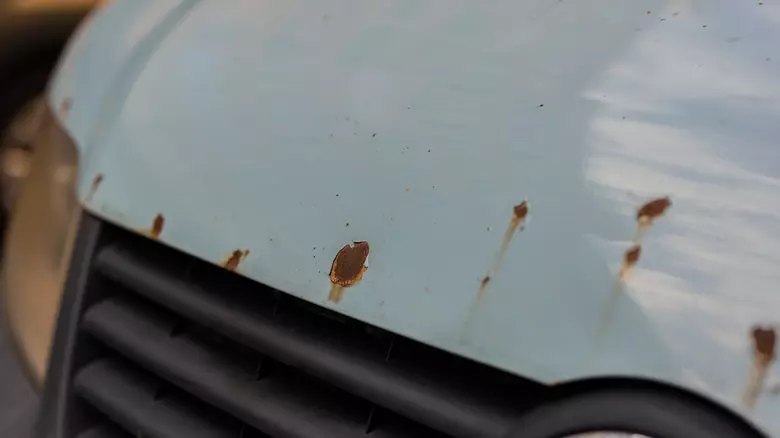
Road debris is a common cause of rust on your car.
Areas around wheel wells, rocker panels, bumpers, and lower door sections are most affected. Even seemingly harmless chips can develop into long-term corrosion issues. Touch-up paint seals exposed metal, but multiple or dense chips often require sanding or refinishing to prevent deeper deterioration. The sooner you address it, the less chance rust has to take hold.
Spilled Fluids
In short: if you spill brake fluid on your car’s paint, address it immediately. Chemical damage is often overlooked because incidents seem minor, but some fluids can ruin paint very quickly. Gasoline can dissolve wax and leave blotchy stains, while brake fluid is equally aggressive, depending on its formula, it can soften or wrinkle the paint.
This often happens during rushed refueling or DIY maintenance. The situation worsens when people choose to wipe it off instead of rinsing. Rubbing spreads the chemical and grinds dirt into the paint, causing deeper damage.
Household cleaners are also silent dangers, such as oven cleaners, degreasers, or strong solvents not intended for car surfaces. They can strip protective layers or discolor paint in seconds.
The safest response to any chemical spill is to rinse with plenty of water immediately, then wash gently. Acting quickly helps avoid long-term damage.
Using the Wrong Cleaning Products
Many people damage their car’s paint not through neglect, but by using the wrong car care products. Dish soap is a “destroyer,” stripping away wax and leaving the paint bare. Paper towels and bath towels grind dirt into the surface, creating microscopic scratches that accumulate into swirl marks. Multipurpose household cleaners may clean quickly but are not designed for car surfaces and often remove protective layers.
Automatic car washes pose another risk: spinning brushes collect abrasive particles from every previous car, turning them into paint scrapers. Recycled water can also carry grit that causes scratches, even if you don’t notice immediately. Over time, these tiny scratches accumulate into a hazy layer, dulling the entire car. Convenience is real, but it reignites the age-old debate about whether automatic car washes damage paint.
Environmental Pollutants
If you drive daily in the city, industrial areas, or near construction sites, be aware that your car’s paint may be gradually “marinated” in brake dust, metal particles, soot, and fallout. According to professional car care experts, these substances not only sit on the clear coat but also adhere tightly, embedding into the surface until the paint is no longer smooth. Worse, with tiny metal particles in the air, regular washing is not enough; an alkaline solution is needed to neutralize the stubborn oxalic acid.
Parking near railways, factories, or areas with poor air quality means your car will have adhesive contaminants whether you notice or not. Even with weekly washing, removal is difficult. Ignoring them only causes the paint to gradually turn from glossy to dull.
Severe Weather and Temperature Fluctuations
If you think rain and snow are the only risks, think again. Paint is not just decorative; it’s a thin layer over metal that expands when hot and contracts when cold. This natural cycle becomes harsh when weather changes quickly and drastically. Repeated expansion and contraction can create microscopic cracks in the clear coat, which gradually widen into larger cracks or peeling.
Combined with intense sunlight and UV rays, you have a recipe for fading, chalking, and clear coat failure, especially with darker paint colors. Even in cold regions, don’t be complacent, as freezing temperatures make paint hard and brittle. A chip from road debris on a cold morning can crack what would remain flexible in warmer conditions.
The worst part is the damage doesn’t appear immediately: a barely visible crack here, a faded panel there, they accumulate until the once-glossy surface now looks like weathered plastic.
Human Contact
Daily interactions leave more marks than you think. Rings, zippers, belts, bags, backpacks, and more can create scratches when they rub against the paint. Door handle areas often accumulate many fingernail marks. Even leaning against the car can grind dirt into the paint and leave dull patches.
Tiny scratches around door handles, faint rubs near the trunk, or small streaks along the doors are not mysteries but predictable consequences of personal items contacting the paint in daily life. These light scratches from hard or gritty objects are not disasters, but they appear on all paint colors, and darker cars make them more noticeable.
Drivers usually only notice them when sunlight hits at the right angle. The good news is most of these scratches are shallow and can be addressed with polishing or paint correction.
Improper Washing Techniques
Many scratches on well-maintained cars come not from gravel, falling branches, or debris, but from… washing. Not the washing itself, but how it’s done. Dragging dirt across the paint, wiping with a dry cloth, reusing a dirty sponge, or rubbing with any convenient fabric can all damage car paint. Professional car care literature agrees that improper washing and drying are the primary causes of swirl marks, micro-marring, or clear coat scratches.
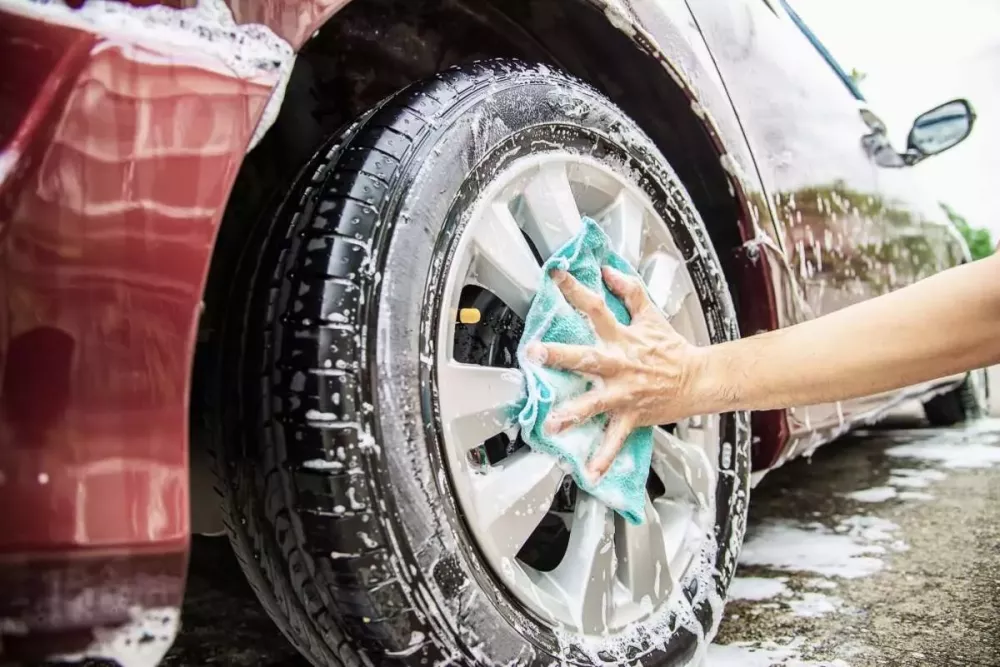
Improper washing techniques are a common cause of car paint damage.
Improper washing techniques can silently damage paint more than harsh weather or road debris. Even good products cause harm when used carelessly. A super-soft cloth dropped and reused can carry grit that causes scratches. Drying with a bath towel leaves fine lint and fibers. The two-bucket method, washing in straight lines, and drying with a clean microfiber cloth significantly reduce risks, but many skip these steps due to habit or impatience.
Over time, improper washing makes car paint dull and can only be restored through polishing. Careful washing takes more time but protects the paint better than any protective product. This is also a basic car care foundation you should master before seeking advanced cleaning tips online.