


























China’s automotive industry is on the brink of a brutal “shakeout,” poised to intensify dramatically by 2026.
After years of explosive growth fueled by massive government subsidies, the world’s largest electric vehicle market is now fracturing under the weight of overproduction and a prolonged price war. Analysts predict that 2026 will not only test sales figures but also mark a survival-of-the-fittest battle, forcing dozens of loss-making automakers to exit the market if they fail to stand on their own merits.
Economists forecast a 5% drop in new vehicle deliveries in China next year, the steepest decline since 2020. This downturn is primarily attributed to the government’s phased reduction of direct subsidies and the lingering effects of past overproduction. Financial reports reveal that approximately 50 EV manufacturers are grappling with severe losses, facing the grim prospect of downsizing or declaring bankruptcy as capital reserves dwindle.

The entire Chinese automotive sector is holding its breath for Beijing’s next policy moves, particularly the anticipated January 2026 announcement on extending the $2,900 (76.2 million VND) trade-in subsidy. Additionally, the special consumption tax exemption is tightening, with the 10% waiver ending this year and transitioning to a 5% benefit for the subsequent period.
While the fierce price war among domestic brands has made EVs more accessible to consumers, it has also become a double-edged sword eroding profitability. Excessive investment in R&D and the race to launch new models have drastically shrunk the list of profitable automakers. AlixPartners’ research indicates that only 10% of Chinese EV brands are likely to sustain profitability in the coming years.
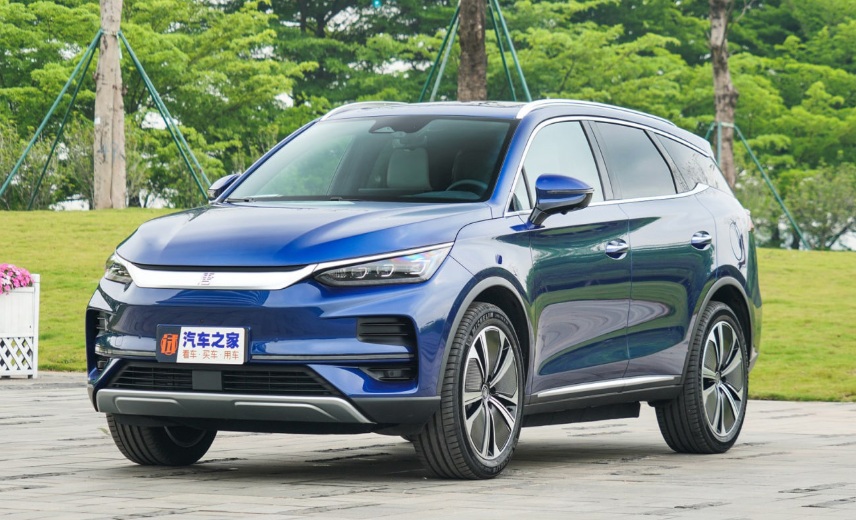
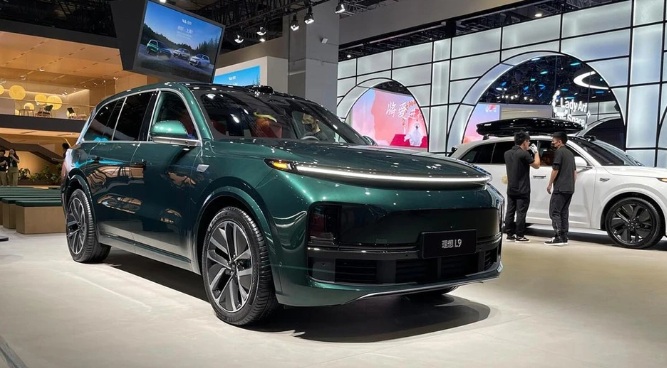
Amid this upheaval, the few profitable giants like BYD, Seres, and Li Auto are aggressively expanding exports to seek growth beyond saturated domestic markets. This strategy is seen as both an escape route and a survival tactic in an increasingly hostile home environment. The era of easy capital raises is over, leaving only companies with optimized supply chains and groundbreaking products poised to survive beyond 2026.