

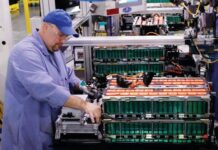





















The Chinese government has introduced a new regulation mandating unique digital identification numbers for electric vehicle batteries, aiming to monitor their entire lifecycle and optimize resource recovery.
This digital ID functions akin to a “digital citizen ID,” directly linked to the national monitoring system. The technology enables authorities to track every stage of a battery’s life, from manufacturing and vehicle installation to maintenance, replacement, and eventual recycling upon the vehicle’s end-of-life.
This stringent measure comes as China faces mounting pressure from electronic waste. The Ministry of Industry and Information Technology (MIIT) predicts that discarded electric vehicle batteries in China will surpass 1 million tons annually by 2030. Assigning these unique IDs is a practical step to prevent old batteries from entering illegal markets or being improperly disposed of, which could lead to environmental disasters. The system ensures that all batteries are returned to authorized facilities for safe and efficient processing, rather than becoming an ecological burden.
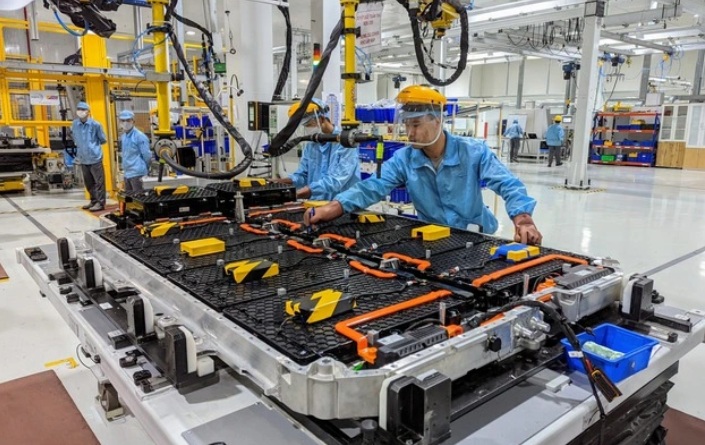
Beyond environmental protection, the new regulation aims to tap into the resource potential of used batteries. Proper recycling allows for the recovery of critical minerals such as lithium, cobalt, and nickel at high rates. In 2025 alone, China processed over 400,000 tons of used electric vehicle batteries, a nearly 33% increase from the previous year. Leading Chinese companies have achieved world-class metal recovery rates, strengthening the global electric vehicle industry’s sustainable supply chain.
The regulation clearly assigns recycling responsibilities to battery manufacturers and automakers, requiring them to establish transparent collection networks. Transportation industry experts emphasize the need for consumers to responsibly hand over end-of-life vehicles and batteries to officially licensed entities. Using unofficial disposal channels not only risks fire hazards and water pollution but also undermines the government’s digital identification monitoring system. China’s initiative is expected to set a benchmark for sustainable clean energy management worldwide.
TH (Tuoitrethudo)
China Leads the Electric Vehicle Battery Recycling Race, Achieving Near-Perfect Recovery Rates

Revolutionary advancements in technology and newly implemented standards in China now enable the near-complete recovery of critical metals such as nickel, cobalt, manganese, and lithium—essential components in electric vehicle batteries.
The Evolution of Batteries in the Electric Vehicle Industry

Electric car batteries are the heart and soul of any electric vehicle. They are the power source that brings the car to life, providing electricity to the engine and all the electronic devices within.
Ferrari Tests Tesla Cars for Electric Vehicle Research and Development

Recently, an eye-catching white Tesla Model S Plaid, with a sticker of “high voltage” (indicating the level of danger), was unexpectedly spotted driving out of the gates of the Ferrari factory in Maranello, Italy.
GM Mobilizes 100 Firefighters to Extinguish Electric Car Factory Fire

Recently, Carscoop reported that the fire at General Motors (GM)’s Factory Zero electric car production plant in mid-December 2023 resulted in damages amounting to 1 million USD (24.3 billion VND).
VinFast partners with Marubeni for electric vehicle battery recycling

VinFast and Marubeni Corporation have recently announced a Memorandum of Understanding (MOU) to collaborate on the repurposing of electric vehicle batteries, with the aim of fostering a circular economy. This MOU is a significant milestone in the strategic partnership between the two companies and underscores their commitment to reducing greenhouse gas emissions in Vietnam and globally.