

























While Vietnam’s automotive market soared to a record-breaking 22% growth, Kia defied the trend with a startling sales decline, plunging the South Korean brand to an unprecedented low in the rankings.
2025 marked a somber milestone for Kia in Vietnam, as the brand recorded its second consecutive year of sales decline. Despite the domestic auto industry’s remarkable 22% surge, the Thaco-assembled and distributed brand joined the ranks of the four automakers with negative growth. Specifically, Kia sold a total of 27,176 units, a sharp 21.6% drop compared to 2024.
This downturn has swiftly eroded Kia’s standing. Once a staple among Vietnam’s top-selling brands, the South Korean automaker has now slipped to the 8th position. Alarmingly, this ranking barely surpasses truck-focused brands like Suzuki and Isuzu, signaling a waning appeal among individual buyers.
Examining Kia’s 2025 lineup reveals a troubling trend: no model achieved growth. Even former bestsellers like the Sonet and Seltos succumbed to the decline, dropping 19% and 4%, respectively. This slump is largely attributed to the rising dominance of Japanese brands and the formidable pressure from VinFast in the affordable segment, once a stronghold for Korean vehicles.
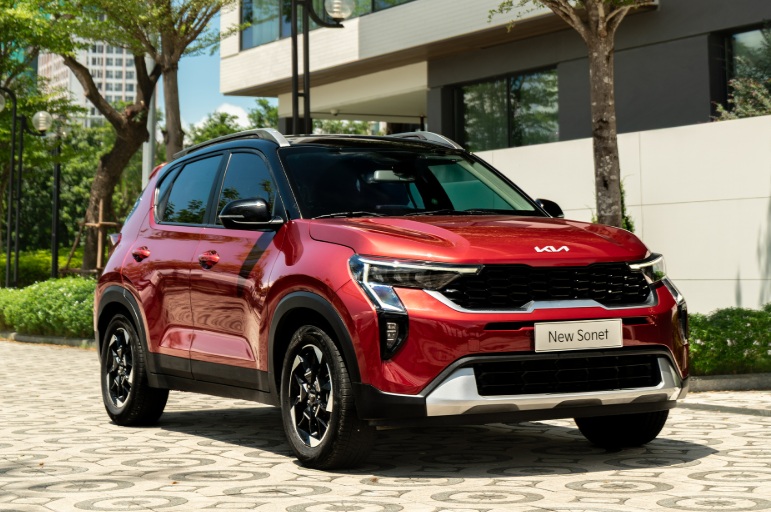
In the A+ CUV segment, the Kia Sonet was outshone by the VF 5. Meanwhile, the Seltos lost its grip in the B CUV segment, trailing far behind the Toyota Yaris Cross, Mitsubishi Xforce, and VF 6 in sales. The influx of Chinese brands further fragmented the first-time buyer market, narrowing Kia’s opportunities.
The K3 sedan (formerly Cerato) epitomizes Kia’s decline. Peaking in 2022 with over 11,400 units sold, its 2025 sales plummeted to a mere 1,682—an 86% drop. In a year when Vietnam’s auto industry shattered records with over 600,000 sales, the K3’s nosedive was a staggering industry shock.
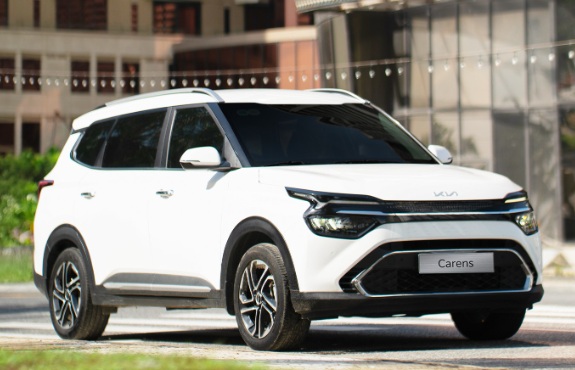
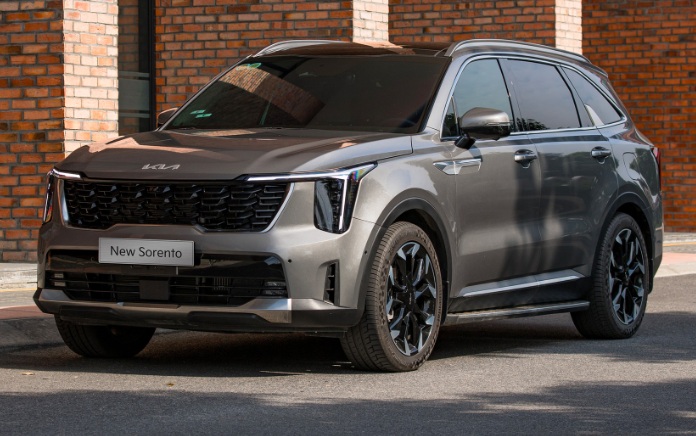
Even the Carnival MPV, which retained some appeal and outperformed its sibling Carens, saw a 28% decline. Other models—Morning, Soluto, Sportage, Sorento, and K5—faded into obscurity, failing to make an impact against direct competitors. With declines ranging from 4% to 61%, Kia faces the daunting challenge of repositioning its products and regaining Vietnamese consumer trust in the coming years.
TH (Tuoitrethudo)
Photos: Kia Vietnam
December 2025 Midsize Sedan Sales: Honda Accord Sells Just 2 Units Before Bowing Out

The Honda Accord stands as the sole sedan in the D-class segment to experience a sales decline in December 2025.
The New Automotive Stars of 2025: How Recent Launches Are Dominating the Market

The Vietnamese automotive market concluded 2025 with remarkable growth figures, setting a historic new benchmark for the domestic automobile industry.
Unveiling the Allure of the Mitsubishi Destinator: Instantly Secures Spot Among Top 5 Best-Selling Cars of the Month

The Vietnamese automotive market in late 2025 witnessed an unprecedented phenomenon in Mitsubishi’s business history within the S-shaped country.
Hyundai 2025: Unraveling the Sales Slowdown After a Period of Rapid Growth

In 2025, Hyundai experienced a notable slowdown in Vietnam’s automotive market, with sales figures significantly declining compared to the previous two consecutive years.
Top 10 Best-Selling Cars in Vietnam 2025: Electric Vehicles Dominate, Redefining the Automotive Landscape

The Vietnamese automotive market has just concluded a tumultuous 2025, marked by significant highs and lows.