















Vietnam’s electric motorcycle ecosystem is witnessing fierce competition, not only in products but also in battery-swapping infrastructure. This is a crucial factor in encouraging users to switch from gasoline to electric vehicles.
Three major brands—VinFast, Honda, and Selex Motors—are deploying battery-swapping station models with distinct strategies and scales, reflecting their unique approaches to market demands and expectations.
The current battery-swapping system is likened to the “gas stations” of the new era, where users can fully recharge their vehicles in just 2 to 3 minutes, compared to the hours required for traditional charging methods.
VinFast and Its Ambition to “Cover Every Corner”
.jpg)
Amid the rapid rise in demand for electric motorcycles, VinFast stands out with its extensive network of battery-swapping stations. As of mid-January 2026, VinFast’s V-Green system has completed the installation of 4,500 stations nationwide, aiming to expand to approximately 45,000 stations by Q1/2026. This number is expected to surpass the total number of gas stations in Vietnam by 1.5 times, ensuring maximum convenience for urban and inter-provincial travel. VinFast focuses on building a widespread network, allowing users to swap batteries in minutes, similar to traditional refueling. This strategic move aims to alleviate concerns about long charging times and strengthen its competitive edge in infrastructure.
Honda Focuses on Dealership Services and Fast Charging
In contrast to VinFast’s quantity-driven approach, Honda Vietnam adopts a different strategy. The Japanese brand is rolling out its Honda e:Swap Battery Station system, located at HEAD dealerships, with services starting from April 2026. This system primarily caters to battery renters or buyers, aiming to attract new users and reduce usage costs. Additionally, Honda is preparing CHAdeMo fast-charging stations, scheduled to operate from June, to support future electric vehicle models and users needing quick on-site charging.
Selex Motors: Pioneering Shared Battery-Swapping Ecosystem
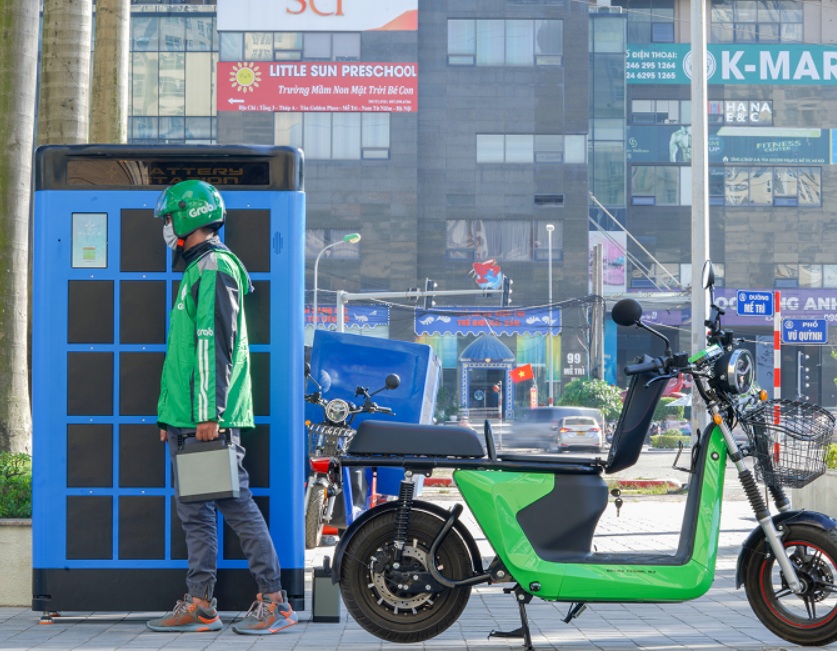
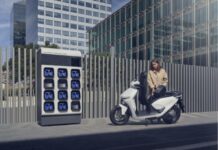
Meanwhile, Selex Motors is carving out its niche with a shared battery-swapping ecosystem. As of early 2026, this Vietnamese startup has developed a network of over 118 automated battery-swapping stations, concentrated in Hanoi, Ho Chi Minh City, and Da Nang. Each Selex station is equipped with approximately 19 slots, integrated with IoT technology for smart management. Notably, Selex not only serves its own vehicles but is also expanding partnerships with other brands like DK Bike to share its network, aiming for a unified battery standard across the market.
Cost and Operational Efficiency Considerations
Each brand applies different pricing policies to attract users.
VinFast charges approximately 9,000 VND for swapping a 1.5 kWh LFP battery or offers monthly rental options (from 175,000 VND/battery/month to 300,000 VND/2 batteries/month). With two fully charged batteries, the VinFast Evo can travel up to 165 km, while the Feliz II and Viper can reach a maximum of 156 km under standard conditions.
Selex Motors charges a higher rate of 14,000 VND for swapping a 1.16 kWh battery. Customers can choose monthly rental plans: 108,000 VND for one battery (up to 300 km), 216,000 VND for two batteries (up to 600 km), 324,000 VND for three batteries (up to 900 km), or 918,000 VND for three batteries with unlimited mileage, and 1.18 million VND for four batteries with unlimited mileage. Exceeding the limit incurs an additional 173,000–200,000 VND/km. This pricing applies to the “TP” monthly self-charging rental package. Customers can also select other battery-swapping rental packages based on their needs.
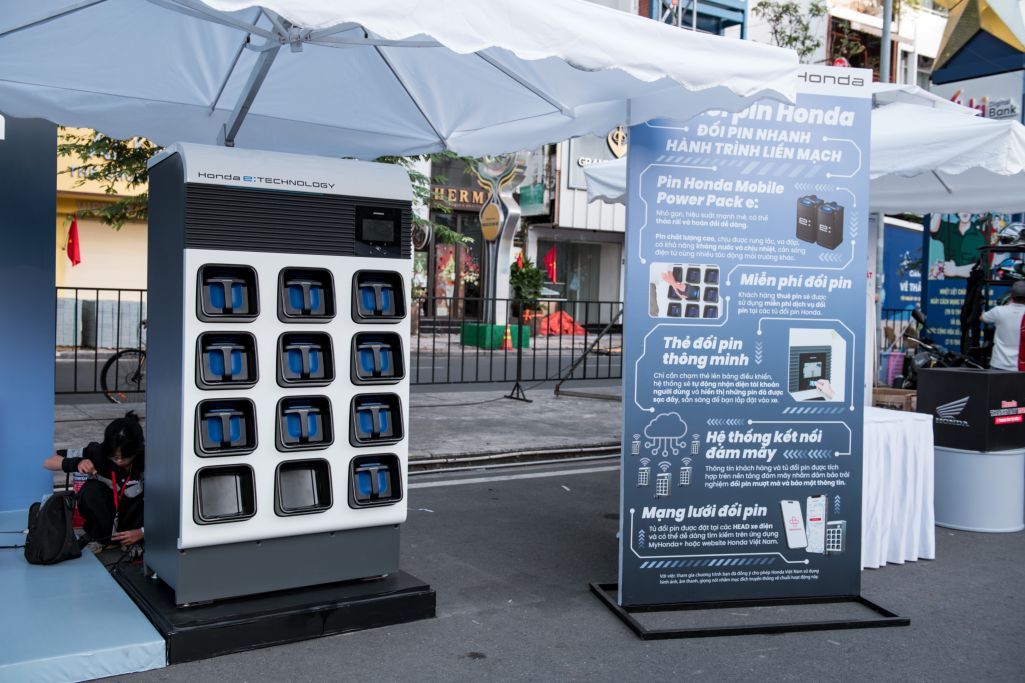
Meanwhile, Honda will charge 250,000 VND/month for renting two batteries, covering approximately 80 km, primarily serving specialized models like the Benly e: and CUV e:.
TH (Tuoitrethudo)
Billionaire Pham Nhat Vuong Drives Open-Top VinFast VF 8 at Son’s Wedding Ceremony

Vingroup Chairman Pham Nhat Vuong personally drove a custom-crafted VinFast VF 8 to escort his children and grandchildren to a traditional marriage proposal ceremony.
Top-Selling Car Models Across All Segments in 2025
The year 2025 marks a historic turning point for Vietnam’s automotive industry, as the market landscape undergoes an unprecedented and transformative structural shift.
V-Green Partners with RoadGrid India to Launch Rapid Charging Network

V-GREEN Global Charging Station Development Company and RoadGrid India have announced a strategic partnership to accelerate the deployment of fast-charging stations for electric vehicles across India.
Honda Rebrands: A Bold Leap into the Electric Era

Honda is poised to unveil a transformative shift in its brand identity, signaling a bold transition to a future dominated by electric and hybrid vehicles.
VinFast Lac Hong 900 LX: Secure Your Deposit with Our Authorized Dealer

The Vietnamese luxury car market is abuzz with excitement as dealerships begin accepting deposits for the highly anticipated Lac Hong 900 LX electric SUV.