









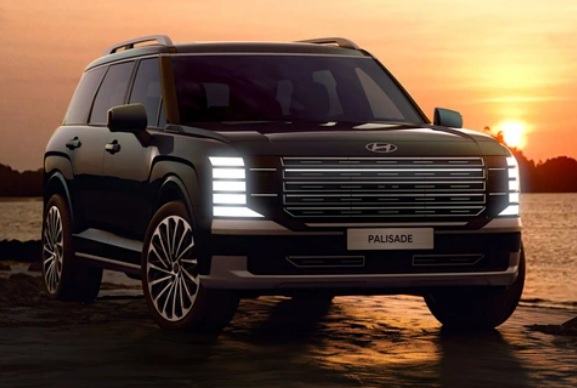
South Korean public attention is fixated on a case where a Hyundai dealership unilaterally terminated the delivery of a Palisade vehicle to a customer immediately after payment completion.
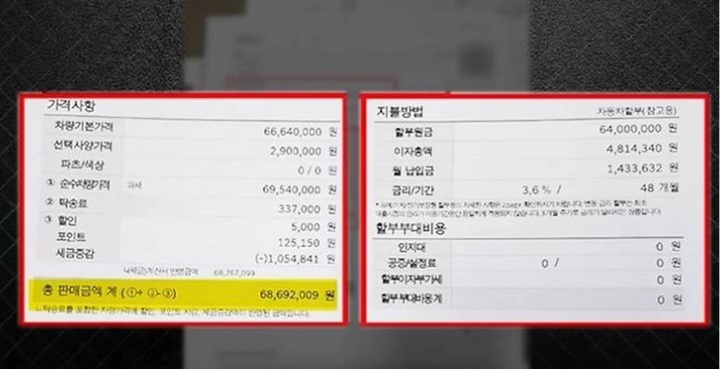
According to a report by SBS’s News Hunters, Mr. A signed a contract to purchase a Hyundai Palisade on January 15th for approximately 64 million won (equivalent to 1.14 billion VND). However, just three days after receiving notification that the vehicle had left the factory, he received a call from a sales representative requesting a halt to the transaction. The dealership’s reasoning left Mr. A stunned: his residence in a subsidized housing complex for low-income earners led them to suspect the vehicle was intended for export rather than personal use.
Under regulations from the Korea Land and Housing Corporation (LH), tenants in public housing projects are prohibited from owning vehicles valued above 42 million won (750.94 million VND). However, the agency clarifies that owning an expensive vehicle does not result in immediate eviction but may impact contract renewal evaluations every two years. Mr. A stated he thoroughly researched the regulations and recently renewed his lease in December, ensuring his legal residency for nearly two years. He views the dealership’s intrusion into his living conditions and financial status as discriminatory and a violation of his commercial freedom.
The Hyundai dealership argues it has “near-certain” evidence the vehicle would be exported for arbitrage. Amid high international demand and limited supply for the Palisade, speculators are increasingly buying domestic units, deregistering them, and exporting them. Hyundai Motor emphasizes stricter controls are necessary to protect its overseas dealership network and avoid legal complications related to global warranty policies. The company stresses transactions with suspicious indicators will be denied under internal regulations to safeguard its supply chain.
Tensions escalated due to conflicting information between the parties. While Hyundai claims Mr. A’s payment method raised red flags, he insists his installment plan was transparent. Mr. A even offered to sign a written pledge against exporting the vehicle, which the dealership rejected.
This incident has transcended a simple canceled transaction, sparking intense debate over the balance between a company’s operational measures and consumer equality. The use of residential status as a purchasing criterion has become a contentious focal point.
TH (Tuoitrethudo)
Hyundai Unveils All-New Palisade Overseas, Anticipating Impressive Hybrid Variant’s Arrival in Vietnam
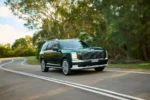
The highly anticipated new generation Hyundai Palisade is set to debut in Vietnam as early as 2026, though it may arrive in 2027. Alongside a refreshed design, this model will feature a fuel-efficient hybrid powertrain, marking a significant upgrade for the lineup.
The Ultimate Luxury SUV Duo: Hyundai Santa Fe and Palisade – Now with Massive Price Reductions

The Hyundai Santa Fe and Palisade now come with incredible offerings! Enjoy authorized dealer discounts and promotions on these stellar vehicles.
Hyundai Palisade Owners in the US Warned of Fire Risk

A potential flaw in the Hyundai Palisade’s electric oil pump could result in a fiery fate.
The Hyundai Palisade: Unveiling a Persistent Issue with the Rear Suspension
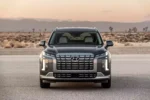
The Hyundai Palisade, a large SUV from the South Korean automotive manufacturer, is facing a wave of complaints from owners regarding rear suspension issues. Particularly, those equipped with self-leveling suspension seem to be experiencing problems.
The Hyundai Palisade 2026: A Large SUV Revolution

The 2026 Hyundai Palisade is not just a mid-life cycle upgrade but a significant evolution in design, technology, and powertrain.