



























Starting January 1, 2026, new regulations under the 2024 Road Traffic Order and Safety Law regarding child safety in vehicles will officially take effect.
This marks a significant step in enhancing protection for vulnerable road users.
According to Article 10 of the Law, children under 10 years old and shorter than 1.35 meters are prohibited from sitting in the front seat, except in single-row vehicles like pickup trucks or vans. Additionally, drivers must use or guide the use of specialized child safety devices to ensure children are properly secured during travel.
These specialized safety devices help restrain and protect children during movement or collisions, significantly reducing the risk of injury from sudden braking or impacts.
However, as the enforcement date approaches, public concerns about practical implementation have emerged.
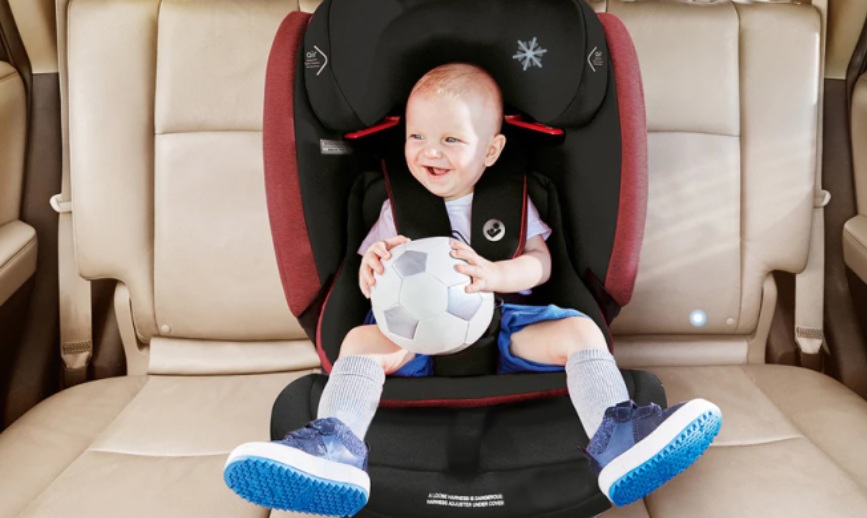
One major issue is the rapid growth of children, making it challenging to select appropriate seats. Many parents note that children aged 8–10 can be as large as adults. One parent shared, “My 9-year-old weighs 48 kg, too big for a child seat but penalized for using a regular one.” This concern stems from child safety seats being designed for specific height and weight ranges, often mismatching children’s actual sizes despite their age.
Families with multiple children or those frequently transporting young relatives also express difficulties. “In our 7-seater car, three kids mean three seats. Occasionally, we need to pick up a cousin, requiring an extra seat,” one parent explained. Installing multiple seats significantly reduces cabin space, limiting flexibility for unexpected travel needs.
Another challenge is carrying child seats for spontaneous trips. Many drivers find it impractical to prepare seats for unexpected passengers: “How can we predict when children will join us? Where do we store unused seats?” Compact car models lack sufficient trunk or cabin space for storage when seats are not in use.
Service vehicles, including taxis, ride-hailing cars, and contract vehicles, face unique challenges. Drivers cannot predict the number or size of child passengers to prepare accordingly. One driver remarked, “Service drivers need at least two seats or rely on passengers to provide their own.” This adds financial pressure and complicates space management, especially when transporting luggage or multiple passengers.
School transport vehicles also raise questions. Some elementary schools use older 7-seater vehicles for student drop-offs. One concerned individual asked, “Do these vehicles need seats? If so, 6–7 seats would be required, which seems unmanageable for drivers.” Installing multiple seats in older models may compromise safety or cabin space.
Beyond cost and usability concerns, some advocate for manufacturer involvement. One suggestion is for vehicles to include built-in child-friendly seat belts and positioning: “Responsibility shouldn’t fall solely on citizens. Simple adjustments like lower belt placements could suffice without bulky add-ons that may not meet standards.” This highlights the desire for automotive support to reduce reliance on external devices.
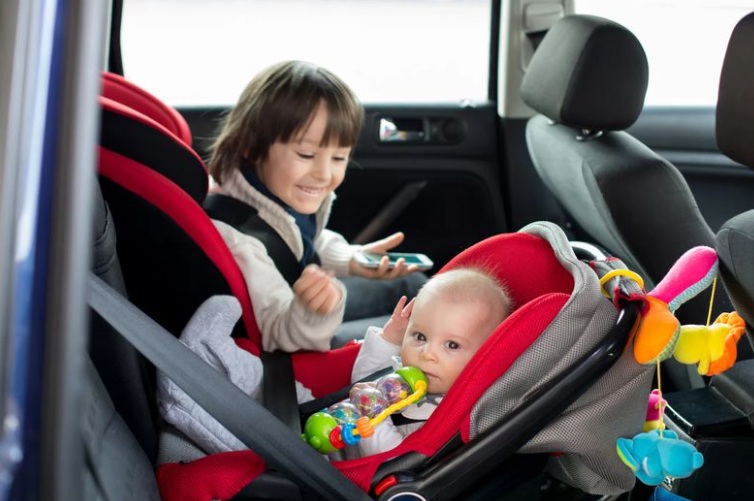
Conversely, parents who have long used child safety seats report positive experiences. One shared, “My child used a seat from 6 months to 5 years, ensuring safety and peace of mind while driving.” Another noted, “With the seat, my child sleeps comfortably, and I’m less stressed.” These accounts underscore the clear benefits of safety seats in many scenarios.
As the regulation’s implementation nears, many call for clearer guidelines on age, height, weight, provisions for service vehicles, standards for vehicle types and devices, and support from manufacturers and authorities. Such guidance is expected to facilitate compliance and better align with public needs.
TH (Tuoitrethudo)
Essential Safety Gear for Kids in Cars: What Every Parent Should Know

As of January 1, 2026, new regulations on child safety in vehicles will come into effect, marking a significant shift in the Road Traffic Order and Safety Law of 2024.
New Child Safety Regulations for Car Travel Effective 2026

As of January 1, 2026, new regulations on child safety in vehicles will come into effect, marking a significant shift in the Road Traffic Order and Safety Law of 2024.
What is ISOFIX in Cars?

Child car seats are securely installed via ISOFIX connectors or the vehicle’s seatbelt.
The Prime Minister Calls for AI Integration in Traffic Violation Detection

Prime Minister [Name] has instructed the police and relevant authorities to step up patrols and enforce strict legal action against those who violate traffic rules and cause serious accidents. This directive emphasizes the government’s commitment to road safety and sends a strong message to deter reckless driving and ensure the well-being of all citizens.
Be Wary of the New Demerit Point System for Driver’s Licenses

From the beginning of this year, there will be significant changes to the driver’s license system, including alterations to the classification, validity period, and the introduction of a point-based system.