





















According to the draft resolution on low-emission zones submitted by the Hanoi People’s Committee to the City Council for consideration, the city proposes a comprehensive transition to clean energy vehicles for all commercial transport vehicles.
This regulation is expected to take effect from July 1, 2026.
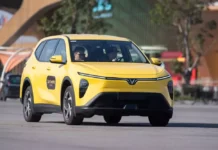
The most notable requirement is that 100% of taxis and commercial vehicles up to 8 seats, when replaced or newly invested, must use green or clean energy from the aforementioned date. This is considered a crucial step in reducing air pollution and limiting the use of fossil fuel vehicles in the central urban area.

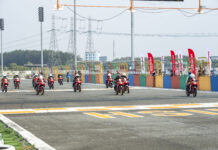
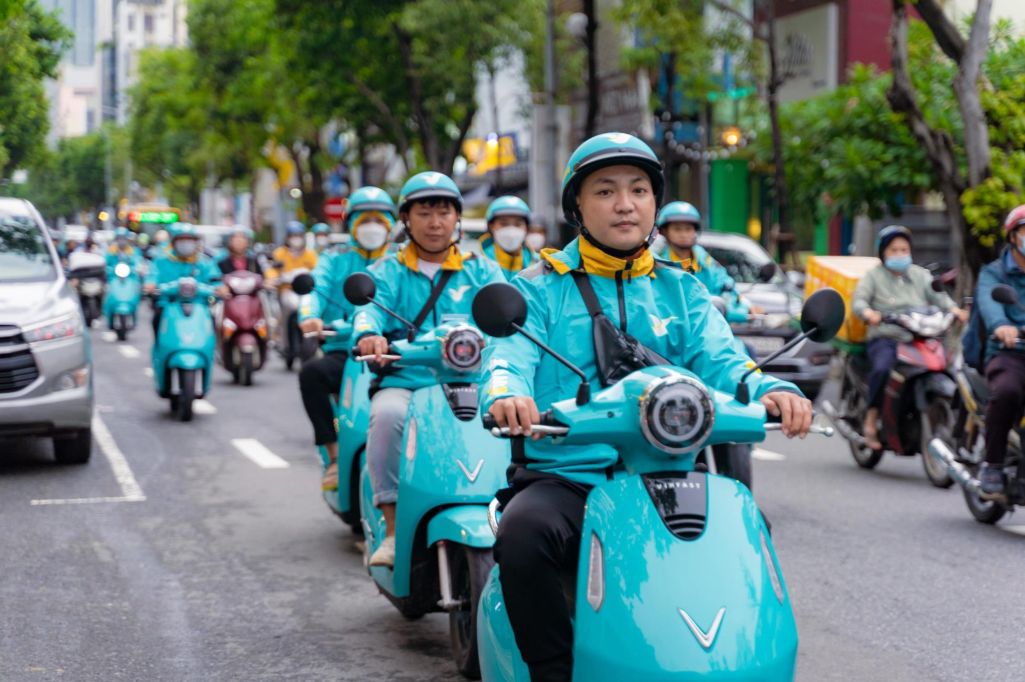
For two-wheeled vehicles operating under ride-hailing services, the draft also outlines a green transition roadmap. Accordingly, ride-hailing apps will no longer accept drivers using gasoline-powered motorcycles from July 1, 2026. Simultaneously, these platforms must ensure that 30% of their vehicles are electric or clean energy-powered before this deadline, increasing to 70% by January 1, 2028, and reaching 100% by January 1, 2030.
For taxis and passenger vehicles up to 8 seats operating on apps, transport companies must achieve a 50% green vehicle ratio before January 1, 2028, and aim for 100% by January 1, 2030.
In addition to the transition requirements for commercial vehicles, the Hanoi People’s Committee also proposes several measures to control fossil fuel vehicles in low-emission zones. The city recommends no new investments and restrictions on new registrations for gasoline or diesel vehicles when replacing old ones, especially those owned by organizations.
The draft also explicitly prohibits trucks over 3,500 kg using fossil fuels from circulating, while restricting or banning vehicles not meeting Euro 4 emission standards from entering low-emission zones during specific hours or in certain areas.
For motorcycles, Hanoi proposes a complete ban on gasoline-powered vehicles used for ride-hailing services within low-emission zones. Ordinary motorcycles may also face restrictions or bans in these areas during specific times or within defined boundaries.
These provisions are expected to be reviewed by the Hanoi People’s Council at the year-end session on November 26–27.
Hanoi Proposes Up to VND 5 Million Subsidy for Switching from Gasoline Motorcycles to Electric Bikes

Hanoi is considering a policy to incentivize residents to switch from gasoline-powered motorbikes to electric ones, as outlined in a draft proposal presented at the 28th session of the City People’s Council, held from November 26 to 28.
Hanoi Proposes Time-Based Ban on Gasoline Motorcycles to Establish Low-Emission Zone

At the 28th session held from November 26 to 28, the Hanoi People’s Council is expected to consider issuing a new resolution to replace Resolution 47/2024/NQ-HĐND, thereby adjusting regulations on the organization of low-emission zones within the city.
Is It Mandatory for Shuttle Services to Install Child Safety Seats?

New regulations regarding child safety equipment in vehicles will take effect at the beginning of next year, sparking significant attention among both private car-owning families and commercial drivers.
Hà Nội Female Entrepreneur Acquires Rolls-Royce Spectre Electric Vehicle
The Rolls-Royce Spectre is captivating luxury car enthusiasts with its unparalleled allure. This British electric masterpiece delivers an impressive range of over 500 km on a single charge, more than sufficient for the discerning tastes of the affluent.
Electric Vehicle Charging Stations Blanket Vietnam: From Hanoi to Ho Chi Minh City, Drivers Confident in Seamless Charging Access

In Hanoi and Ho Chi Minh City, VinFast electric vehicle owners enjoy unparalleled convenience with charging stations strategically located throughout both cities. Equipped with high-capacity charging pillars ranging from 60kW to 300kW, these stations significantly reduce charging times, ensuring a seamless and efficient experience for all users.