





























Vietnam’s automotive localization rate is often underestimated, but the reality is shifting faster than many realize.
While public perception suggests the domestic auto industry heavily relies on imported components, recent data reveals a significant rise in manufacturers’ self-sufficiency. Higher local production volumes, expanded manufacturing operations, and even ambitious targets of reaching 80% localization within the next year highlight this trend.
According to the General Statistics Office – Ministry of Finance, domestic vehicle production reached approximately 338,400 units in the first three quarters, a 52% increase compared to the same period last year. Although the industry’s scale still lags behind regional leaders, the expansion of assembly activities indicates substantial growth potential.
Data from the ASEAN Automotive Federation (AAF) shows that in the first 11 months of 2024, Vietnam ranked fourth in domestic production within ASEAN, following Thailand, Indonesia, and Malaysia. One reason Vietnam hasn’t become a regional automotive hub is its relatively low localization rate. However, the actual localization levels at some major automakers have far surpassed the commonly cited 5-20% range.
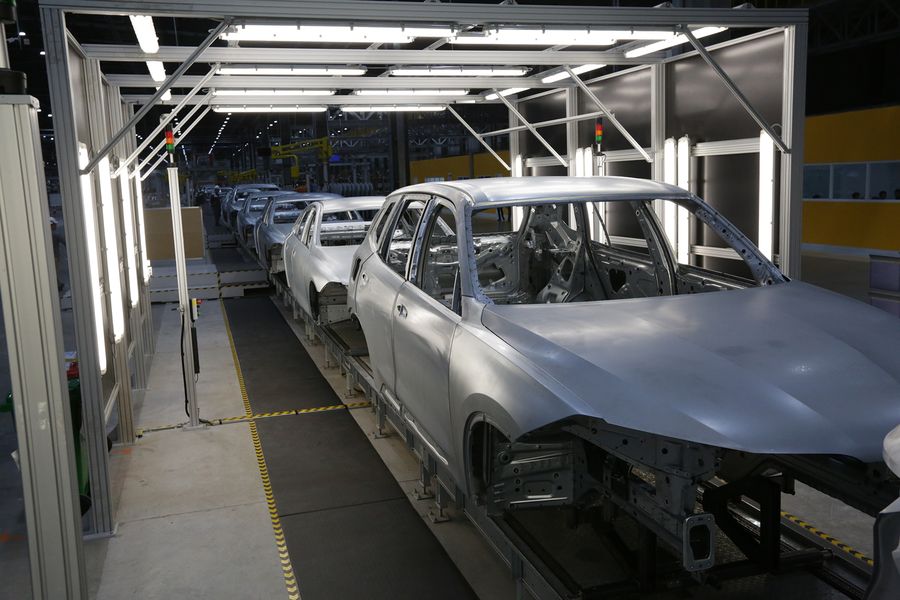
At the first “Vietnam Private Economic Sector Panorama” high-level meeting in 2025, Mr. Vu Van Tien, Chairman of Geleximco’s Board of Directors, noted that Vietnam’s supporting industries have developed slower than expected, leading to lower domestic value-added in products. However, the overall picture of the automotive industry isn’t entirely bleak.
Before Geleximco partnered with Chery to produce Omoda and Jaecoo in Vietnam, the country was already home to manufacturing plants of several major auto groups. Toyota, Honda, Suzuki, Isuzu, and Mercedes-Benz have operated in Vietnam for decades, contributing to a relatively extensive and stable supporting industry network.
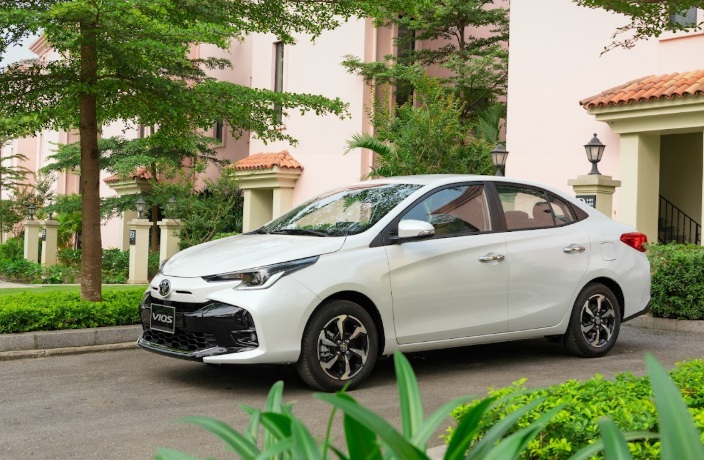
By February 2023, most domestically assembled Toyota models had achieved a localization rate of approximately 40% based on ASEAN’s value-added calculation method. The Toyota Vios, a best-selling sedan for many years, reached around 43%. Toyota’s supplier network had expanded to 58 units, including 12 Vietnamese companies directly manufacturing over 1,000 types of components for the brand.
Thaco is another key player in Vietnam’s automotive manufacturing sector. As an assembler for Kia, Mazda, Peugeot, and BMW, the company has developed a diverse ecosystem of component production, ranging from seats and wiring harnesses to plastic interiors, composite parts, and air conditioning systems for both passenger cars and trucks. Thaco not only serves the domestic market but also supplies OEM parts to brands like Hyundai, Toyota, Isuzu, and Piaggio, while exporting products to the US, Canada, Japan, South Korea, and Australia.
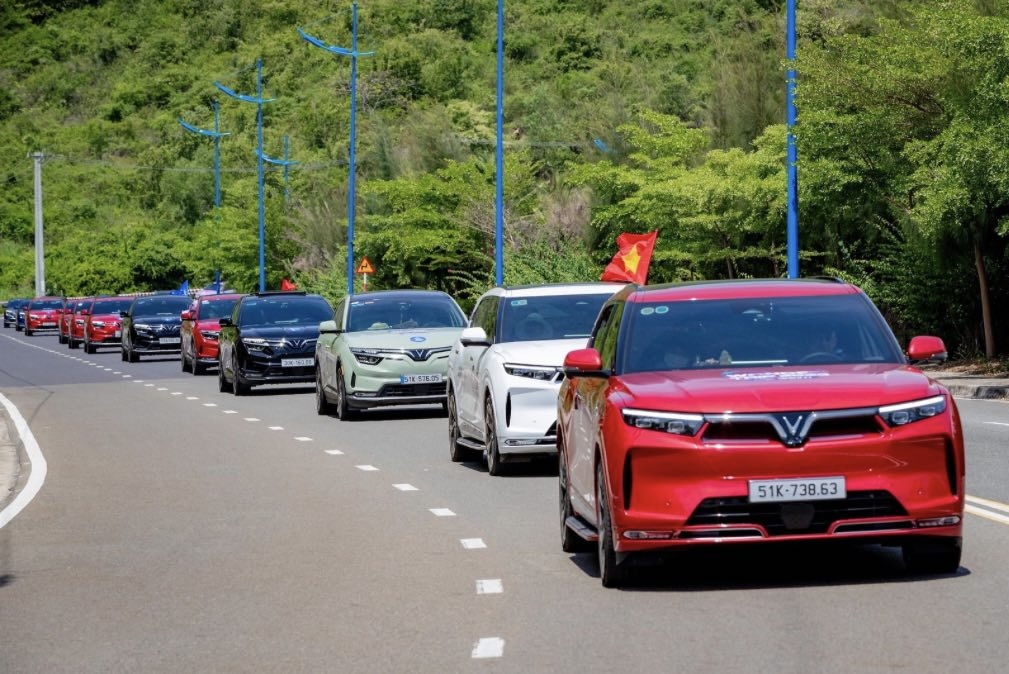
VinFast, a latecomer to the automotive scene, has rapidly expanded its local supply chain. By the end of 2024, the company announced a localization rate exceeding 60% for its electric vehicles. VinFast aims to increase this figure to around 80% by 2026 by self-producing critical components such as body shells, engines, suspension systems, and other essential parts.
Experiences from Thailand and Indonesia demonstrate that a high localization rate, approaching 90%, is crucial for the automotive industry’s takeoff. These countries not only lead ASEAN in production but also rank among the region’s largest auto consumers.
In Vietnam, automakers with higher localization rates often dominate the market. VinFast sold over 87,000 vehicles last year, leading the industry, while Toyota followed with 66,576 units. This reflects the industry’s familiar pattern: high sales drive localization, but successful localization requires a large enough market to optimize costs, creating a competitive advantage for those who navigate this cycle effectively.
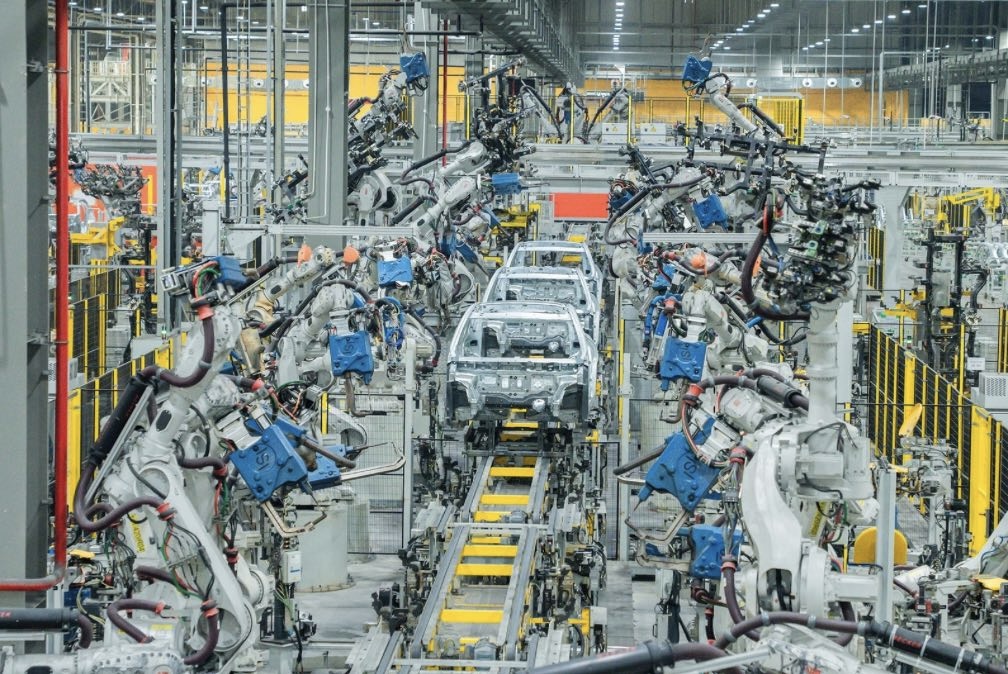
The continuous emergence of new automakers and the establishment of foreign manufacturing plants in Vietnam are providing strong momentum for the supporting industries. Compared to over a decade ago, domestic component production capabilities have entered a new development phase, far surpassing the previously mentioned 5-20% range.
However, to achieve localization levels comparable to Thailand or Indonesia, Vietnam’s automotive industry still has significant ground to cover. Companies aiming to expand market share must invest seriously in production and secure local component supplies rather than relying on imports. The nearly 100 million-strong market is full of potential but also unforgiving: well-prepared businesses will thrive, while laggards may be forced to exit, as seen with several automakers in recent years.
Broadly speaking, advancements in localization are laying a crucial foundation for the long-term development of Vietnam’s automotive industry. With the emergence of new plants, the expansion of existing businesses, and growing market demand, the goal of elevating Vietnam’s automotive sector in the next decade is well-founded.
TH (Tuoitrethudo)