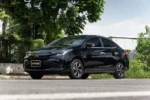












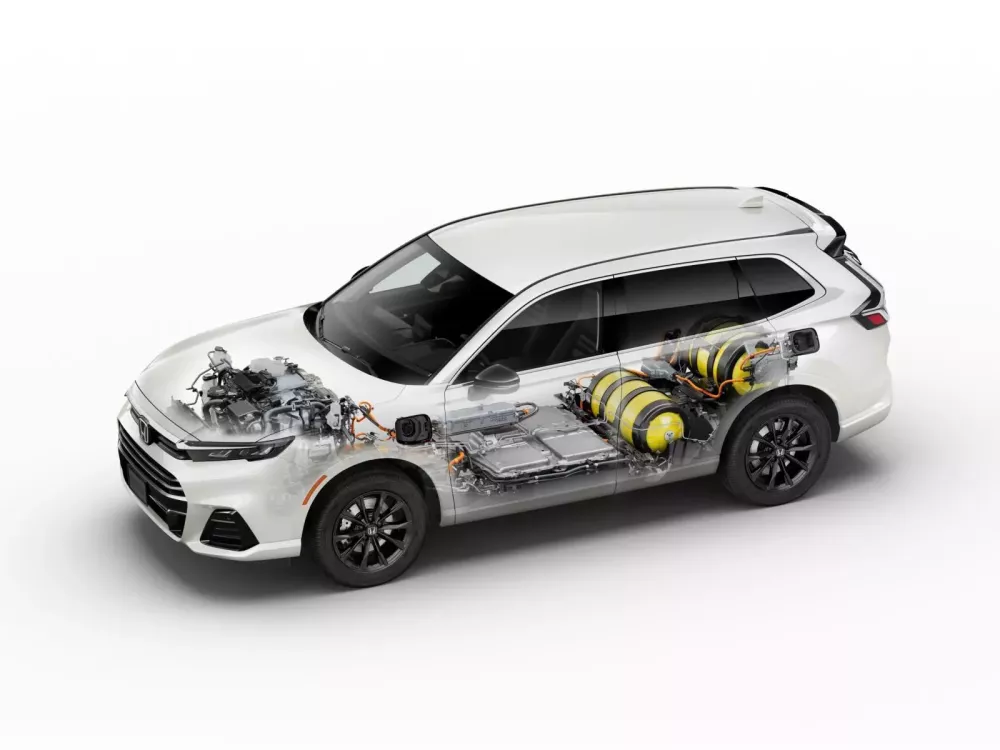
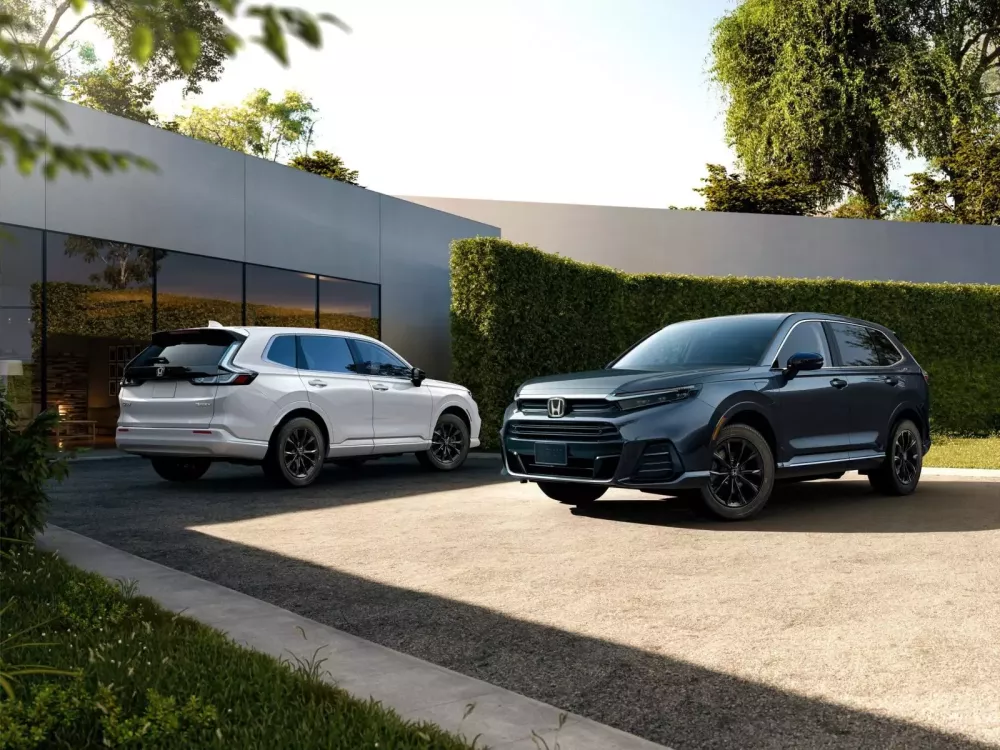
Japanese automaker Honda is recalling the most expensive version of its CR-V lineup in the United States due to a coolant leak risk. According to American Honda Motor, coolant inside the CR-V e:FCEV’s fuel cell stack may seep into the housing, potentially causing a short circuit.
The recall documents highlight several potential causes. Firstly, a change in the manufacturing process reduced the amount of adhesive in unified areas. Secondly, the supplier failed to establish a deburring process for the O-ring groove of the rocker joint, exacerbating sealing issues.
Honda CR-V e:FCEV Faces Coolant Leak Risk in Fuel Cell Stack
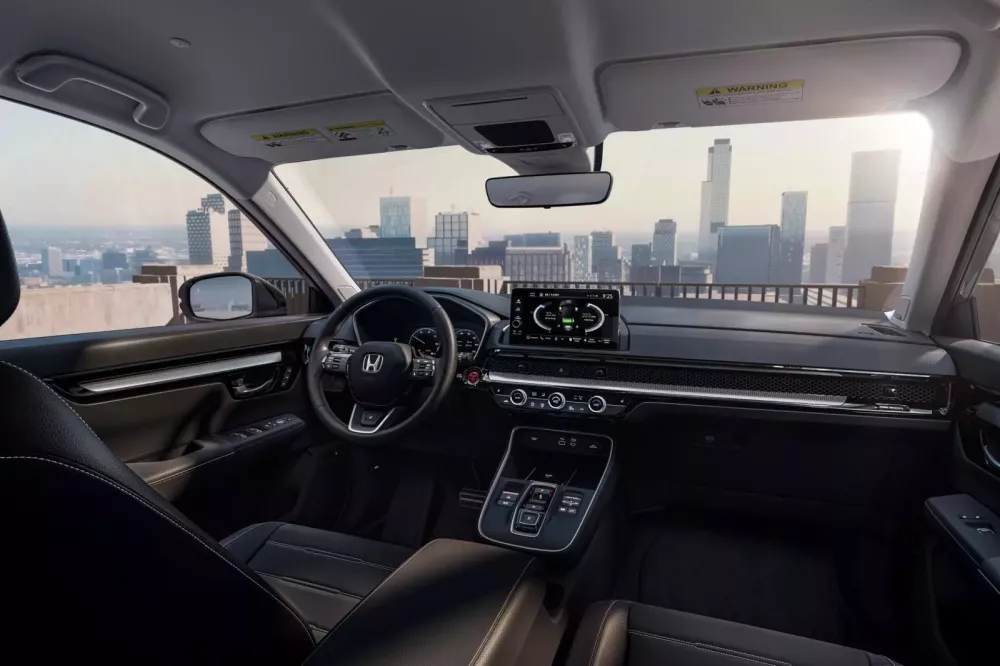
When coolant infiltrates the fuel cell stack housing, a short circuit between the bipolar plate and the housing bracket can trigger a ground fault warning. Up to four warnings may appear on the dashboard of the hydrogen-powered vehicle, starting with alerts for the electrical system and fuel cell insulative fluid.
The CR-V e:FCEV’s intricate powertrain may also switch to a low-power mode, reducing output to 20 kilowatts (27 horsepower). Ultimately, the dashboard will flash “do not drive” and “stop driving when safe” messages. Fuel Cell System Manufacturing (FCSM) is the supplier of this component.
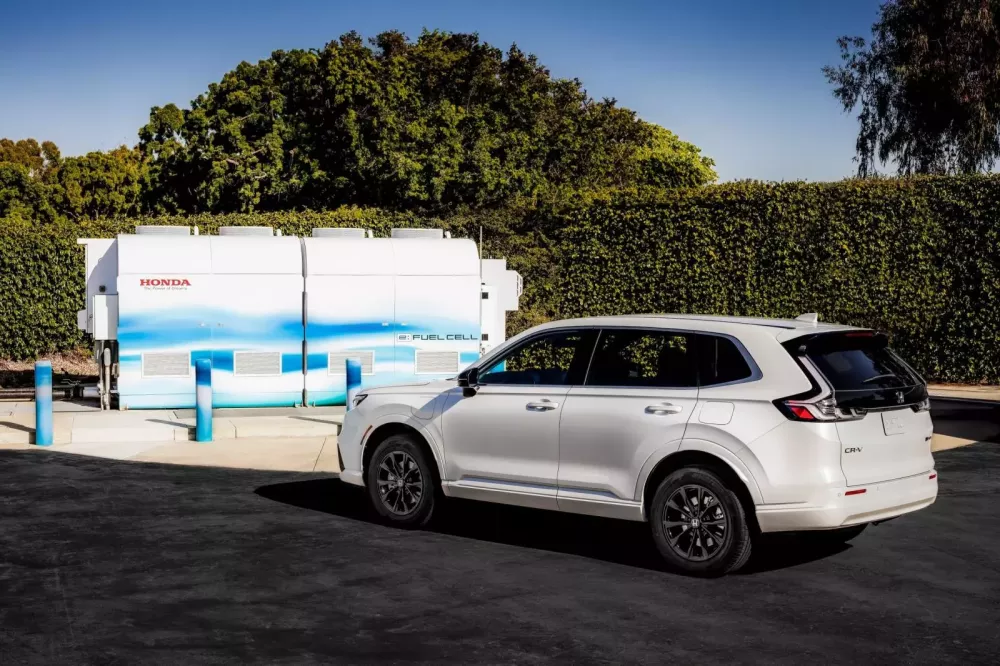
FCSM is a joint venture between Honda and the largest of Detroit’s Big Three automakers. Commercial production of the jointly developed fuel cell systems began in January 2024. Meanwhile, the listed recalled vehicles have production dates ranging from June 2024 to March 2025.
The CR-V e:FCEV is the only CR-V variant for the U.S. market produced at the high-performance manufacturing center in Marysville, Ohio. Its electric powertrain and power electronics are supplied by Vitesco Technologies. American Honda Motor first received notification of the issue in November 2024.
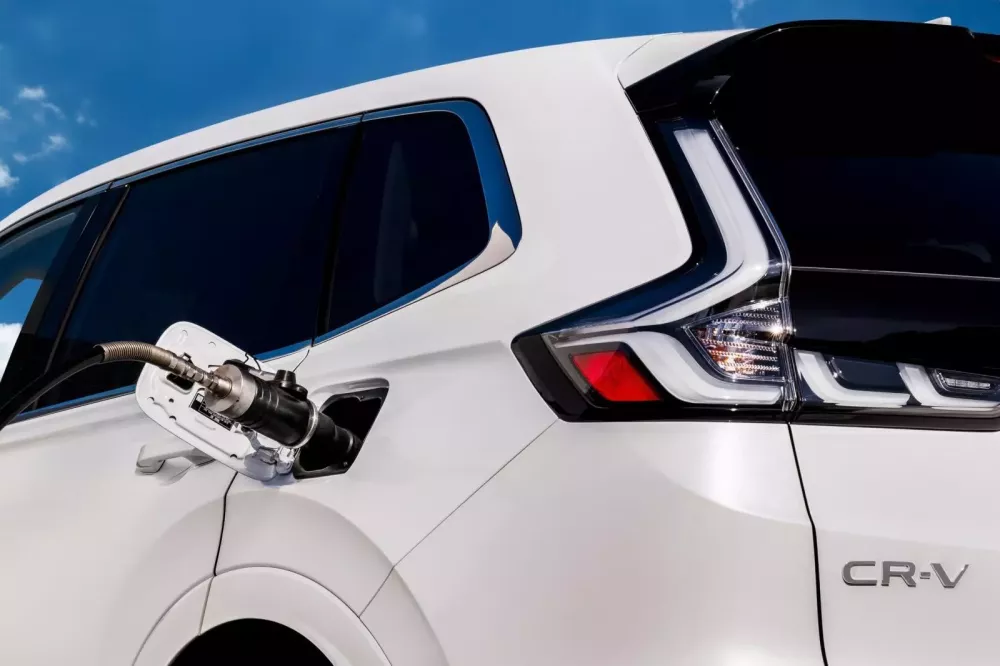
The issue began with a warranty claim related to a ground fault warning light. Eventually, in January 2025, Honda replicated the coolant leak from the rocker joint, prompting further investigation by the Japanese automaker. During the investigation, Honda also identified non-compliance with Federal Motor Vehicle Safety Standard No. 1.
American Honda Motor has received 14 warranty claims filed between June 3, 2024, and December 4, 2025. The remedy involves replacing the fuel cell stack with rubber gaskets at the ends and deburred rocker joints. The supplier rectified the recall condition in May 2025.
“Over 100,000 Kia K5s in the US at Risk of Losing Their C-Pillar Trim”
The use of inadequate adhesive is believed to be the reason why the decorative column trim piece of over 100,000 Kia K5 vehicles in the US may detach while the car is in motion.
The Ultimate Recall: Mercedes Recalls Almost All AMG One Supercars Over Fire Risk
The recall has nothing to do with the fire incidents involving two Mercedes-AMG One vehicles previously observed.
Over 220 Gold Wing and CBR1000RR Motorcycles Recalled in Vietnam Due to Potential Fuel Pump Defect

A total of 221 Honda Gold Wing and Honda CBR1000RR motorcycles in Vietnam are being recalled for inspection and potential replacement of parts.
Hyundai Palisade Owners in the US Warned of Fire Risk

A potential flaw in the Hyundai Palisade’s electric oil pump could result in a fiery fate.
“Nissan Recalls Nearly 600 Kicks in Vietnam Over Faulty Battery Light Indicator”

The purpose of this recall campaign is to inspect and update the lithium-ion battery control software on the Nissan Kicks to prevent erroneous warning light illumination.