












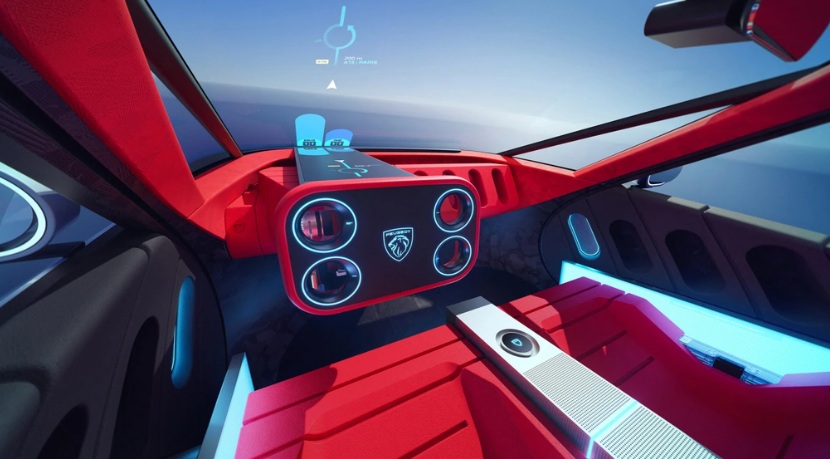
Peugeot is taking a significant step forward in bringing the rectangular Hypersquare steering wheel to its commercial vehicle lineup.
Unlike many concepts that remain mere display pieces, Peugeot is demonstrating a clear ambition to realize the Hypersquare. The innovative steering wheel design is being developed alongside a next-generation fully electronic steer-by-wire system, slated to debut in the upcoming Peugeot 208 generation.
Nearly three years after its initial unveiling in early 2023, Peugeot’s square steering wheel has entered real-world testing. Notably, select journalists have been given hands-on driving experiences to evaluate its operational capabilities and control feel.
This approach echoes Tesla’s pioneering efforts in popularizing large central displays. With Hypersquare and steer-by-wire technology, Peugeot is playing a key role in reintroducing non-traditional control interfaces to the automotive technology race.
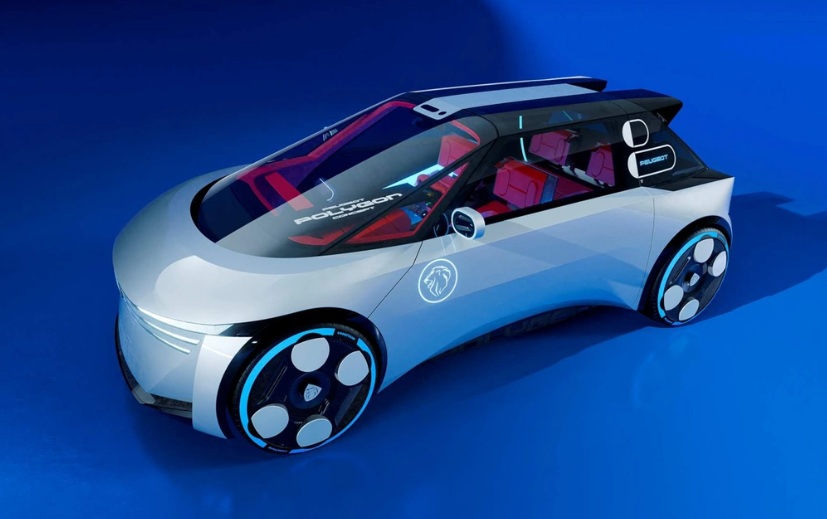
The rectangular steering wheel concept was first introduced on the Inception Concept, embodying Peugeot’s vision for the future of vehicle interiors. Recently, the brand further expanded this direction through the Polygon Concept, signaling that Hypersquare is a long-term strategic initiative rather than a short-term experiment.
Currently, the Hypersquare steering wheel has been installed in a Peugeot E-2008 test vehicle. Its design features four large recesses, with the two upper recesses incorporating control buttons. These positions also serve as natural rests for the thumbs, enhancing grip and making steering more intuitive and secure.
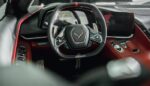
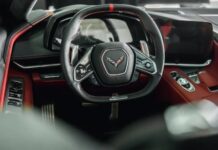
In reality, rectangular steering wheels are not entirely new to the automotive industry. Models like the Chevrolet Corvette C8 and Mercedes-AMG ONE have adopted similar designs. However, these examples are primarily found in sports or supercars. Peugeot stands out as one of the few brands aiming to bring this steering wheel style to mainstream vehicles.
According to a Handelsblatt (Germany) journalist’s experience, the Hypersquare steering wheel feels more comfortable than initially expected. Thanks to the designed recesses, the thumbs naturally find their correct positions, ensuring smooth and unawkward control.
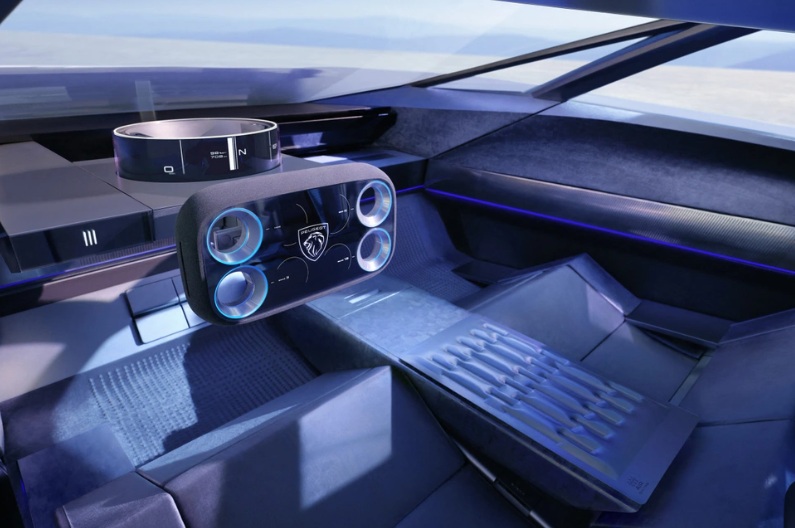
Technically, Peugeot’s steer-by-wire system operates similarly to those in vehicles like the Tesla Cybertruck and Lexus RZ, automatically adjusting the steering ratio based on speed. At low speeds, such as during turning or parking, the ratio shortens to approximately 5:1, enhancing maneuverability and making the vehicle nearly three times more responsive than traditional hydraulic systems.
The Handelsblatt journalist noted that even small movements yielded clear vehicle responses. During a brief test drive, the wheels inadvertently brushed the curb. As speed increased, the system became more stable, offering improved control.
According to Peugeot’s driving instructor, the new Peugeot 208 will feature multiple driving modes, including one to help users acclimate to steer-by-wire and a sport mode for high-speed operation.
Additionally, Peugeot is focused on maintaining a realistic driving feel. Sensors within the system detect forces acting on the wheels, converting them into tactile feedback transmitted back to the Hypersquare steering wheel. This ensures drivers remain connected to the road, despite the absence of a direct mechanical link between the steering wheel and wheels.
Is the Physical Rotary Knob in Cars on the Verge of Disappearing?

The physical rotary dial, once hailed as the pinnacle of efficiency for interacting with in-car infotainment systems, is increasingly becoming a relic of the past in modern vehicles.
Why Does This Car Have Four Super-Skinny Wheels?

Introducing the ultimate tool for garages to effortlessly maneuver damaged vehicles.
The Future is Now: 10 Car Technologies Straight Out of Sci-Fi
The following automotive technologies are not entirely revolutionary, but they do showcase the modern automotive industry’s indulgence of the driver.
The Tesla-Style Steering Wheel: Coming Soon to a Mercedes Near You?

Mercedes-Benz is gearing up to revolutionize the driving experience with its innovative steer-by-wire technology and Yoke steering wheel, marking a departure from conventional mechanical linkages.
The Lexus RZ: Unveiling a Mid-Life Facelift with a Host of Modern Amenities
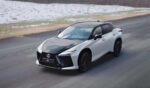
Lexus has unveiled the eagerly anticipated mid-life upgrade to its RZ model. With a host of new features and enhancements, this latest iteration promises to build upon the success of its predecessor.