






















According to the roadmap outlined in Circular 50/2025 by the Ministry of Industry and Trade, starting from June 1, 2026, unleaded gasoline distributed in Vietnam must be blended into E10 gasoline for use in gasoline engines nationwide.
Meanwhile, E5 RON 92 gasoline will continue to be permitted for use alongside E10 until the end of December 2030. This regulation has left many car and motorcycle owners, especially those with older vehicles, concerned about compatibility and the impact of these biofuels on their engines.
Differences Between E5, E10, and Traditional Gasoline
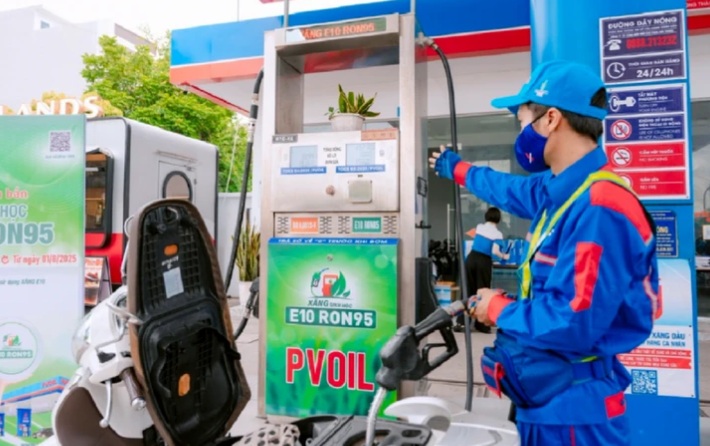
E5 and E10 are biofuels, produced by blending traditional mineral gasoline with bioethanol. E5 contains 5% ethanol and 95% mineral gasoline, while E10 has a higher ethanol content at 10%, with the remainder being mineral gasoline.
The ethanol used in biofuels is derived from the fermentation of agricultural materials such as starch, molasses, and agricultural by-products. In Vietnam, the primary raw material currently used is dried cassava chips.
Compared to regular unleaded gasoline, ethanol is considered a “carbon-neutral” fuel to some extent. During their growth, plants absorb a significant amount of CO₂, which helps offset a portion of the greenhouse gases emitted during fuel production and combustion.
Impact of Biofuels on Engines
One notable advantage of ethanol is its very high octane rating, ranging from 108 to 109 RON. When blended with gasoline, ethanol increases the fuel’s octane rating, enhancing its knock resistance in engines.
Additionally, ethanol has a higher oxygen content than mineral gasoline, enabling more complete combustion in the engine’s cylinders. This not only reduces harmful emissions like CO and HC but also ensures smoother and more efficient engine operation under certain conditions.
For E5 and E10 gasoline, users do not need to make technical adjustments when switching from traditional gasoline to biofuels, provided their engines are compatible. However, using fuels with ethanol content exceeding 10% increases the risk of damage to metal components, rubber seals, plastics, and polymers in the fuel system.
Are E5 and E10 Compatible with Older Cars and Motorcycles?
According to technical experts, most cars and motorcycles manufactured from around 2011 onward are designed to be compatible with E5 and E10 biofuels. These vehicles can use biofuels without any modifications.
However, for older vehicles, especially those with carburetors, users should carefully check the manufacturer’s recommendations. Information about suitable fuel types is typically found in the user manual, on a label inside the fuel tank cap, or can be confirmed directly with the vehicle manufacturer.
If an engine not designed for biofuels is used with E5 or E10, ethanol’s hygroscopic and corrosive properties can damage the fuel injection system, rubber seals, fuel lines, and combustion chamber. Conversely, vehicles designed for biofuels use corrosion-resistant materials and fuel systems, ensuring long-term safe operation.
Important Considerations When Using E5 and E10
Even for compatible vehicles, users must be aware of biofuels’ hygroscopic nature. If a vehicle is unused for extended periods (3–4 weeks or more), ethanol can absorb moisture from the air, causing separation between gasoline and water-laden ethanol. The heavier water settles at the bottom of the tank, potentially causing rust and damaging the fuel pump when the vehicle is restarted.
While the theoretical shelf life of E5 and E10 is around three months, users cannot accurately determine the fuel’s production date. Therefore, experts recommend draining the fuel tank or using fuel stabilizers if a vehicle is stored for long periods to minimize risks.
Furthermore, using biofuels requires more frequent maintenance, particularly replacing fuel filters earlier than when using traditional A92 or A95 gasoline, to ensure stable fuel system operation.
Illustrative Image: Internet
Traditional Gasoline Officially Makes Way for E10 Starting June 2026

The Ministry of Industry and Trade has recently issued Circular 50/2025/TT-BCT, outlining the roadmap for blending biofuels with traditional petroleum fuels.
“Biofuel E10 Now Available in Vietnam’s Three Major Cities”

From August 1st, 2025, E10 RON95 biofuel will be available at 42 gas stations in Ho Chi Minh City, Hanoi, and Haiphong.
“The ‘Electric’ Bentley Bentayga from China: A Hybrid Marvel at 75 Million VND”

Introducing the all-new, ultra-compact electric car that’s taking the automotive world by storm. Inspired by the iconic Bentley Bentayga, this Chinese-made vehicle is turning heads not just for its sleek design, but also for its revolutionary fuel-based charging system. That’s right; this little car packs a big punch with a price tag of just 75 million VND.
Toyota Announces Official Pricing for the 2024 Camry: Starting at VND 1.22 Billion

Toyota Motor Vietnam is proud to announce the official retail price for the all-new 2024 Camry, which was unveiled at the Vietnam Motor Show last October.
Kia Carnival 2024: Hybrid Version Now Available, Starting from 645 Million VND

The existing version of the Kia Carnival is widely regarded as one of the most aesthetically pleasing MPVs in its category. As a result, the latest upgrade focuses primarily on making minor tweaks to the exterior design. However, the vehicle has undergone substantial technological advancements and now offers a hybrid variant.