











Recently, images of a black Jaguar F-Pace SVR captured by the Jaguar Enthusiasts Club on the F-Pace production line at the Solihull plant on December 19, 2025, revealed it as the final internal combustion engine model produced by Jaguar.
After rolling off the assembly line, the black SUV will be handed over to the Jaguar Daimler Heritage Trust in Gaydon. Initially, this V8-powered sports utility vehicle will be displayed alongside the first Jaguar SS Saloon and the last XE Saloon.
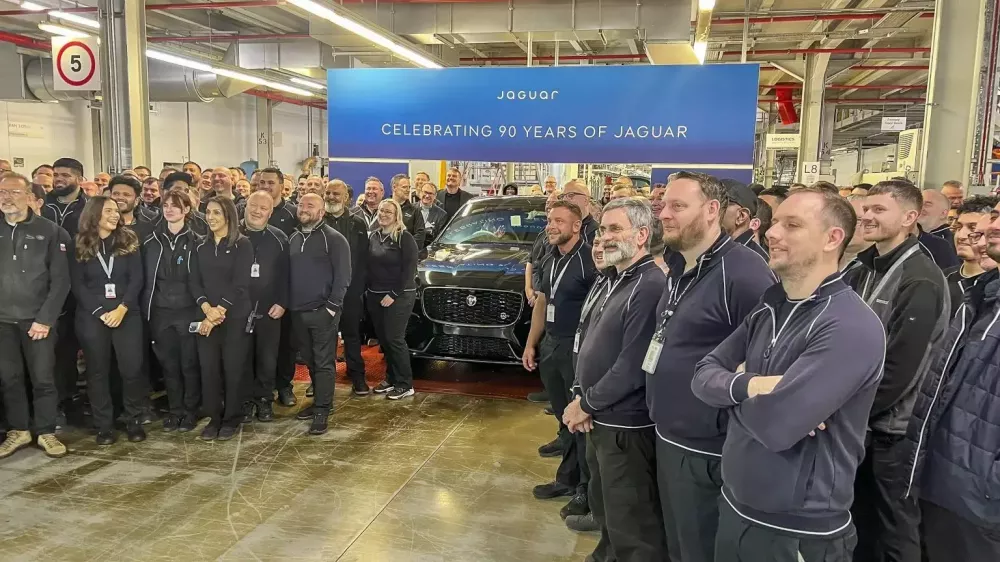
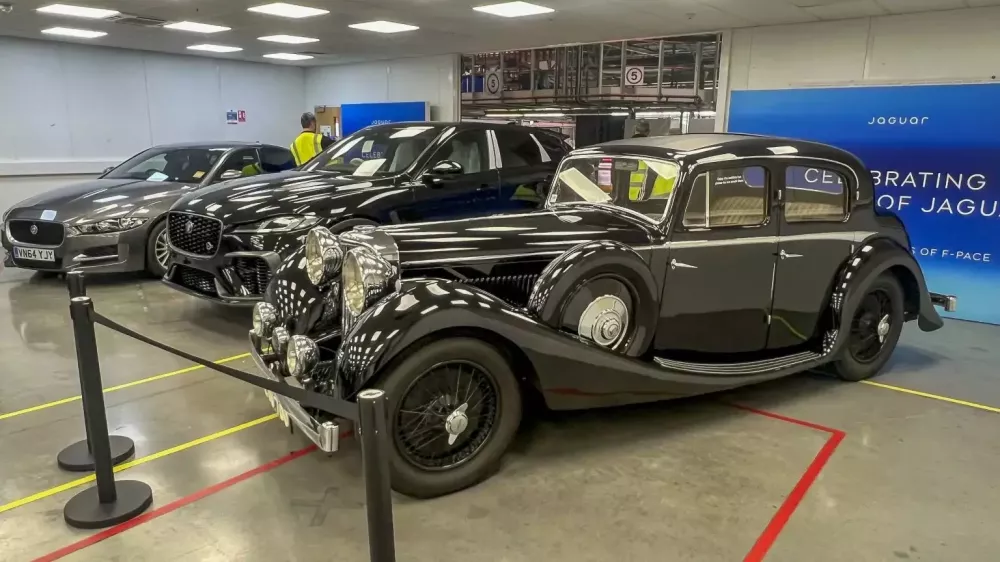
Solihull remains a pivotal hub for Jaguar Land Rover, now more prominently associated with Land Rover than Jaguar. In reality, the Range Rover brand is driving the manufacturer’s success more than its counterpart. Solihull will continue as the primary production site for the Range Rover and Range Rover Sport, undergoing significant retooling to prepare for the 2026 Range Rover Electric.
Jaguar Land Rover has announced plans to transition exclusively to battery-electric vehicles, committing to all-electric options for the Discovery and Defender by 2030. Meanwhile, Jaguar is shifting entirely to electric power with the Type 00.
Speculated to be named the I-Type upon mass production, the all-electric grand tourer, introduced via the Jaguar Type 00 concept, is expected to enter production by late 2027. Internally designated as the X900, this opulent vehicle boasts three electric motors generating over 1,000 horsepower.
Two electric motors power the rear wheels, with a standard torque distribution of 30% to the front and 70% to the rear. Equipped with 23-inch wheels, the vehicle is projected to weigh under 2,750 kg. Similar to the concept, the production version lacks rear windows.
A solid rear panel replaces them, and a compact trunk lid opens to reveal a relatively small cargo area. Jaguar aims for a range exceeding 430 miles (692 km) in EPA tests, likely from a battery capacity surpassing 100 kWh.
The new Jaguar electric architecture will also underpin a large SUV, expected to indirectly replace the F-Pace in the lineup. By the decade’s end, a sedan replacing the XJ will complete the trio of Jaguar electric architecture vehicles.
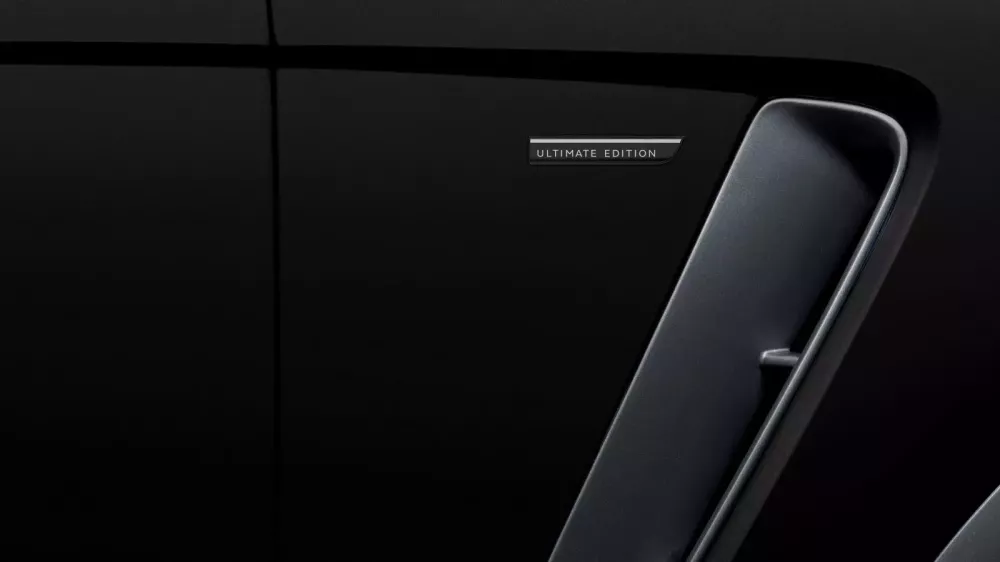
Although the F-Pace is now history, Jaguar’s U.S. website still allows prospective buyers to configure and price this rear-wheel-drive SUV. Currently, only two engine options are available: the four-cylinder P250 gasoline engine and the SVR’s eight-cylinder P575.
Delivering 567 horsepower at peak RPM, the 5.0-liter supercharged V8 debuted in 2009, initially powering the XFR and XKR models. Developed during Ford’s stewardship of Jaguar, this engine is considered a Jaguar design.
The Ultimate Test: Pushing the Electric Range Rover to its Limits in the World’s Harshest Environments
The Range Rover Electric prototypes are undergoing an arduous testing process in the United Arab Emirates, a region known for its extreme weather conditions. This challenging environment will push the vehicles to their limits, ensuring they are more than capable of handling anything the world can throw at them.
The All-New Range Rover EV Unveiled: Promising Unparalleled Off-Road Capabilities

The Range Rover Electric has been spotted undergoing road tests sans any camouflage, indicating that the SUV’s development phase is nearing completion and that it is almost ready for its market debut.
Range Rover Electric receives a storm of preorders despite not being launched

Despite not being released yet, the first electric model from Range Rover has already received an overwhelming number of pre-orders, totaling 16,000 orders.
The Range Rover Electric: Unmatched V8 Engine Performance and Superior Off-Road Capability

Get ready to experience the future of luxury electric vehicles with the Range Rover Electric. It’s time to take luxury and sustainability to new heights.
Land Rover introduces all-new Range Rover, set to redefine luxury electric SUV experience

JLR recently revealed that the upcoming electric Range Rover will offer the same power as its V8 engine counterpart, along with a host of advanced technologies and outstanding off-road capabilities that are unparalleled in its class.