
























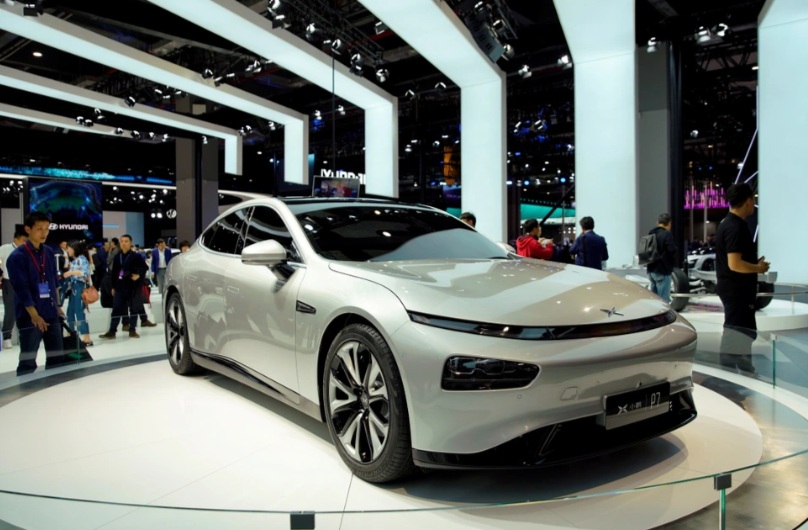
The global automotive market is witnessing a dramatic shift as developing nations, particularly in Southeast Asia, are no longer mere followers but have emerged as leaders in the transportation electrification movement.
According to the latest report from energy analysis firm Ember, 2025 marks a historic milestone: one in every four new cars sold globally will be an electric vehicle (EV), pushing the share beyond 25%.
The most remarkable surge is occurring in the ASEAN region, where Vietnam and Singapore are shining as the brightest stars. EV adoption rates in these two countries have reached an astonishing 40%, surpassing even established markets like the European Union (EU) and the United Kingdom. Thailand is not far behind, with EVs accounting for 20% of sales in the first nine months of 2025, outpacing Denmark. Meanwhile, Indonesia has overtaken the United States in market penetration, with EVs claiming a 15% market share.
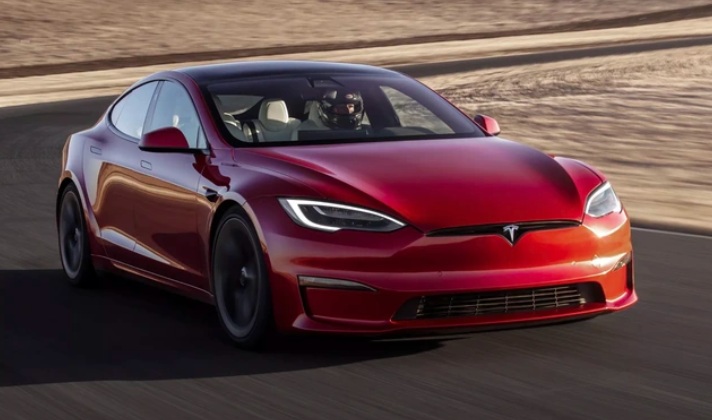
The global electrification landscape is transforming at an unprecedented pace. In 2019, only four countries reported EVs making up more than 10% of new car sales. By 2025, this number has skyrocketed to 39 nations. Notably, emerging economies are driving this surge. In South America, Uruguay’s EV adoption rate matches the EU average at 27%. Even Brazil and Mexico have surpassed Japan, where EV market share has stagnated at a mere 3% over the past three years.
The primary catalyst for this leap is the strategic shift by Chinese EV manufacturers. Since mid-2023, capital and products from China have flooded non-OECD markets. With favorable tax policies and incentives for local assembly, countries like Indonesia, Brazil, and Mexico have rapidly become new EV hubs. The introduction of affordably priced, technologically advanced vehicles has broken down psychological barriers for consumers in developing nations.
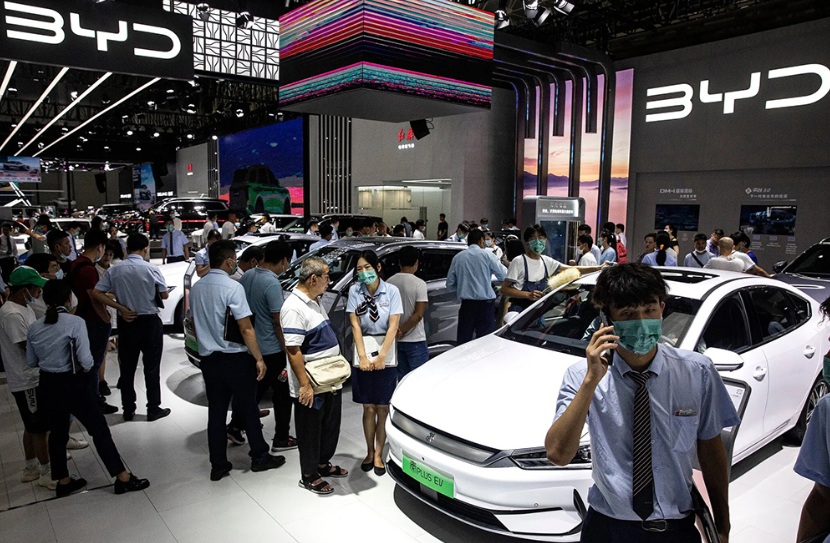
The implications of this shift extend beyond vehicle sales, impacting energy security and the environment. In Brazil, the combination of clean energy infrastructure and EVs has slashed fossil fuel demand in the transportation sector by 90%. Indonesia has seen a nearly 50% reduction, significantly easing pressure on its oil import trade balance.
TH (Tuoitrethudo)
Why Chinese Electric Vehicles Dominate ASEAN but Struggle in Vietnam
While neighboring countries like Thailand, Indonesia, and Malaysia have become prime markets for Chinese electric vehicle (EV) manufacturers, Vietnam stands out as a unique anomaly in the regional green mobility landscape.
Electric Vehicles Dominate Domestic Market as Chinese Gasoline Cars Flood Overseas

The electric vehicle revolution has completely transformed China’s automotive landscape, relegating once-dominant gasoline cars to the periphery of the industry.
Skoda Selects Vietnam as New Electric Vehicle Production Hub

The Czech automotive brand is strategically positioning Vietnam as its new regional manufacturing hub, with a particular focus on electric vehicles—a sector poised for explosive growth in the coming decade.
Volvo Unveils New S90 and XC60 Luxury Models in Vietnam This Month
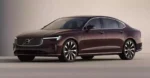
The current pricing for the new Volvo S90 and XC60 in the Vietnamese market remains shrouded in mystery.
Sharp Unveils First Electric Vehicle with Luxurious Cabin, Redefining Mobile Living

Once synonymous with household electronics like TVs, microwaves, and air purifiers, Sharp is now embarking on a new chapter in its evolution, bringing its cutting-edge technology to the realm of transportation.