












Consumer Reports’ annual car reliability rankings reveal significant shifts as global automakers accelerate their electrification efforts.
A familiar Japanese brand unexpectedly dropped from the top tier, while an American automaker made a strong leap, entering the top 10 most reliable brands for the first time.
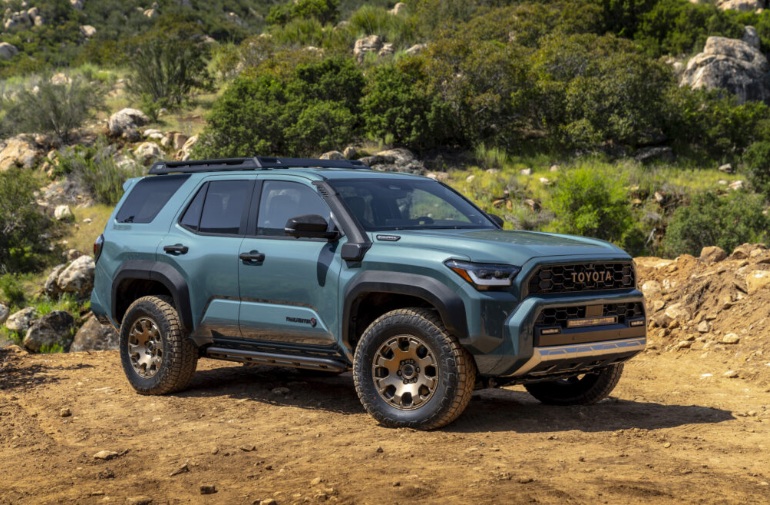
At the top, the order remains largely unchanged. Toyota, Subaru, and Lexus continue to dominate the top three spots, reinforcing their long-standing reputation for durability and stability. Honda and BMW follow closely, completing the top five most reliable brands this year.
The rankings are compiled from user surveys, evaluating approximately 20 potential problem areas, ranging from interior details and electronic systems to critical issues like engine, transmission, or battery failures. Notably, traditional non-plug-in hybrid models are emerging as a “bright spot,” offering both fuel efficiency and higher reliability compared to pure gasoline or more complex electrified vehicles.
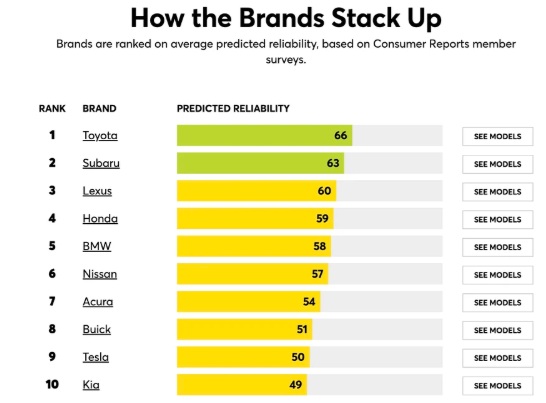
Consumer Reports’ data shows that out of 26 ranked brands, 13 of the least reliable models are electric vehicles (EVs) or plug-in hybrids (PHEVs). Conversely, no traditional hybrids made this list, highlighting the technical challenges automakers face in transitioning to new powertrains.
Kia exemplifies the disparity between technologies. While the Korean brand remains in the top 10 for overall reliability, its product lineup shows significant variation. The Carnival hybrid earns the highest recommendation, while one of its electric models receives a very low score, indicating inconsistent stability across its range.
Even traditionally reliable brands face challenges with electric vehicles. Despite ranking among the top three, Honda’s new electric Prolugue model scores below average due to issues with its electric powertrain, proving that electrification remains a complex task even for experienced manufacturers.
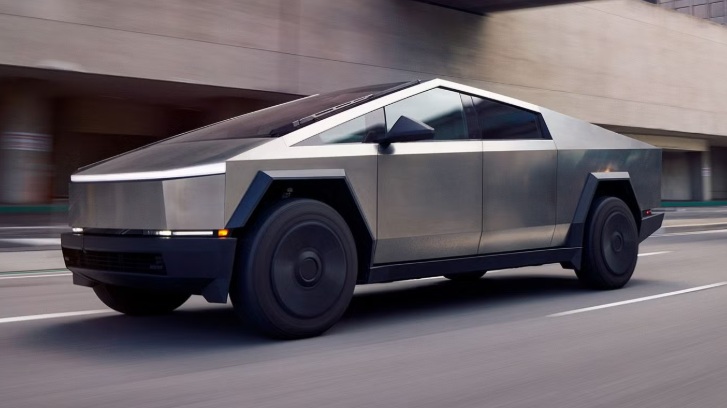
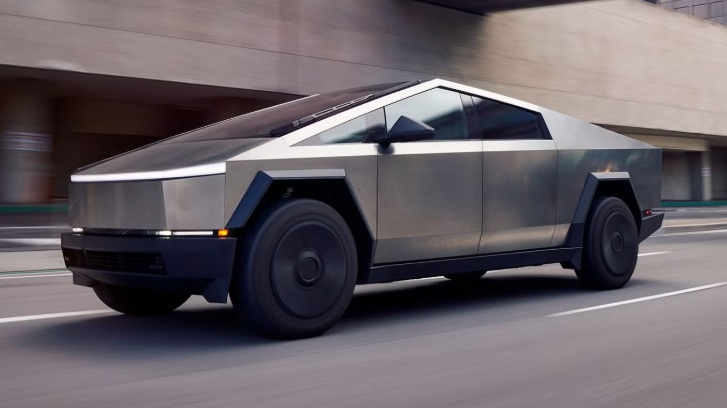
On the flip side, Tesla is this year’s biggest surprise, climbing 8 spots to reach 9th place. Consumer Reports notes significant improvements in areas previously criticized, such as body finish, paint quality, and electronic system stability. However, not all Tesla models have been redeemed. The Cybertruck pickup remains below average in reliability, and the Model X, with its complex falcon-wing doors, still lacks a recommendation.
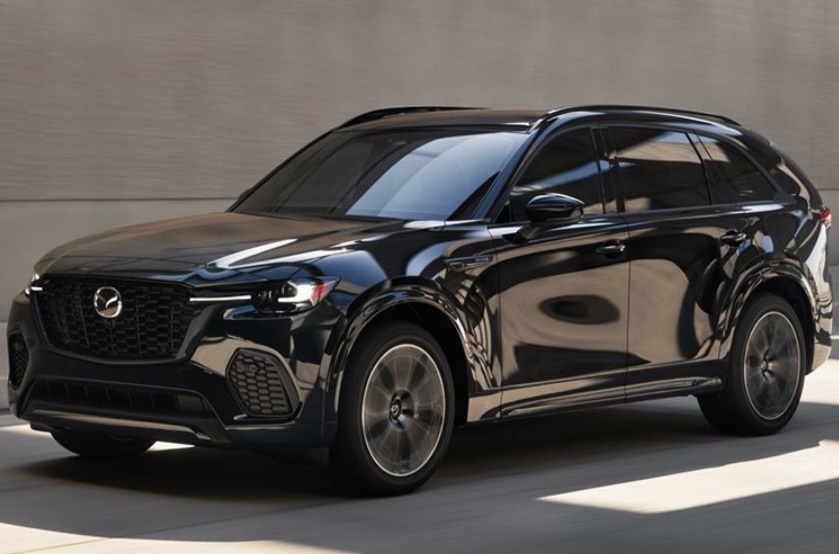
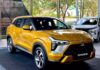
In contrast to Tesla’s rise, Mazda experienced a steep decline, dropping 8 places from last year. The primary cause is its midsize SUVs, the CX-70 and CX-90. Instead of relying on proven platforms and powertrains like Toyota or Subaru, Mazda opted for a riskier approach with new engines, transmissions, and rear-wheel-drive systems. Both the internal combustion and PHEV versions of these SUVs have encountered issues, particularly with batteries and electric motors. These problems have significantly impacted Mazda’s hard-earned reliability reputation and underscore the risks of rapid technological innovation.
This year’s rankings not only reflect each brand’s durability but also paint a broader picture of the global automotive industry: electrification is inevitable, but achieving reliability on par with or surpassing traditional technologies remains a challenging journey.
TH (Tuoitrethudo)
Electric Vehicle Boom Strains Infrastructure: Can Vietnam Meet Its 2030 Deadline?
Vietnam stands at a pivotal crossroads in its transportation sector. Electric vehicles, once considered a distant future prospect, have now emerged as an urgent and tangible reality.
VinFast Upgrades Entire Product Line and Launches Limo Green Edition for Consumers Next Year
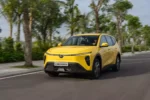
With its upgraded product line, new hybrid vehicles, and user-centric version of Limo Green, VinFast is poised to maintain its leadership in Vietnam’s automotive market in terms of sales throughout 2026.
VinFast Partners with Indonesian Banks and Financial Firms to Accelerate Green Transition

VinFast has signed a Memorandum of Understanding (MoU) with leading Indonesian financial partners to strengthen collaboration in advancing green transformation initiatives.
VinFast Sets New Record: Delivers Over 20,000 Cars to Vietnamese Customers in October 2025
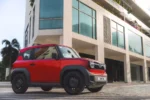
VinFast has made history as the first automotive brand in Vietnam to sell over 20,000 vehicles in a single month, setting a remarkable milestone in the country’s automotive industry.
Hydrogen-Powered Vehicles: The Potential Backbone of a Green Transportation Future
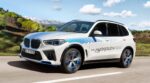
In a bid to curb emissions and transition to sustainable transportation, numerous countries are actively exploring alternatives to conventional internal combustion engines.