























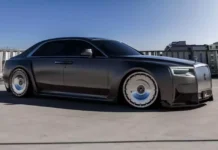





The Vietnamese automobile market in early 2026 is poised for a significant shift as prices of many imported luxury vehicles are expected to drop by hundreds of millions of dong.
This wave of price reductions stems from the combined effect of the tariff reduction roadmap outlined in free trade agreements and new incentives for eco-friendly vehicles.
Under the EU-Vietnam Free Trade Agreement (EVFTA), since 2020, import tariffs on completely built-up automobiles from Europe have been steadily decreasing by over 7% annually. By 2026, this tariff will drop to approximately 28% for vehicles with engine displacements under 3.0L and 23% for those above 3.0L. Similarly, within the CPTPP framework, import tariffs on automobiles from member countries, particularly key markets like Japan, will see an additional 6% reduction compared to 2025.
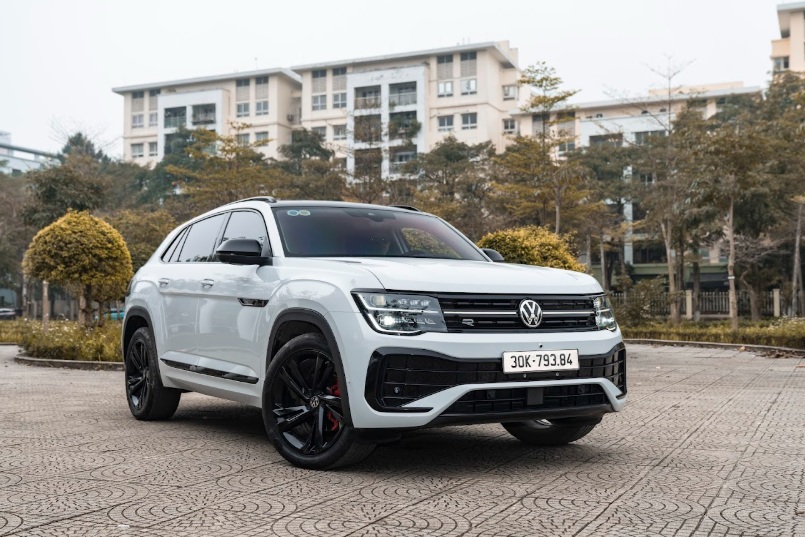
Notably, the amended Special Consumption Tax Law, effective from January 1, 2026, will provide a significant boost for hybrid vehicles. The new regulation eliminates the preferential distinction between plug-in hybrids (PHEV) and self-charging hybrids (HEV). Consequently, all HEV models will be subject to a special consumption tax rate of 70% compared to conventional gasoline vehicles. This is welcome news for enthusiasts of premium vehicles from Japan and Europe, which are actively transitioning to hybrid technology.
The reduction in import tariffs not only directly lowers costs but also creates a “cascading tax reduction” effect. Since special consumption tax and value-added tax are calculated based on the vehicle’s value inclusive of import tariffs, the overall reduction will be substantial. Calculations indicate that a luxury vehicle imported from the EU with a declared value of $30,000 (787.9 million VND) will see a decrease of approximately $3,000 (80 million VND) in 2026. For high-value supercars with large engine displacements, the reduction could reach billions of dong.

This tariff reduction roadmap presents a significant opportunity for domestic consumers to access renowned brands such as Mercedes-Benz, Audi, BMW, Land Rover, and premium Japanese models like Lexus, Land Cruiser, and Alphard at more competitive prices. The introduction of numerous affordable luxury vehicles will not only invigorate the market but also drive a consumer shift from economy cars to high-end, environmentally friendly models.
TH (Tuoitrethudo)
Hybrid Cars to Enjoy Tax Breaks from 2026: Save Up to Hundreds of Millions of Dong on Your Purchase

The Vietnamese automotive market is on the cusp of a historic transformation, paving the way for a greener future with the rise of eco-friendly vehicles.
VinFast’s Upcoming Hybrid Car Models: Leaked Designs of Three New Vehicles Set to Launch in Vietnam
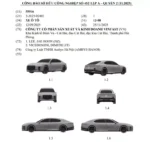
VinFast’s three new car models are predicted to be hybrids, primarily due to their notably large grille designs.
Honda Vietnam to Commence Local Assembly of CR-V e:HEV at Phu Tho Plant by 2026

Honda Vietnam (HVN) has officially announced that it will commence the assembly of the CR-V e:HEV model at its Phu Tho factory starting in early 2026.
Massive Price Cuts on Hybrid Cars Kickstart Vietnam’s Green Vehicle Race in 2026

In less than two months, the new tax and fee incentives for hybrid vehicles will officially take effect.
Mitsubishi Xforce HEV 2026 Launches in Southeast Asia: Starting at $31,000 USD

The Southeast Asian automotive market is buzzing with the arrival of the all-new Mitsubishi Xforce HEV 2026, marking a significant milestone in the Japanese automaker’s regional electrification strategy.