
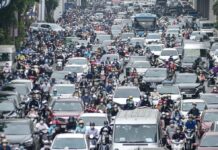















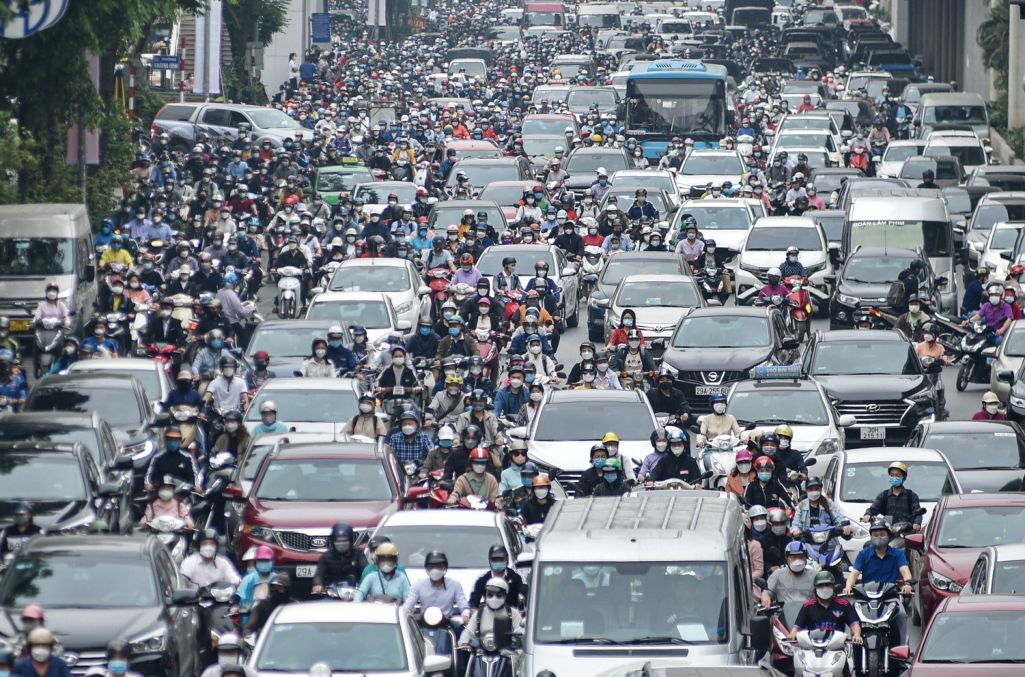
In a decisive move to tackle environmental pollution hotspots, the Hanoi People’s Committee has officially launched a comprehensive plan to transition toward green transportation.
A standout feature of this initiative is the introduction of a low-emission vehicle identification system, utilizing distinct license plate colors and integrated QR codes.
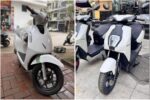
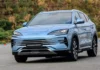
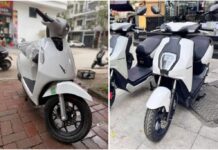
According to the plan announced on December 26, Hanoi will establish Low Emission Zones (LEZs) to restrict the movement of polluting vehicles. To ensure the system’s effectiveness, the city will categorize vehicles based on their environmental impact. Specifically, eco-friendly vehicles such as electric cars, hybrid electric vehicles (HEVs), and plug-in hybrid electric vehicles (PHEVs) will receive license plates with unique color schemes, clearly differentiating them from traditional gasoline and diesel vehicles.
In addition to redesigned license plates, authorities plan to embed QR codes verifying “green vehicle” status into the electronic traffic registration and toll collection system (ETC). This technological integration, combined with a network of surveillance cameras, will enable efficient traffic management and automatic identification of vehicles entering and exiting low-emission zones.

This “labeling” system serves a dual purpose: facilitating vehicle identification and providing a basis for implementing targeted incentives or traffic fee adjustments. Owners of eco-friendly vehicles may enjoy benefits such as reduced parking fees, toll discounts, or priority access to congested urban areas.
This model has already proven successful in several advanced countries. In China, new energy vehicles are identified by green license plates, exempting them from odd-even day driving restrictions. South Korea introduced light blue plates for electric and hydrogen vehicles in 2017, offering reduced parking fees and priority charging access. Similarly, the UK marks fully electric vehicles with a distinctive green stripe on their plates to differentiate them from internal combustion engine vehicles.
With this initiative, Hanoi demonstrates its commitment to reducing emissions and building a more sustainable and modern urban environment in the near future.
Hanoi Allocates $1.06 Billion for Red River Tunnel Construction by 2026
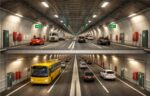
In its upcoming transportation infrastructure development plan, Hanoi is considering the investment in an underground tunnel crossing the Red River in the southern area.
Top Plug-in Hybrid Electric Vehicles (PHEVs) Available in Vietnam Today

In the transition to greener transportation, plug-in hybrid electric vehicles (PHEVs) are emerging as a balanced solution between traditional gasoline cars and fully electric vehicles.
Hanoi Mandates Green Vehicles for All Taxis and Commercial Cars Starting July 1, 2026
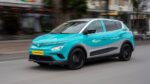
According to the draft Resolution on Low Emission Zones recently submitted by the Hanoi People’s Committee to the People’s Council for consideration, the city proposes a comprehensive transition roadmap to clean energy-powered vehicles for all commercial transport services.
Tasco Auto and Esky Partner to Develop Rapid Charging Infrastructure for Electric Vehicles in Vietnam
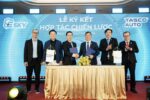
Tasco Auto (Tasco Auto Joint Stock Company) and Esky (Energy Sky Investment Trading Service Joint Stock Company) recently formalized their partnership by signing a Memorandum of Understanding (MoU) to jointly develop and operate a nationwide network of fast-charging stations for electric vehicles.
Hanoi Proposes Up to VND 5 Million Subsidy for Switching from Gasoline Motorcycles to Electric Bikes

Hanoi is considering a policy to incentivize residents to switch from gasoline-powered motorbikes to electric ones, as outlined in a draft proposal presented at the 28th session of the City People’s Council, held from November 26 to 28.