


















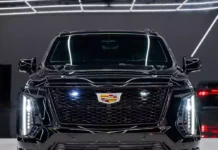





Starting in 2027, China will ban electric flush door handles, a feature increasingly common in modern vehicles. This decision follows numerous severe accidents where occupants and rescue teams were unable to open doors post-collision.

The first sign of this change emerged in mid-December 2025 when China’s Ministry of Industry and Information Technology proposed a new draft regulation. It mandates that all passenger vehicles under 3.5 tons must retain mechanical door functionality after accidents. Specifically, all vehicles must feature interior and exterior door handles with mechanical opening mechanisms, ensuring usability even without power or severe damage.
This regulation is a welcome relief for rescue teams, who increasingly struggle to swiftly extract passengers from modern electric vehicles post-collision.
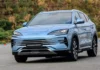
Electric flush door handles, popularized by models like the Tesla Model S and BYD Seal, have become a design hallmark of many modern electric vehicles in China. Tesla’s button-operated handles on the Model 3 and Model Y also fall into this category.
The appeal of these door handles lies primarily in their aerodynamic benefits, offering slight improvements in vehicle range. However, since 2024, an increasing number of car owners have complained about these handles. Not only do they become difficult to operate after accidents, but they can also malfunction in cold weather.
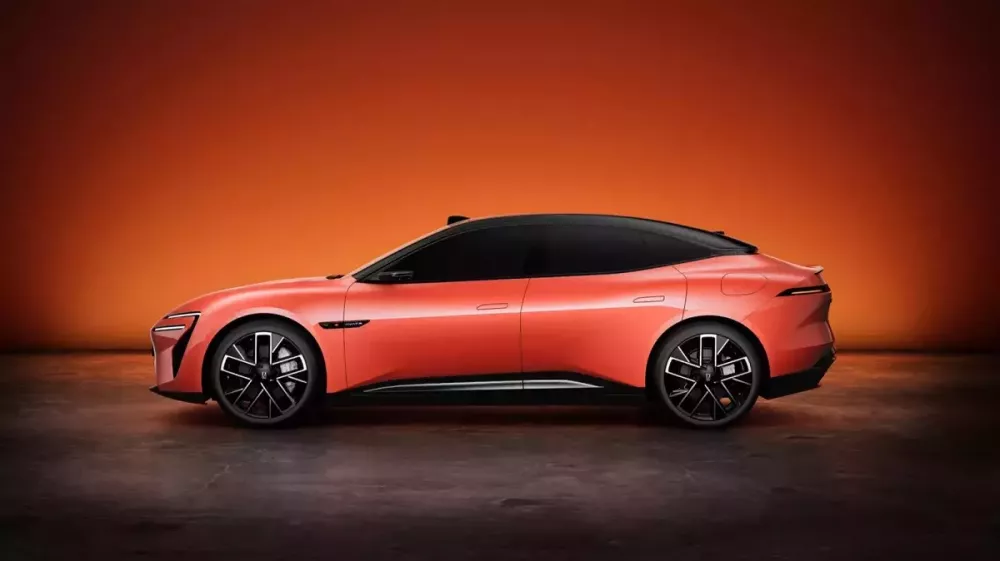
Hidden door handles offer a sleeker, more seamless design while reducing drag coefficients.
Several severe accidents involving flush door handles have occurred in China recently. On October 13, 2025, occupants of a crashed vehicle in Chengdu died because bystanders couldn’t open the doors. Similarly, three people perished in another accident in Tongling. According to Sixth Tone, both incidents involved the Xiaomi SU7 Ultra electric vehicle.
“The interior doors use buttons, rendering them inoperable without power. The SU7’s mechanical interior handles are also difficult to locate for occupants. Even after breaking the glass, rescuers struggled to access these handles,” a source told The Paper following one of the accidents.
Speculation about China banning these door handles began in September 2025. While manufacturers often promote hidden handles for efficiency, the actual benefits may be negligible. Reports suggest that the reduction in drag coefficients from hidden handles is typically only 0.005–0.01 Cd, equivalent to saving approximately 0.6 kWh/100 km.
China’s ban will have global implications. The country has surpassed Japan as the world’s largest automobile exporter. As domestic brands are forced to abandon these handles in their home market, they will likely implement similar changes in export models.
Similarly, Western automakers selling vehicles in China may need to adjust their global designs to comply with the new standards and optimize production costs.
Mansory Never Says No to Any Customization Project, Not Even the Tesla Cybertruck Pickup
Mansory’s extended Tesla Cybertruck has garnered significant attention, with many praising its bold and innovative design. Notably, few tuning companies have previously ventured into modifying Elon Musk’s iconic electric pickup truck, making this customization all the more remarkable.
Toyota Corolla Unveils Special Edition: Extended Wheelbase and Huawei OS Integration

While global consumers eagerly await the next generation, Toyota has surprised everyone by unveiling a special upgrade to the Corolla, featuring a larger size and cutting-edge technology.
Electric Vehicles Dominate Domestic Market as Chinese Gasoline Cars Flood Overseas

The electric vehicle revolution has completely transformed China’s automotive landscape, relegating once-dominant gasoline cars to the periphery of the industry.
Omoda 4 Set for Assembly in Vietnam: A Lamborghini Urus-Inspired Design

Omoda 4 is set to commence local assembly at the company’s Hung Yen facility starting June 2026, as per the outlined schedule.
Drone Trials Set to Revolutionize Rescue and Delivery Services in Ho Chi Minh City
Ho Chi Minh City is set to pilot the use of drones for emergency rescue and delivery services, marking a significant step forward in leveraging advanced technology to enhance urban safety and efficiency.