








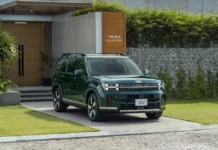

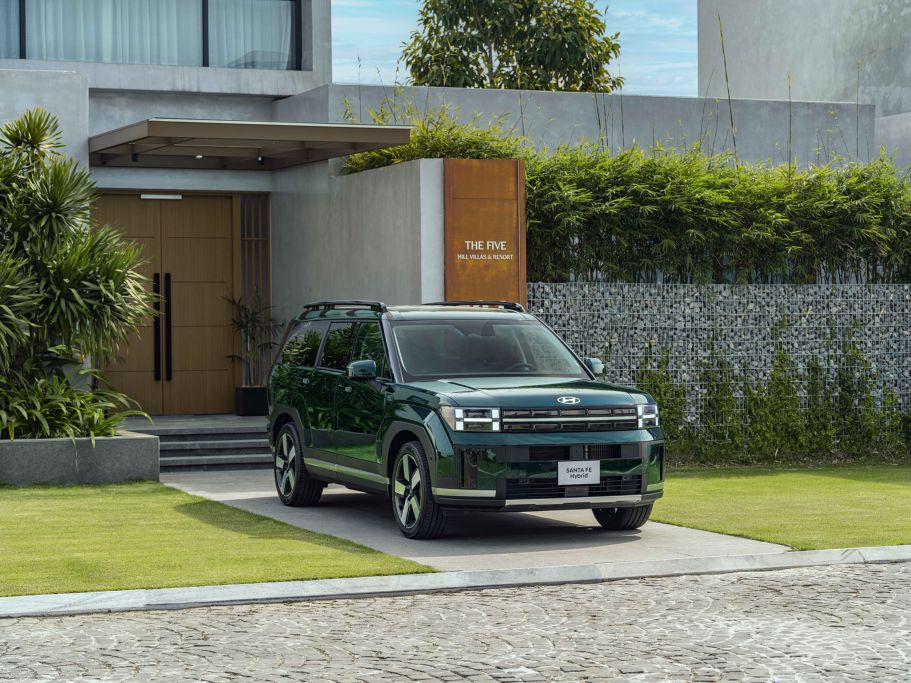
The year 2025 marked a significant slowdown for Hyundai in Vietnam’s automotive market, with a notable decline in sales compared to the previous two years.
By the end of 2025, Hyundai recorded a total of 53,229 vehicles sold. While still among the market leaders, the brand failed to maintain the steady growth seen in 2023–2024, indicating a waning appeal amidst intensifying market competition.
Hyundai’s decelerated growth stems not only from internal product factors but also reflects the rapid shift in Vietnamese consumer behavior.
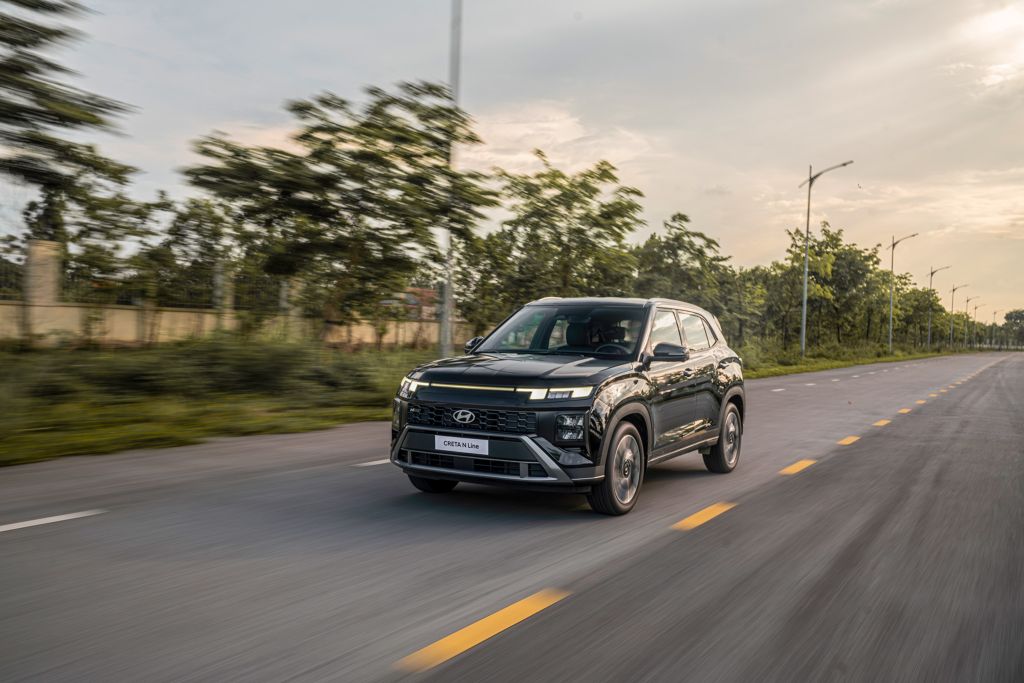
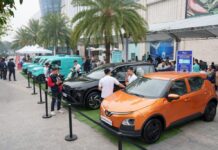
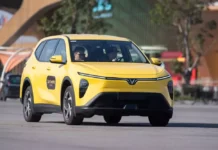
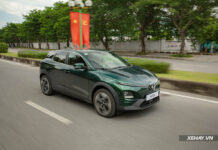
One of the most evident signs is Hyundai’s diminishing dominance in segments once considered its strongholds. In the B-segment SUV/CUV category, the Hyundai Creta no longer holds its overwhelming advantage as consumers increasingly favor electric and technologically advanced vehicles. The rise of VinFast VF 6, with its cost-effective ownership, robust after-sales policies, and electrification trend, has significantly pressured traditional internal combustion engine SUVs.
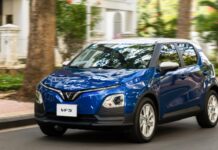
Similarly, in the A-segment urban car category, the Hyundai Grand i10 has lost its market leadership. The introduction of the VinFast VF 3—an affordable electric compact car with low operating costs—has reshaped preferences among first-time buyers, historically the Grand i10’s core demographic.
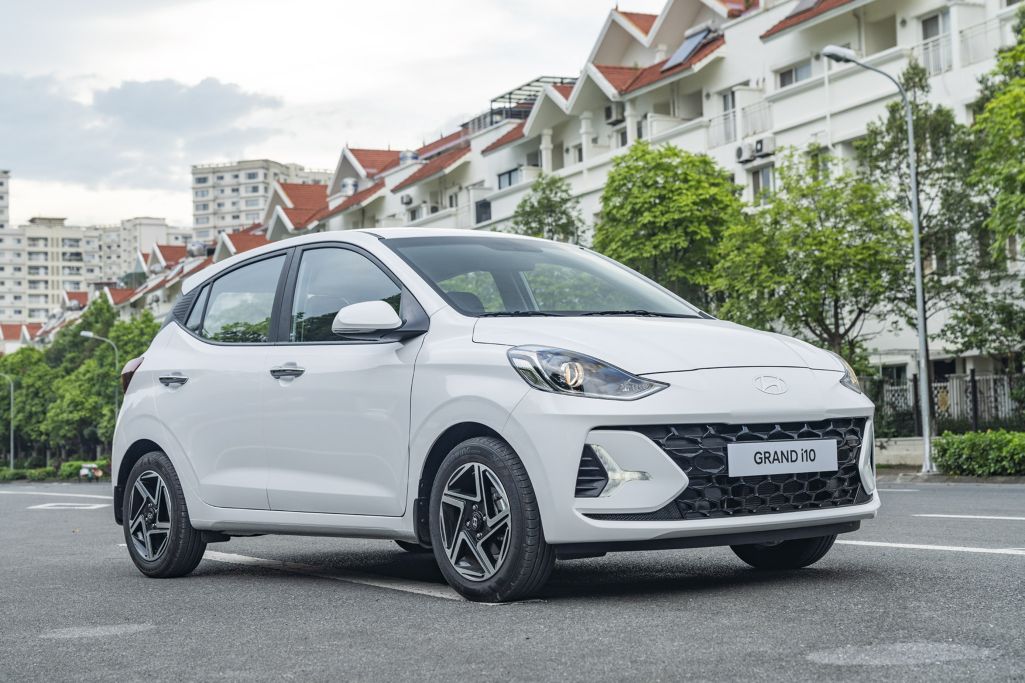
Losing ground in these lucrative segments presents Hyundai with a complex challenge. Vietnam’s faster-than-expected transition from gasoline to electric vehicles has diminished the appeal of the brand’s traditional lineup. While the Hyundai Tucson continues to perform impressively, it alone cannot offset the gaps left by smaller models.
Beyond new competitors, the 2025 market became fiercer with an influx of diverse brands and products, particularly electric and hybrid vehicles. Hyundai’s Vietnam portfolio, heavily reliant on internal combustion engines, lacks a standout electrification strategy compared to more proactive rivals.
From a market perspective, Hyundai’s 2025 sales dip reflects broader shifts in Vietnamese consumer preferences. Buyers now prioritize technology, long-term ownership costs, and sustainability over brand loyalty or familiar designs.
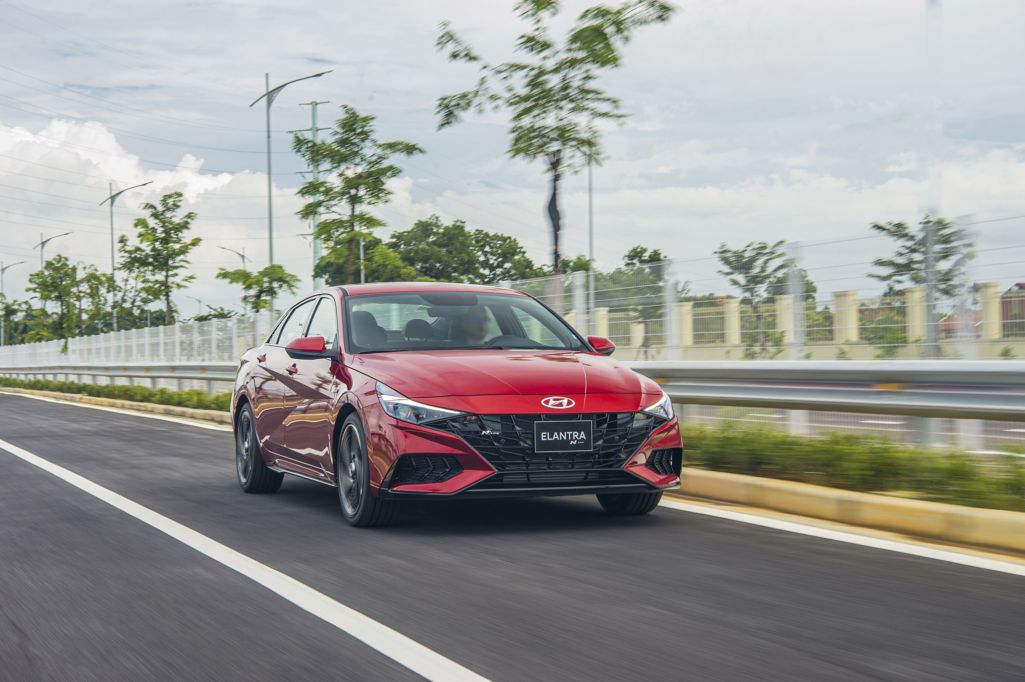
Nevertheless, Hyundai’s reduced 2025 sales do not signify a loss of market position. The brand retains an extensive distribution network, a diverse product range, and a substantial customer base. However, the downward sales trend signals the need for bolder adjustments in product development, electrification strategy, and market approach to regain growth momentum in the coming years.
TH (Otoxemay)
Maximize Earnings, Minimize Costs: The Driver’s Guide to Profitable Rides and Efficient Savings

VinFast’s Green line vehicles, specifically designed for commercial use, are setting new standards in cost efficiency. With remarkably low fuel and maintenance expenses, these models empower drivers to optimize cash flow and enhance long-term profitability.
Zeekr Enters Vietnam: Geely’s Strategic Ace in the Premium Electric Vehicle Arena
In the world of electric vehicles, Zeekr is often likened to a “prodigal heir,” born with a head start at the finish line.
Top 10 Best-Selling Cars in Vietnam 2025: Electric Vehicles Dominate, Redefining the Automotive Landscape

The Vietnamese automotive market has just concluded a tumultuous 2025, marked by significant highs and lows.
VinFast Launches Four New Electric Motorcycles, Completes Installation of First 4,500 Battery Swap Stations
VinFast proudly unveils four cutting-edge electric motorbikes, catering to diverse mobility needs. Three models feature battery-swapping technology, while one integrates pedals, offering a compact design ideal for students.
VinFast Limo Green Secures Third Consecutive Win in the 2026 Car of the Year Awards: Five Prestigious Titles Announced
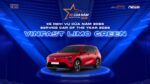
The 2026 Car of the Year Awards Ceremony was a resounding success, unveiling five prestigious titles, each honoring vehicles that excelled in distinct categories.