









In the era of electrification, as the high-performance sports car segment becomes increasingly homogenized and safe, Lotus Cars emerges as a distinct voice with its “For The Driver” ethos – prioritizing raw excitement and authenticity for the driver over the conventional, mass-appealing standards of safety and comfort.
Lotus and the “For the Drivers” Spirit: Catering to Driving Enthusiasts
In Vietnam, the luxury sports car segment has long been dominated by Porsche. However, this landscape is set to change with Lotus’s entry into the Vietnamese market in Q1 2026.
This marks not only a significant launch for the British sports car brand but also a challenge to the established order. Lotus brings distinct, emotionally charged driving experiences, ensuring high-performance sports cars are not confined to a single, generic template.
Over the years, the sports car and high-performance electric vehicle segments have adopted a familiar formula: accessibility, ease of use, and daily comfort, with a focus on “safe and balanced” standards to cater to the majority. German brands like Porsche, Audi, Mercedes, and BMW have largely shaped this approach. As performance becomes a given and all options conform to a single mold, the driving experience behind the wheel has become increasingly uniform. Consequently, the pure driving emotion—once the core of sports cars—has been overshadowed by convenience and mass appeal.
Founded in 1948 in Hethel, Norfolk, UK, Lotus’s founder Colin Chapman believed that commercial vehicles should embody the philosophy of the racetrack. This meant integrating motorsport technology into everyday life, ensuring every turn of the wheel and press of the pedal carries meaning. This vision gave rise to the “For The Drivers” philosophy, placing the driver at the heart of every technical and design decision.
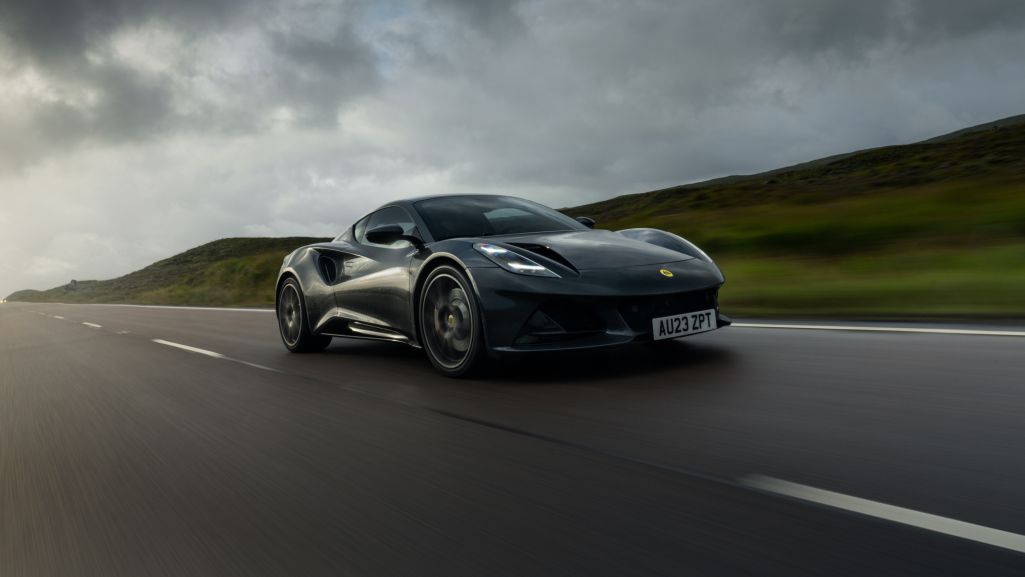
Over 75 years, Lotus has never strayed from this core identity. From Formula One victories that redefined aerodynamics and performance—through innovations like lightweight design, monocoque chassis, and ground effect aerodynamics—to iconic road cars designed for direct emotional engagement, Lotus has consistently challenged seemingly immutable standards.
As comfort and uniformity become the norm in the electric era, Lotus’s upcoming arrival in Vietnam is more than just a breath of fresh air. It’s a bold statement for those seeking novelty, pure performance, and individuality in the luxury sports and electric vehicle segments. It also raises a critical question: “In a world where comfort and performance metrics dominate, what makes the driving experience—once the essence of sports cars—truly memorable and unique?”
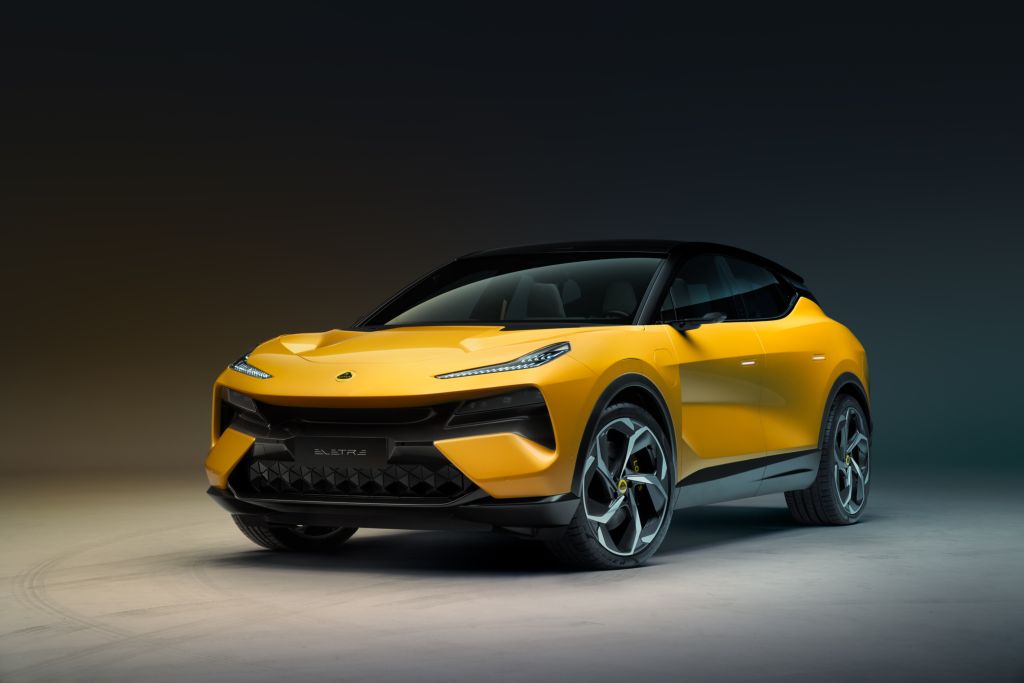
Positioned alongside Porsche in the sports car segment, Lotus stands apart by not catering to the masses. Instead, it offers a personalized, emotionally rich driving experience for those seeking more than conventional safety behind the wheel. Whether in internal combustion sports cars or pure electric models, Lotus remains true to its “For The Drivers” spirit: lightweight, responsive, and direct.
Emira – The Essence of Pure Driving Emotion
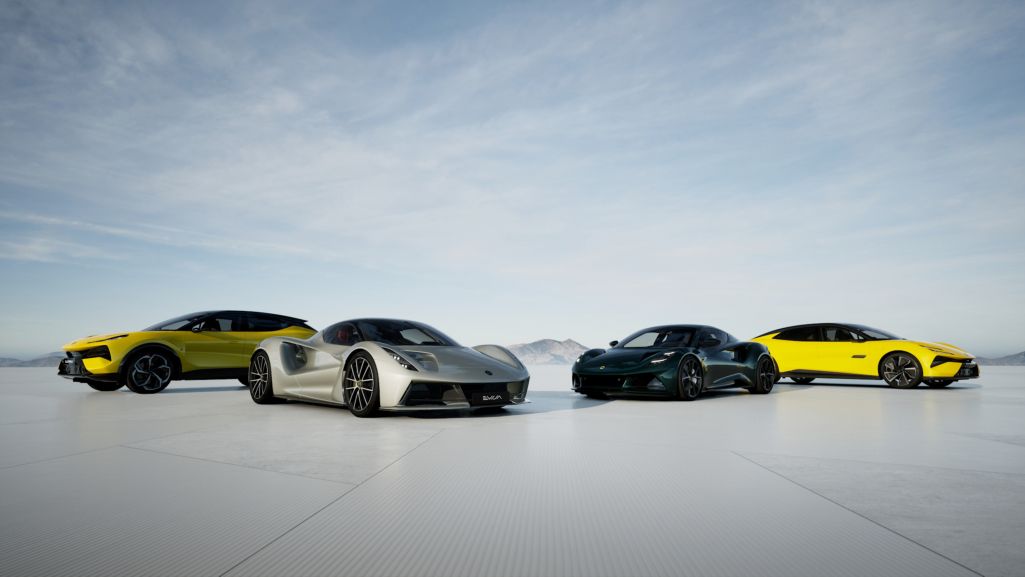
The “For The Drivers” philosophy lives on in the Lotus Emira. Building on the legacy of icons like the Exige, Elise, and Evora, the Emira represents a breakthrough in Lotus’s internal combustion sports car development. With variants like the Turbo, Turbo SE, and V6 SE, the Emira reaffirms that, despite technological advancements, driving emotion remains at the core of Lotus’s definition of performance.
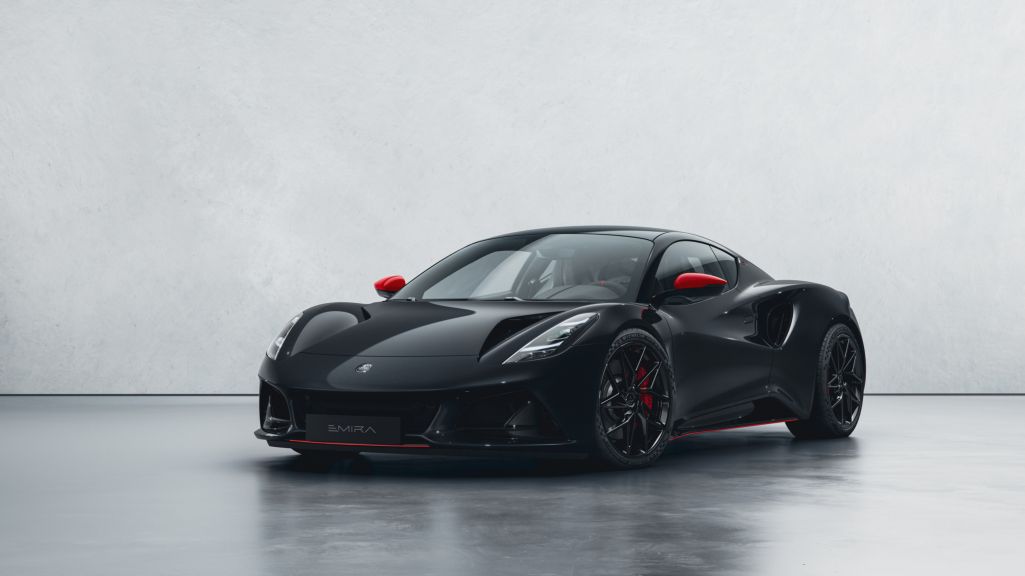
Even the entry-level Emira Turbo showcases its superiority. Powered by a 2.0L turbocharged inline-four engine producing 365 hp, it accelerates from 0-100 km/h in 4.4 seconds and reaches a top speed of 275 km/h—outperforming the standard Porsche 718, which delivers 300 hp and a 0-100 km/h time of 4.7 seconds.
The higher-performance Emira Turbo SE boosts output to 406 hp, achieving a 0-100 km/h sprint in 4.0 seconds and a top speed of 291 km/h. Meanwhile, the Emira V6 SE retains the raw mechanical feel with a supercharged 3.5L V6 engine, delivering 406 hp, a top speed of 290 km/h, and a 0-100 km/h time of 4.3 seconds. Every Emira is handcrafted in Hethel, the historic home of Lotus sports cars, underscoring the brand’s identity.
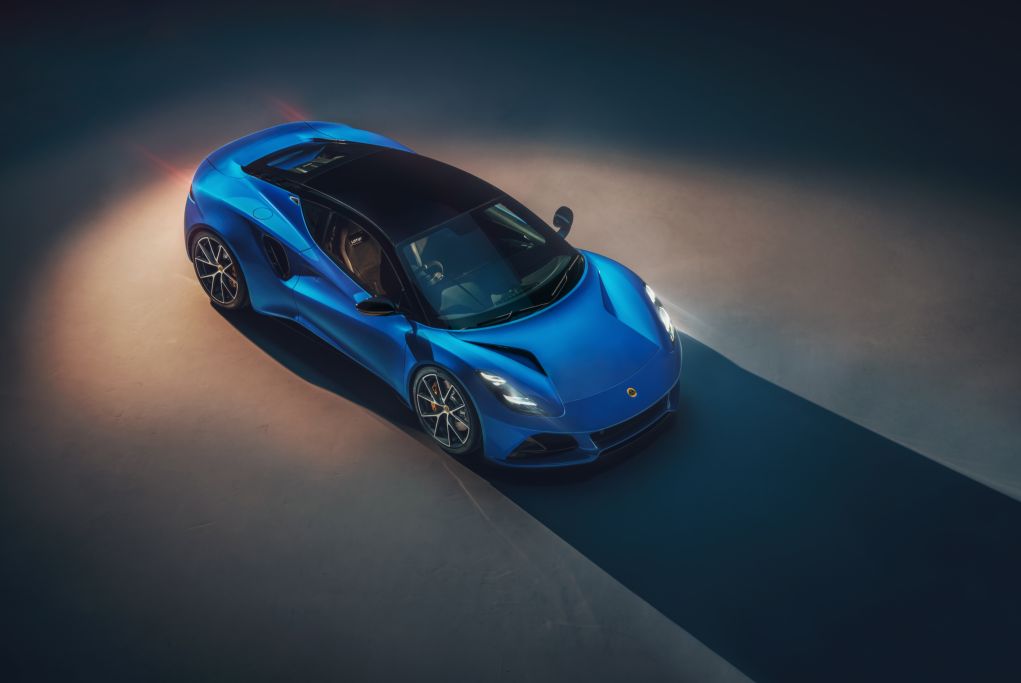
In a world where sports cars increasingly prioritize safety and uniformity, the Emira is more than a direct rival to the Porsche 718. It’s a continuation of the internal combustion sports car legacy, boldly reaffirming Lotus’s brand essence: “High performance is meaningful only when it evokes emotion!”
Uncompromising Performance and Emotion in the Electric Era
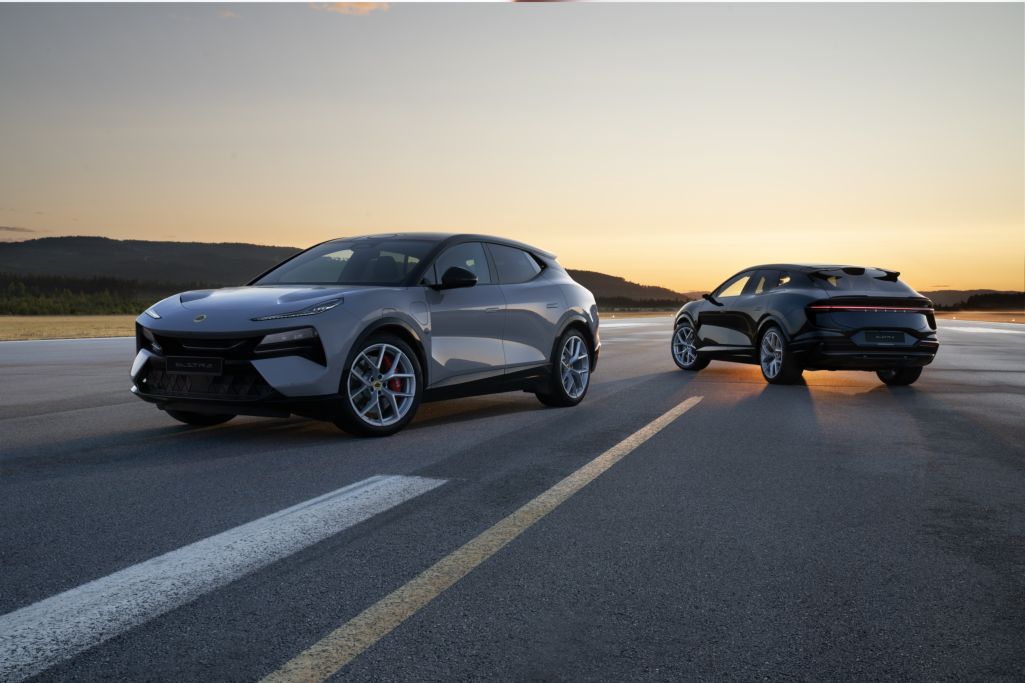
In the electric era, where EVs are often judged by range or charging speed, Lotus approaches electrification not to make vehicles more “tame” or “adequate,” but to enhance the driving experience. Building on the “For The Drivers” philosophy and the 2,000 bhp Evija hypercar, Lotus introduces strategic models like the Eletre and Emeya—where specifications serve to amplify excitement.
The Eletre is a hyper-SUV with over 600 hp in its standard version, accelerating from 0-100 km/h in just 4.5 seconds and reaching a top speed of 258 km/h. This performance surpasses the typical luxury electric SUV, such as the standard Porsche Macan EV, which offers over 400 hp, a 0-100 km/h time of 5.7 seconds, and a top speed of 220 km/h. Additionally, the Eletre’s 112 kWh battery (providing a WLTC range of up to 600 km) and high-power DC fast charging ensure seamless long-distance travel.
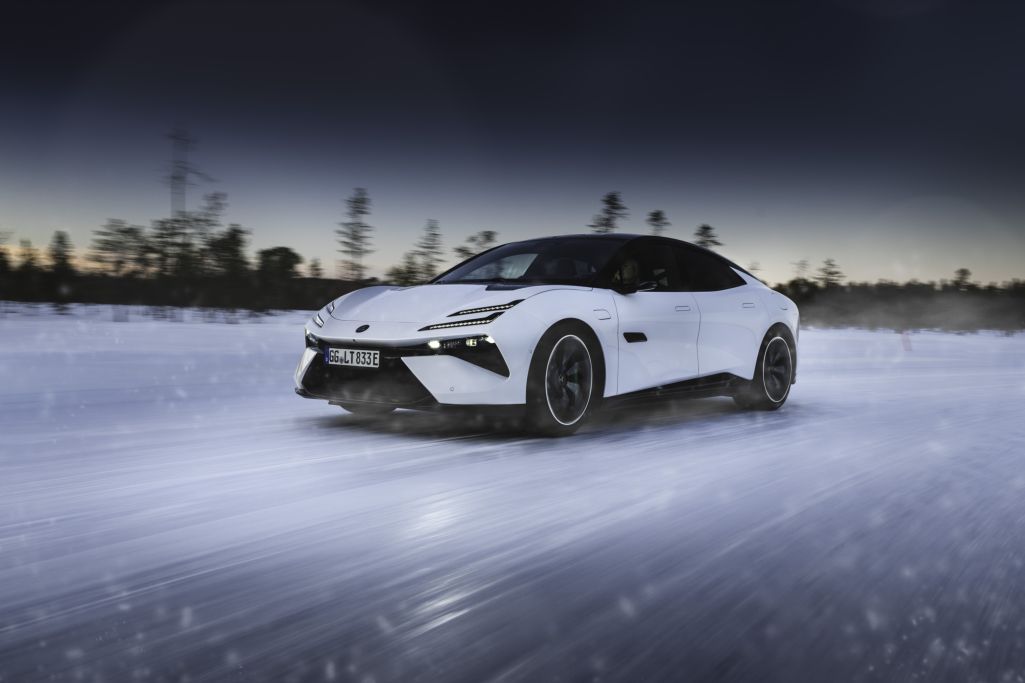
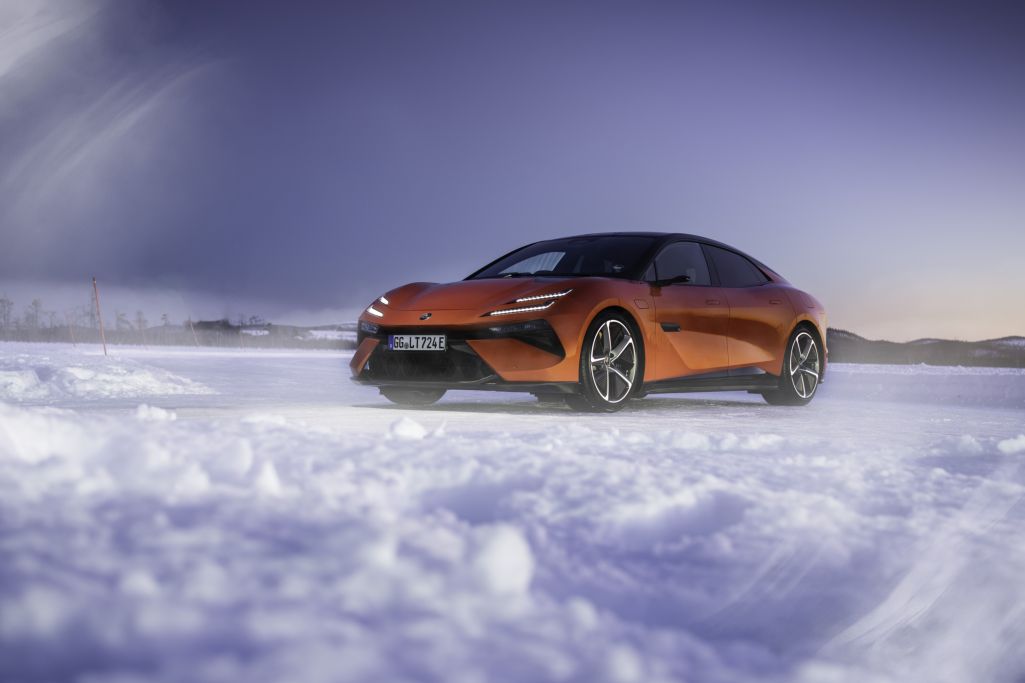
In the GT segment, the Emeya continues this spirit with over 600 hp and a 102 kWh battery (WLTC range of up to 610 km), accelerating from 0-100 km/h in 4.15 seconds and reaching a top speed of 250 km/h. These figures significantly outperform the standard Porsche Taycan, which delivers over 400 hp, a 0-100 km/h time of 4.8 seconds, and a top speed of 230 km/h.
This distinction highlights Lotus’s philosophy: electrification amplifies driving emotion rather than neutralizing it.
TH (Tuoitrethudo)
Nissan Z 2026 Unveiled: Reviving the Iconic “G-nose” Design on a Modern Platform

Nissan has officially unveiled the latest upgrade for its iconic Z sports car lineup, marking the first significant refinement since the RZ34 generation’s global debut in 2022.
One of the Final Porsche 718 Cayman Models Delivered in Vietnam
This is the owner’s third Porsche, and he invested an additional 40 million VND to auction a premium license plate featuring the sequence 718, complemented by the double-digit 99. This Porsche 718 Cayman boasts a striking Racing Yellow exterior paired with a sleek black interior.
Lotus and Zeekr Set to Enter Vietnam’s Market in 2026

At the Tasco Mobility Day 2025 event held on December 27th in Hanoi, Tasco Auto officially unveiled its ambitious plan to expand its product portfolio in the Vietnamese market for 2026.
U.S. Market Tightens: Nissan and Honda Join Forces

After shelving all past merger plans, Nissan and Honda are now exploring a more flexible collaboration model to strengthen their partnership.
The Top 10 Car Engines of 2025: 9 Out of 10 Are Electric

For over three decades, Wards Auto has annually unveiled its prestigious “10 Best Engines & Propulsion Systems” rankings, widely recognized as the gold standard in the global automotive industry.