





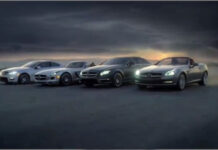






The three-pointed star brand has officially released its 2025 business report, revealing a year marked by volatility and challenges.
While direct competitor BMW recorded modest growth, Mercedes-Benz faced a global sales decline, attributed to the cooling electric vehicle market and weakened demand in key regions.
Specifically, the brand delivered 1,800,800 passenger cars last year, a 9% drop compared to 2024. Including vans, total sales reached 2,160,000 units, still lagging behind BMW’s 2.38 million. This decline was consistent across segments, from entry-level to luxury models, reflecting broader economic pressures on Mercedes-Benz’s diverse customer base.
The downturn was most pronounced in Asia, particularly China, where sales plummeted 19% to 551,900 units. North America also saw a 12% decline. In contrast, emerging markets like South America, Turkey, and the Gulf region emerged as bright spots, collectively growing by 17%.
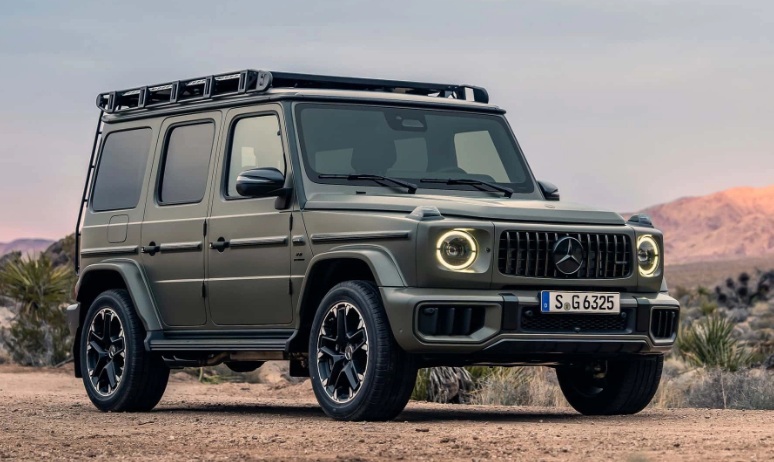
Despite overall struggles, Mercedes-Benz found success in niche segments. Its high-performance AMG brand achieved one of its best years ever, selling 145,000 units—a 7% increase. This highlights sustained demand among affluent buyers for premium, powerful vehicles. Additionally, the iconic G-Class set a new record with nearly 50,000 units sold, surging 23% year-over-year.
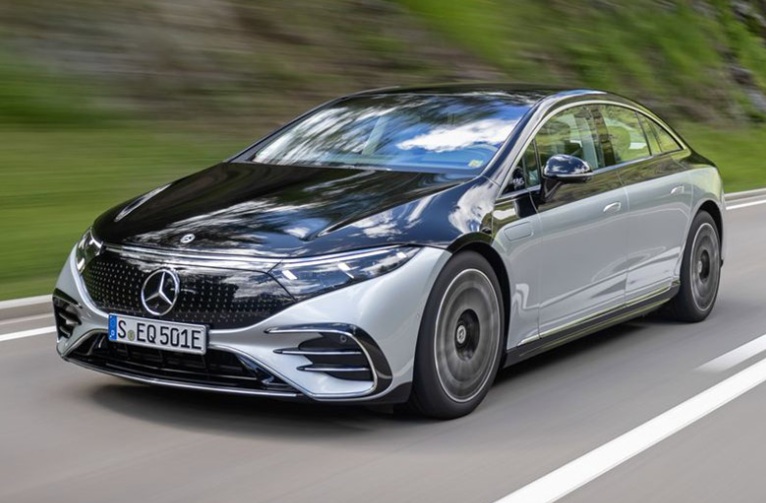
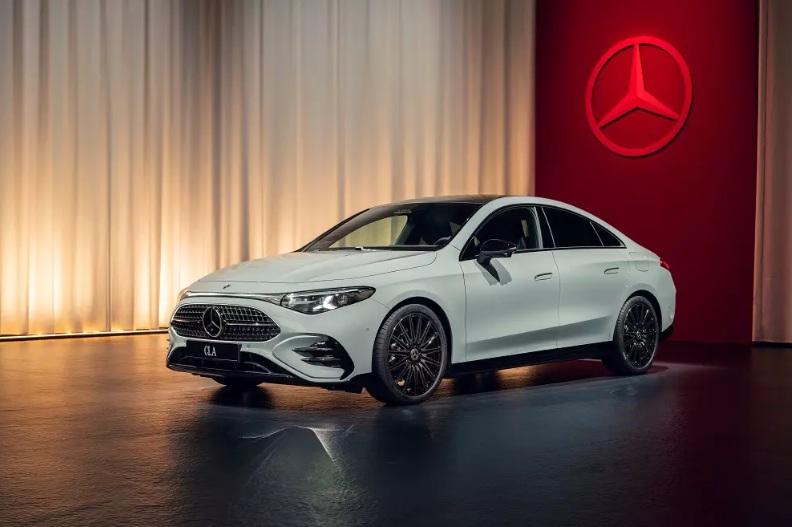
In the electric vehicle race, Mercedes-Benz is striving to regain momentum. Pure electric vehicle (BEV) sales fell 9% in 2025, reaching less than half of BMW’s figures. However, the launch of the new electric CLA boosted Q4 sales by 18%, offering hope for a stronger 2026. Anticipation is high for the upcoming all-electric GT 4-Door, inspired by the AMG GT XX concept.
Overall, 2025 tested Mercedes-Benz’s ability to balance tradition with digital-age innovation. While challenges persist in major markets, the enduring appeal of icons like AMG and the G-Class provides a solid foundation for a brighter recovery in the next business cycle.
TH (Tuoitrethudo)
Mercedes Unleashes 2026 Counterattack: S-Class Transformed, Iconic G-Class Convertible Returns
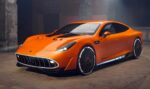
After a challenging 2025 marked by a 9% sales decline, Mercedes-Benz is poised for the most ambitious comeback in the brand’s history.
Skoda Unveils Official Name for Its Flagship Electric SUV

Recently, Skoda officially unveiled the name of its all-new, fully electric 7-seater flagship model: Peaq.
Luxurious Mercedes-Benz Models Offered with Massive Discounts of Tens of Millions of Dong in the First Two Months of the Year
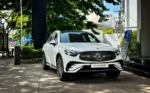
Experience unparalleled savings on a wide range of Mercedes-Benz flagship models, including sleek sedans, versatile SUVs, and cutting-edge electric vehicles, with our exclusive promotional program.
Luxury Mercedes-Benz Models Discontinued in Vietnam Due to Underwhelming Sales
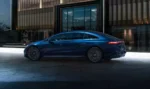
The Mercedes-Benz EQS fell short of expectations, prompting its successor to embody the essence of the S-Class while integrating cutting-edge technology beneath its sleek exterior.
BYD Overtakes Tesla as the World’s Best-Selling Electric Vehicle Brand in 2025

The global electric vehicle market has reached a pivotal moment as Tesla’s 2025 business report reveals a significant decline in key performance metrics.