


























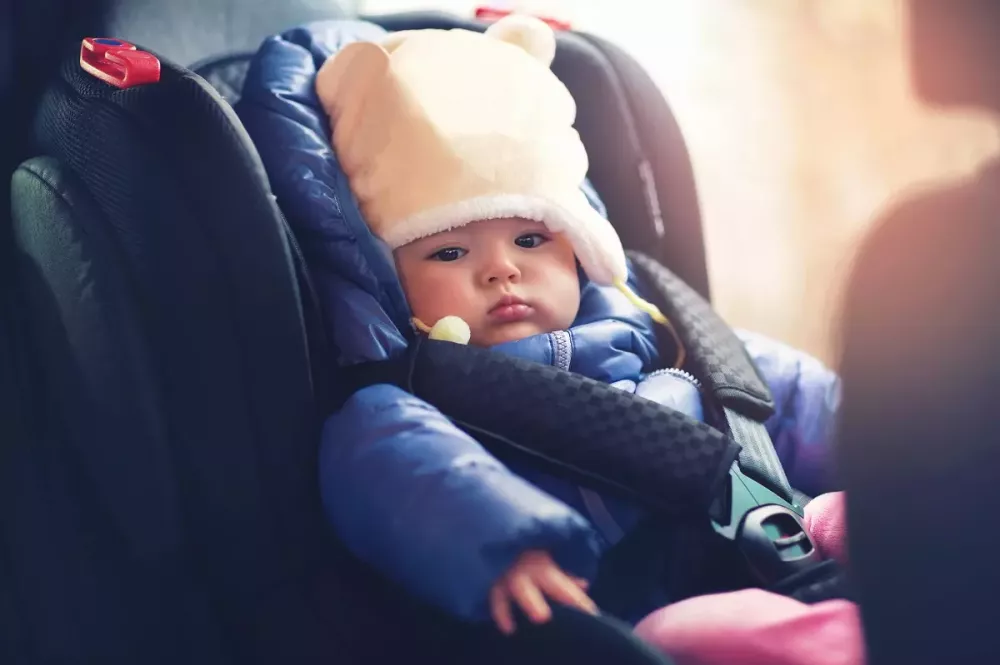
Many parents, fearing their children might catch a cold, often bundle them up in thick winter coats when sitting inside a car. However, experts from Consumer Reports strongly advise against this practice.
The reason is straightforward: bulky coats and child car seats are a dangerous combination. As a general rule, children should not wear thick winter coats under their car seat harnesses. The bulky layers can cause the straps to loosen, compromising their effectiveness in a crash.
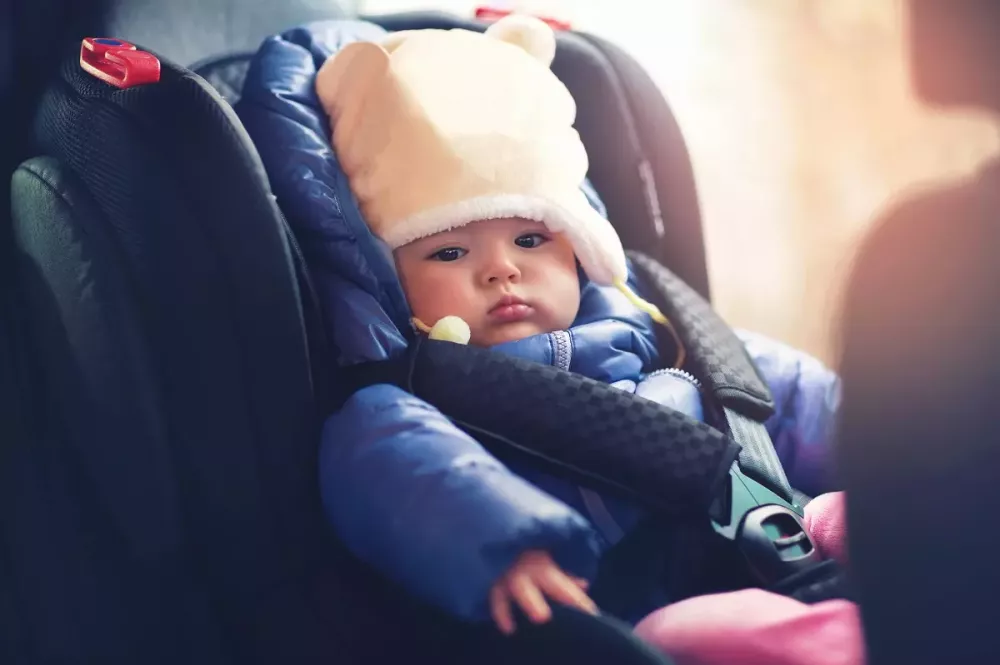
“If a child’s coat is too thick or puffy under the harness, it can create a gap between the child’s body and the straps,” says Emily A. Thomas, Ph.D., and Car Safety Manager at Consumer Reports’ Auto Test Center. “In a crash, this gap can cause the child to be ejected from the protective shell of the car seat. Anytime a child is not snugly secured in their seat, the risk of injury increases.”
How to Tell If Your Child’s Coat Is Safe for the Car Seat
The thick padding in puffy jackets or ski gear offers no benefit in a crash. Instead, the bulkiness can create too much space between the child’s chest and the safety harness.
If you can’t tighten the harness snugly against your child’s body, the coat is too thick for the car seat. Even thinner puffy jackets can affect the harness’s fit.
“You should not be able to pinch any of the strap material between your fingers at the child’s shoulders,” advises Thomas. “I also check to ensure the clothing isn’t bunched up under the harness, creating a gap between the child and the safety straps.”
For a quick test to determine if your child’s coat is too bulky, follow these steps:
Step 1: Dress your child in the coat, place them in the car seat, and buckle the harness. Tighten it until you can’t pinch any strap material between your thumb and forefinger.
Step 2: Without loosening the harness, unbuckle and remove your child from the seat. Take off the coat, then place your child back in the seat and buckle the harness at the same tightness as before.
If you can now pinch the strap material between your thumb and forefinger, Thomas says the coat is too bulky and should not be worn under the harness.
Safe Ways to Keep Your Child Warm in the Car
Here are parent-tested and Consumer Reports expert-approved tips to keep your child both warm and safe during winter car rides.
For Infants
Keeping infants warm in winter requires extra effort, from mittens and hats to blankets and layered clothing. After securing your infant in the car seat, you can add a blanket over them or use a car seat cover, bunting bag, or canopy specifically designed and tested for your child’s car seat model.
If purchasing additional covers, choose products approved by the car seat manufacturer for your specific seat model. “These accessories have been tested with the car seat and will not compromise your child’s safety,” notes Thomas.
Warm sleepwear is a convenient option for infants, especially footed pajamas that can be folded over. Ensure no fabric bunches up, interfering with the harness buckle.
For Toddlers and Older Children
“Backwards dressing” is a classic parenting hack. “After securing your child in the car seat, slip the coat on backward, with the child’s arms through the sleeves, so the back of the coat acts like a blanket over the harness,” suggests Thomas.
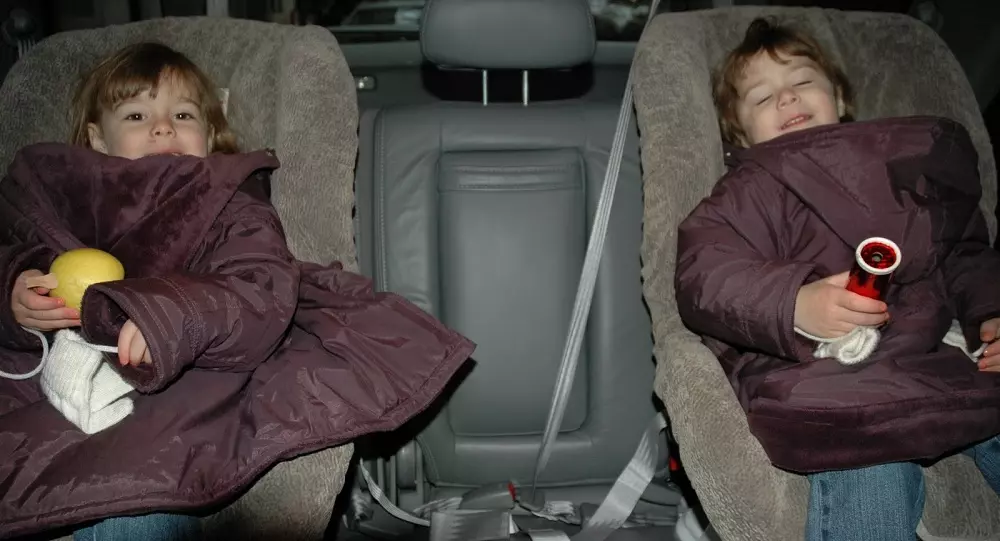
Backwards dressing is a popular tip among parents.
Alternatively, dress your child in thin layers, such as a thermal base layer, a t-shirt, and a fleece jacket. Or opt for a fleece jacket with a zipper, warm enough but not too bulky, allowing the harness to fit snugly against your child’s body.
Keeping your child warm is essential, but doing it safely is paramount, especially in the car.