












In a seismic shift for Southeast Asia’s automotive industry, Suzuki has agreed to sell its Thai manufacturing plant to rival Ford. The withdrawal of the Japanese compact car specialist underscores the mounting pressure on traditional manufacturers as Chinese brands aggressively seize market share.
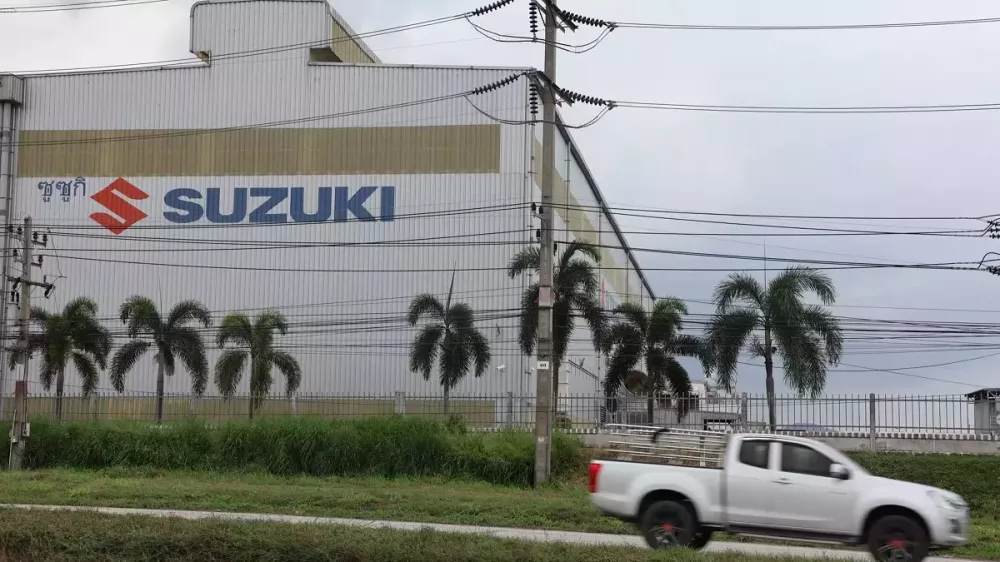
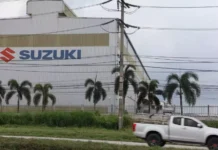
According to Nikkei Asia, Suzuki and Ford have finalized the deal for the plant located in Rayong province, Thailand. The transaction value remains undisclosed, with land and asset transfers expected to complete within months.
Suzuki’s exit from Thai car production marks the end of a journey that began in 2012. The company initially invested approximately ¥20 billion (USD 128 million) to build a facility with a designed capacity of 80,000 vehicles annually. At its peak, the plant produced nearly 60,000 units per year, notably the popular Suzuki Swift compact hatchback.
However, data from research firm MarkLines reveals a sharp decline in recent years. The plant’s 2024 output plummeted to just 4,400 vehicles. A Suzuki spokesperson told Nikkei Asia that the decision stems from compact cars failing to meet market penetration expectations, compounded by the strong Thai Baht and other economic factors.
Suzuki ceased all domestic production in Thailand by late 2025. Subaru previously made a similar move, opting to import vehicles from Japan.
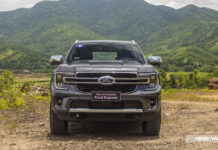
For Ford, the acquisition significantly expands its presence in the “Detroit of Asia.” The American automaker already produces key models like the Ranger and Everest at a plant adjacent to Suzuki’s facility.
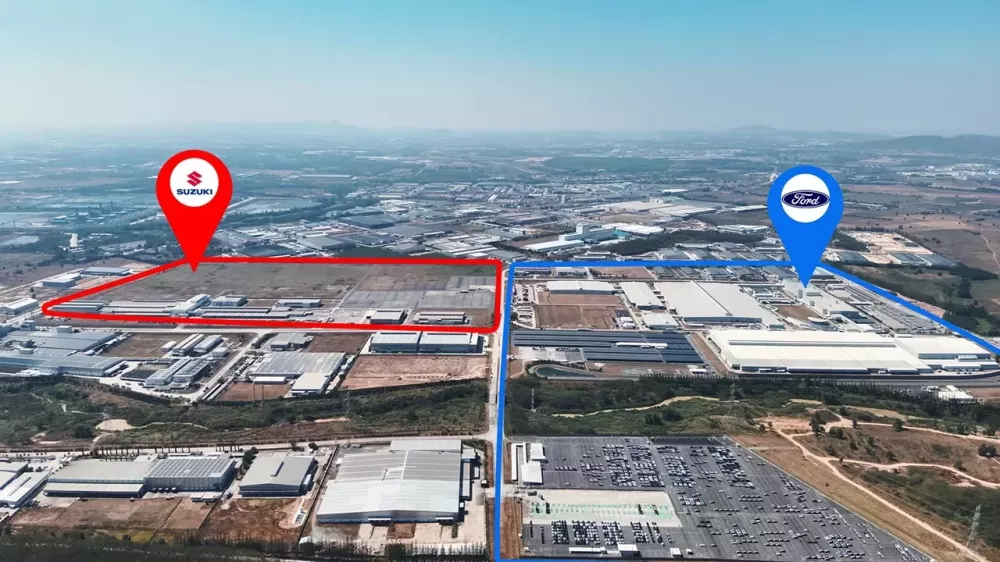
The Suzuki and Ford plants are located side by side.
Taking over Suzuki’s 163-hectare site adds 65,000 m² of factory space to Ford’s operations. A Ford representative stated that this move reinforces the company’s long-term commitment to Thailand as a strategic export hub for ASEAN. Over three decades, Ford has invested over 133 billion Baht (USD 3.9 billion) in the country.
“We’re proud of our team’s capabilities and the world-class vehicles produced here. This acquisition will significantly enhance our production capacity and flexibility, enabling us to better serve customers domestically and across the region,” said Andre Cavallaro, Chief Operating Officer of Ford’s International Markets Group.
Ford Negotiates Battery Purchase from BYD to Pivot Towards Hybrid Vehicles
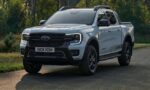
Ford Motor Company is engaged in strategic negotiations with Chinese electric vehicle giant BYD to secure a stable supply of batteries for its hybrid vehicle lineup during this pivotal transition phase.
Geely Aims to Rank Among the World’s Top 5 Automakers by 2030
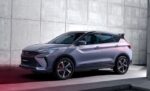
Geely Holding Group has unveiled an ambitious roadmap, setting a bold target of 6.5 million vehicle sales by 2030.
Top-Selling Car Models in Vietnam After 11 Months

With just one month left until the end of 2025, the sales race across various automotive segments has all but reached its thrilling conclusion.
Toyota Honored with First-Class Labor Order
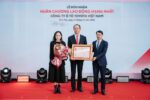
Toyota Motor Vietnam (TMV) proudly hosted a ceremony to receive the First-Class Labor Order at its manufacturing plant in Phu Tho Province.
Global Electric Vehicle Market 2025: China Dominates, Tesla Stands Alone as the Undisputed Leader

In the first 10 months of 2025, electric vehicles accounted for nearly a quarter of all new car sales globally, solidifying their rapidly growing dominance in the automotive market.