















The 2026 Global 500 report by Brand Finance underscores Toyota’s dominance in the global automotive industry.
With a brand value reaching $62.7 billion, the Japanese automaker not only climbed to the 15th position globally but also stands as the sole representative of Japan among the top 20 brands. Notably, Toyota earned an AAA+ rating, boasting a Brand Strength Index of 92.5/100—the highest tier, reflecting its resilience amidst supply chain disruptions and intense electrification pressures.
Record-Breaking Sales Outpacing Competitors
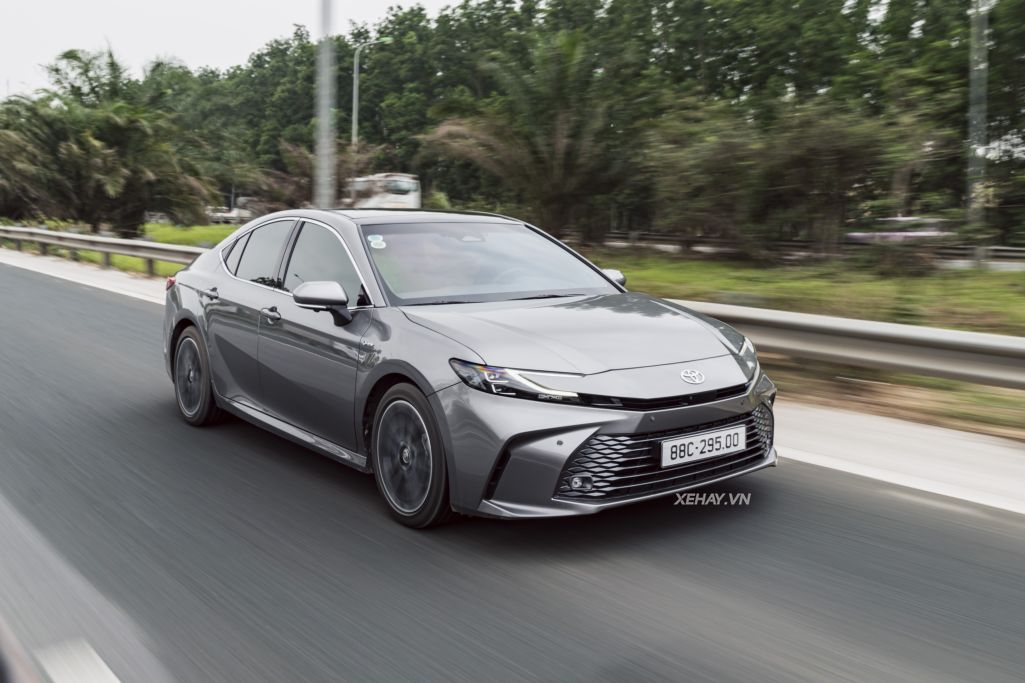
Beyond its brand value, Toyota’s market leadership is cemented by its impressive sales figures. From January to November 2025, the company sold over 10.3 million vehicles worldwide, solidifying its position as the world’s best-selling automaker. This performance significantly surpasses Volkswagen Group’s 2025 total of 8.98 million units, highlighting consumer trust in Toyota’s blend of tradition and innovation.
A Multi-Pronged Strategy for a Sustainable Future
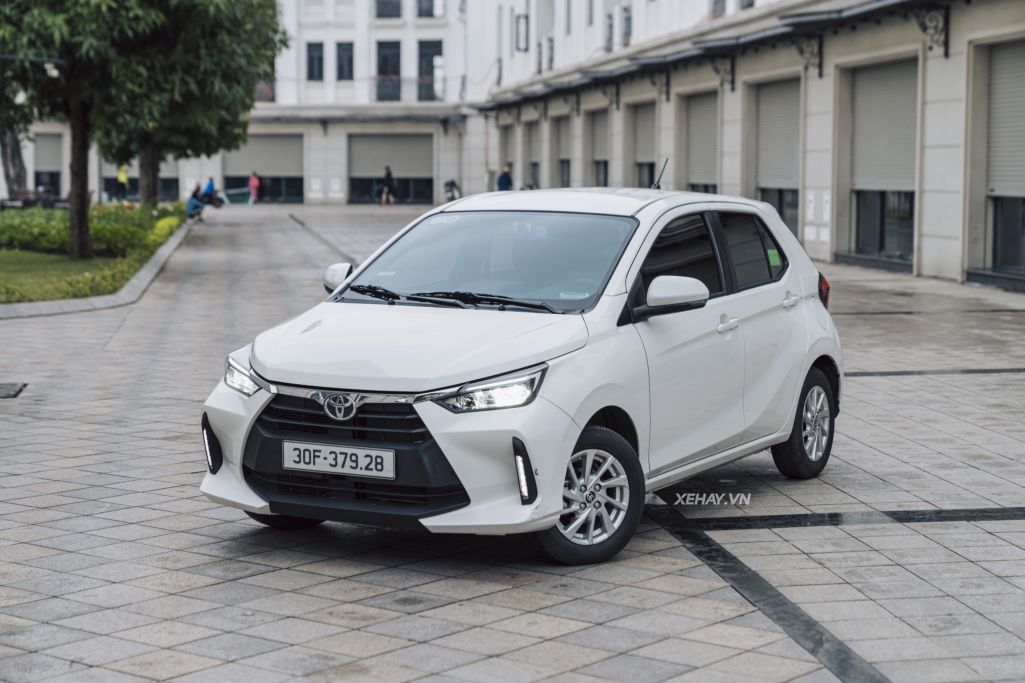
Unlike rivals focusing solely on battery electric vehicles (BEVs), Toyota pursues a diversified approach, treating Hybrid, Plug-in Hybrid, and Hydrogen technologies as parallel paths. Chairman Akio Toyoda emphasizes that offering multiple options caters to diverse global customer needs while effectively reducing emissions without overburdening infrastructure. Toyota views hybrids and fuel cell technology not as outdated but as essential components in its CO₂ reduction strategy. To date, Toyota and Lexus have sold over 27 million electrified vehicles, with hybrids playing a pivotal role in making fuel-efficient technology accessible to mainstream and emerging markets.
In the near term, Toyota will accelerate hybrid sales while expanding its PHEV lineup as a key tool for emission reduction. Advances in battery technology position PHEVs as “practical electric vehicles,” targeting over 200 km of all-electric range to meet daily driving needs.
Meanwhile, Toyota remains committed to BEVs, allocating approximately $70 billion by 2030 for electrification, with nearly half dedicated to pure electric models. However, the company views hydrogen as a critical decarbonization solution for segments like commercial trucks and buses, where battery limitations persist. Toyota is even experimenting with hydrogen combustion engines in motorsports, exemplified by the hydrogen-powered Corolla, to preserve driving emotion and sports car identity.
Localizing Hybrid Technology in Vietnam
TH (Tuoitrethudo)
Toyota Teases New Model: Three-Row Electric SUV or the Return of a Legend?

Toyota has just unveiled a teaser image of an entirely new vehicle set to debut next month, sparking intense speculation and excitement among automotive enthusiasts.
Suzuki Halts Car Production in Thailand, Sells Plant to Ford

This deal signifies a major shift in ASEAN’s automotive manufacturing hub, as Japanese carmakers face increasing pressure from the rapidly expanding wave of Chinese electric vehicles.
Toyota Retains Title as World’s Most Valuable Automotive Brand in 2026
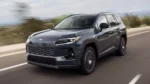
Toyota maintains its leading position despite a modest 3% decline in brand value, now standing at $62.7 billion.
Geely Aims to Rank Among the World’s Top 5 Automakers by 2030
Geely Holding Group has unveiled an ambitious roadmap, setting a bold target of 6.5 million vehicle sales by 2030.
Toyota Unveils Exclusive Tax and Warranty Offers as a Token of Gratitude After Record-Breaking December Sales
Toyota is kicking off 2026 with a bang, offering irresistible registration fee discounts throughout January and extending warranties up to 10 years. This bold move solidifies their position as Vietnam’s best-selling foreign car brand, providing customers with unparalleled peace of mind for years to come.