














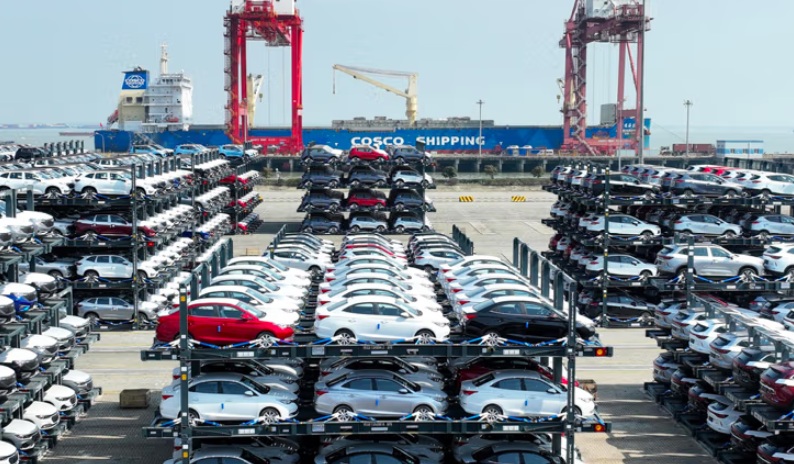
While Indonesia and Thailand still lead in volume, China has officially become the largest exporter of automobiles to Vietnam in terms of value.
According to statistics from the General Department of Customs, in 2025, Vietnam imported a total of 205,630 vehicles, with a value of approximately USD 4.7 billion. Compared to 2024, the number of imported vehicles increased by 18.6%, while the value surged by 31.1%, reflecting a growing trend toward higher-value vehicles.
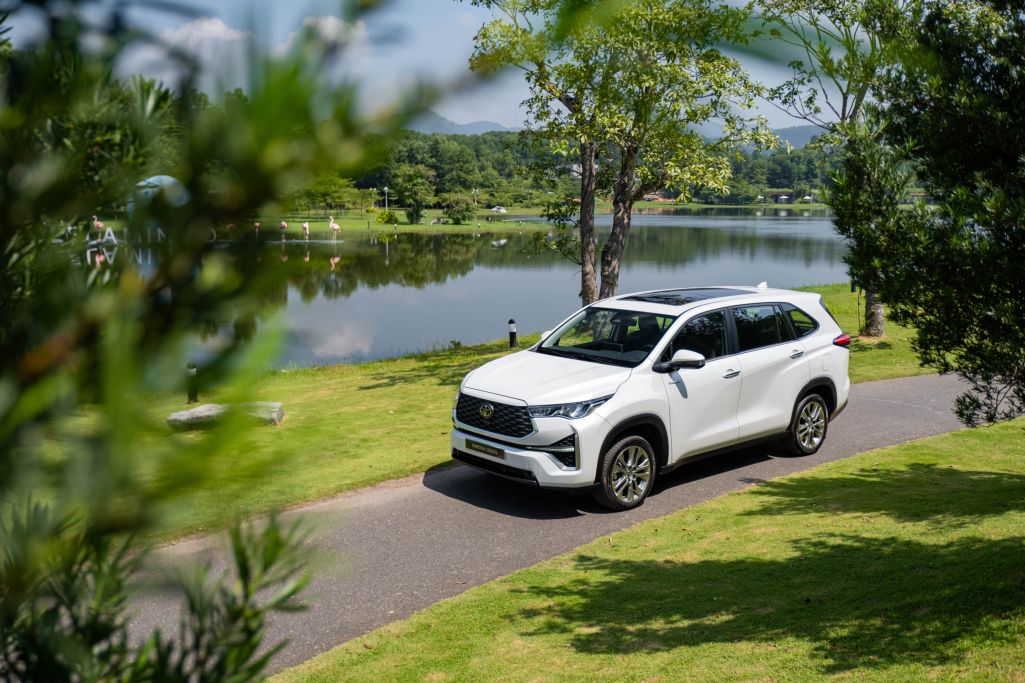
The primary driver of this growth is the passenger car segment with fewer than nine seats. This category accounted for 152,854 vehicles, representing over 74% of total imports in the year, highlighting that personal and family vehicles remain the cornerstone of Vietnam’s automotive market.
In terms of origin, the market is dominated by three major partners: Indonesia, Thailand, and China. Indonesia currently leads in volume with 78,156 vehicles, valued at approximately USD 1.1 billion. Thailand closely follows with 66,109 vehicles but achieves a higher value of around USD 1.3 billion. The key advantage for these two ASEAN nations is the 0% import tax under the ATIGA agreement. Leveraging this tariff benefit and a robust supporting industry, manufacturers here have supplied a range of MPVs and compact SUVs that align with Vietnamese consumer preferences and budgets.
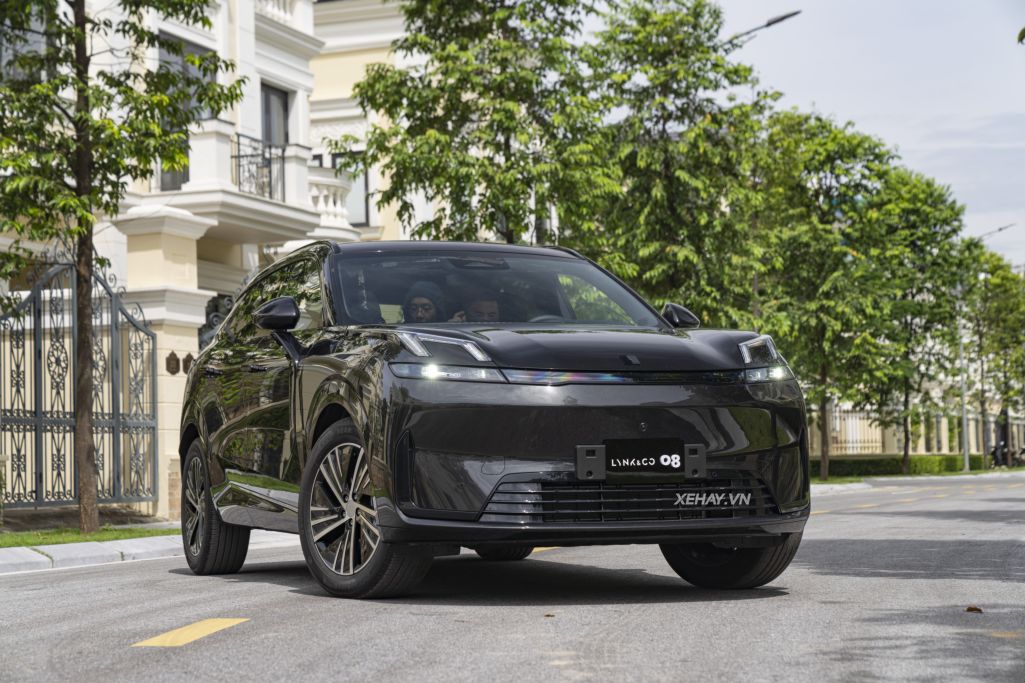
The most significant highlight of the 2025 import landscape is China. Despite ranking third in volume with 47,895 vehicles, the market recorded a remarkable growth rate of 54.5% in quantity and 76% in value compared to 2024. With a value of USD 1.6 billion, China has surpassed Indonesia and Thailand to become the largest exporter of automobiles to Vietnam in terms of value.
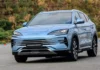
The surge in Chinese vehicles is closely tied to the growing consumer demand for green and modern technology. Emerging brands like BYD, Geely, Lynk & Co, and Omoda & Jaecoo have entered the market with a diverse product portfolio, ranging from pure electric to hybrid vehicles. Models such as the BYD Han, Sealion 6, and Lynk & Co 06 are directly challenging traditional competitors with their robust configurations and competitive pricing, ranging from VND 600 million to 1 billion.
The 2025 automobile import landscape not only reflects growth in scale but also indicates a significant shift in supply sources. The increasing presence of vehicles from Indonesia, Thailand, and particularly China is creating a more diverse market in terms of choice and technology, while posing considerable challenges for domestic automobile manufacturing and assembly in the coming period.
TH (Tuoitrethudo)
The Golden Geese: Vietnam’s Top-Performing Car Models in 2025
In the Vietnamese automotive market of 2025, the majority of mainstream brands’ sales stem from a select few strategic models. These vehicles serve as the “cash cows,” not only sustaining market share but also shaping brand perception in the eyes of consumers.
Spending Spree: Vietnam’s Auto Import Bill Hits $12 Million a Day Since January
The Vietnamese automobile market witnessed a significant surge in imported cars over a four-month period, with approximately 65,000 completely built-up units entering the country. This substantial influx of vehicles contributed to a remarkable total import turnover of over $1.4 billion, showcasing a thriving automotive industry in Vietnam.
The Electric Vehicle Revolution in Vietnam: Is the Market Ripe for a Boom in 2025?
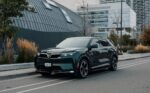
The automotive industry in Vietnam is undergoing a significant transformation in 2025, with electric vehicles (EVs) taking center stage. No longer a distant future concept, EVs are now an integral part of the consumer landscape and are shaping the market dynamics.
The Rise of Imported Cars in Vietnam
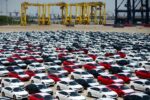
In the latest report, a significant surge has been observed in the number of imported automobiles in Vietnam.
The Ultimate Guide to 3 Luxury Electric Vehicles: Exclusivity at its Finest
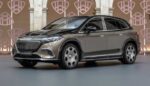
Electric vehicles are experiencing a surge in popularity in Vietnam in recent years. However, the luxury electric vehicle market in the country is still dominated by German automakers such as Mercedes-Benz, BMW, Audi, and Porsche.